By Scherling Properties
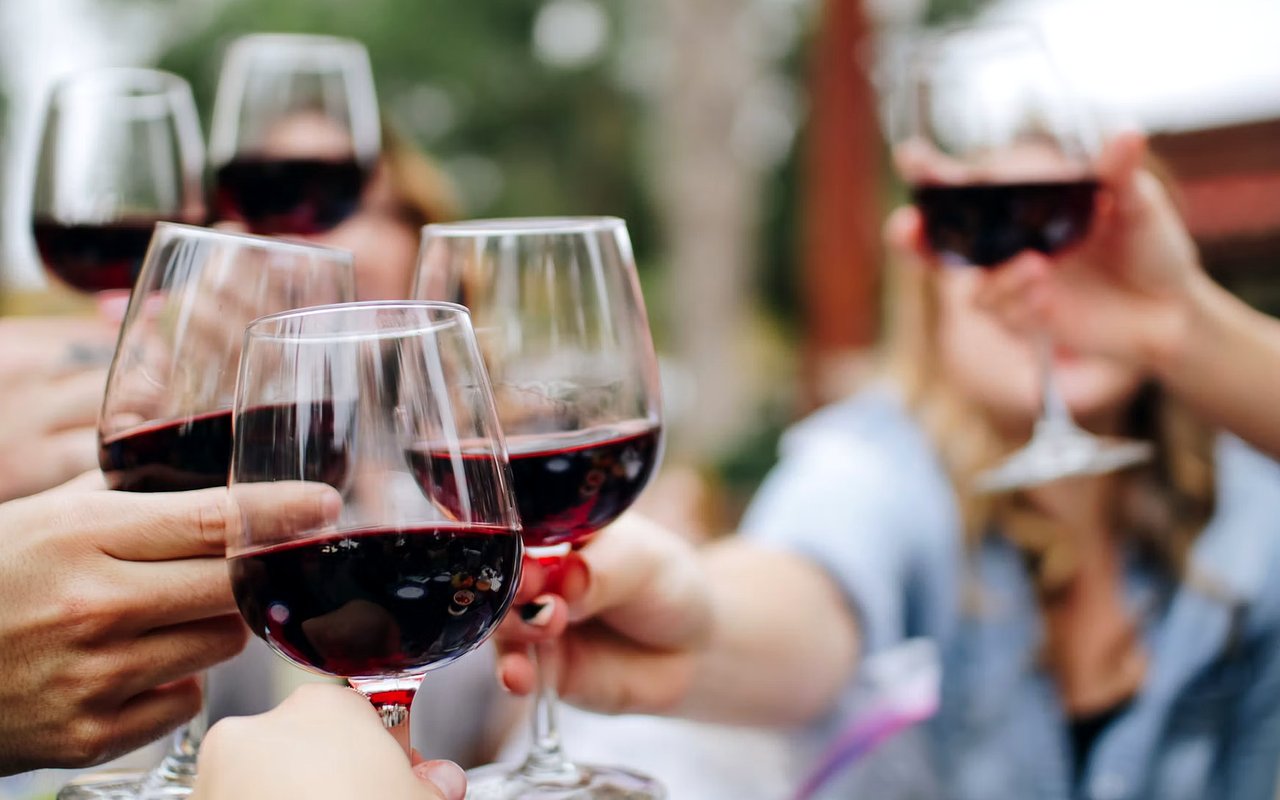
Sunny afternoons, cool evenings, and a walkable village of tasting rooms give this corner of Monterey County a character all its own. We live and work here, and we love sharing the places that make daily life in the valley special. Whether you are visiting for a weekend or thinking about a move, a wine afternoon is one of the best ways to understand the area.
Here is how we suggest approaching it.
Key Takeaways
- Appellation history: Carmel Valley became a federally recognized American Viticultural Area in 1983.
- Small scale: The appellation covers about 19,200 acres, with roughly 300 acres planted to vines.
- Bordeaux focus: Cabernet Sauvignon and Merlot together make up more than 70 percent of plantings, according to published sources.
- Village access: Many tasting rooms cluster within a walkable few blocks of Carmel Valley Village.
Understand the Appellation
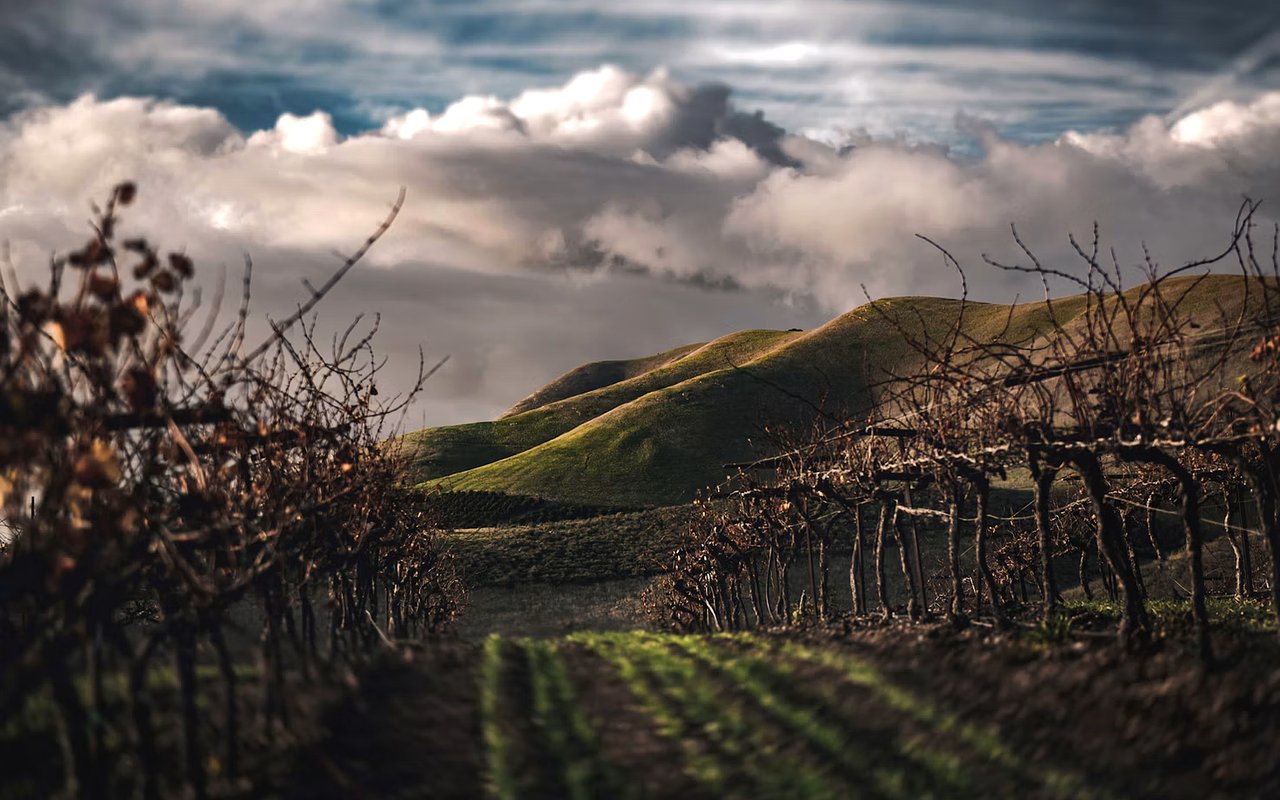
Carmel Valley is one of ten American Viticultural Areas in Monterey County, and it sits within the larger Central Coast region. Federal recognition came in 1983, following a petition by a local vineyard manager.
Know the Numbers
- Acreage: The appellation spans about 19,200 acres, yet only about 300 are planted, which keeps production modest.
- Elevation: Vineyards range from roughly 200 feet to more than 2,700 feet above sea level, and most sit around 1,000 feet or higher.
- Location: The valley lies roughly five miles inland from the Pacific, in the Santa Lucia Range.
Small production means many wines never leave the region. That is part of the reason a visit is worth the drive.
Learn What Shapes the Wines
The valley is known for warm, sunny days and cool nights, and vineyards above about 1,000 feet are less affected by coastal fog than sites to the north. Summer afternoons can reach into the 100s, while evenings can drop into the 40s.
Climate and Grapes
- Day and night swings: Large temperature changes help grapes ripen during warm afternoons while keeping natural acidity through cool nights.
- Bordeaux varieties: Cabernet Sauvignon leads the plantings, with Merlot as an important supporting grape.
- Other varieties: Growers also work with Chardonnay, Pinot Noir, Syrah, Zinfandel, and several others.
Soils are mostly sandy and gravelly loams, which drain well. Good drainage encourages vines to focus energy on fruit.
Explore Carmel Valley Village
The village is the heart of the local wine scene, and most tasting rooms sit within a walkable few blocks. One travel writer described the walkable radius as about three blocks, which makes it easy to visit several rooms in one afternoon.
Make the Most of the Village
- Walkable core: Park once and stroll between tasting rooms, shops, and cafés, so the day feels unhurried and easy.
- Weekend hours: Many rooms keep a Thursday-through-Sunday schedule, so plan around those days.
- Reservations: A call ahead helps secure a spot, especially on busy weekends and during harvest season.
Hours change, so confirm details before you head out. A quick call can save a wasted trip.
Meet a Few Familiar Names
Several producers appear repeatedly in published guides to the area. Bernardus is known for Bordeaux-style wines, including its Marinus blend, and Joullian and Talbott are noted for Chardonnay, with Talbott also known for Pinot Noir.
Wineries to Look Up
- Bernardus: The winery has been described as offering outdoor tastings and is also known for its nearby lodge and spa, a few miles from the village.
- Massa Estate: The organic, dry-farmed estate was formerly known as Heller Estate and Durney Vineyards, which adds local history to a visit.
- Folktale: The tasting room sits just outside the village on roughly 15 acres, about six miles from Highway 1.
Many other producers pour in the village as well. Visit a few different rooms to compare styles side by side.
Plan a Relaxed Visit
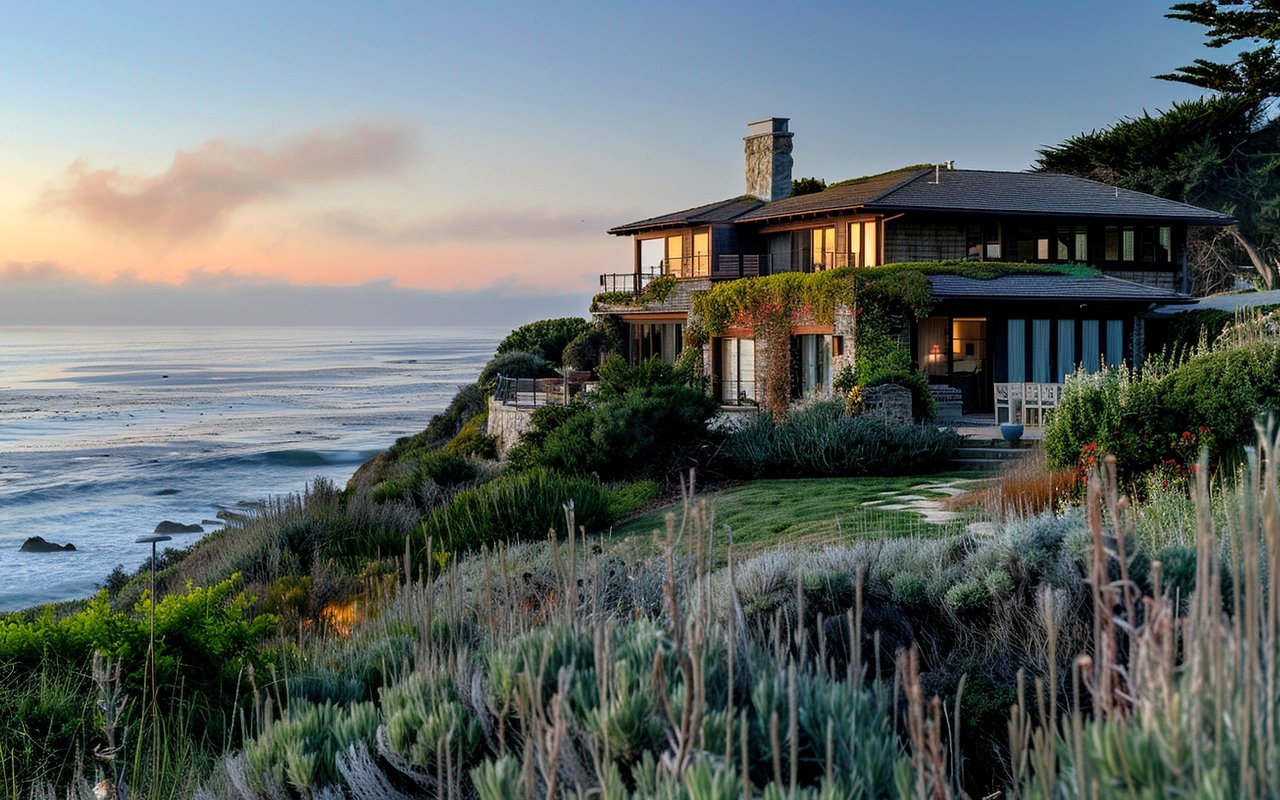
The village is about a fifteen-minute drive from Carmel-by-the-Sea, so it pairs easily with a coastal weekend. Published sources also mention a local bus route that stops at many tasting rooms, which can help a group avoid driving.
Build a Smooth Day
- Pace yourself: Visit two or three rooms and leave time for lunch between them, since a full stop to eat keeps the day balanced.
- Share the driving: Choose a designated driver, a ride service, or the local bus to keep the day relaxed and responsible for everyone.
- Ask questions: Staff at the tasting rooms love to talk about vineyards, vintages, and the people behind the wines.
A slow afternoon is the best way to enjoy the valley. Many visitors leave with a few bottles and a better sense of the community.
FAQs
What are the best wineries in Carmel Valley CA for a first visit?
Bernardus, Joullian, Talbott, Massa Estate, and Folktale appear often in published guides and make a good starting list. Confirm current hours and reservation policies before you go.
What grapes grow best in the valley?
Cabernet Sauvignon and Merlot dominate plantings, and Chardonnay, Pinot Noir, and Syrah also appear. The warm days and cool nights suit wide varieties.
Are tasting rooms open every day?
Many keep a Thursday-through-Sunday schedule, though hours vary by producer and season. Call ahead to confirm and ask whether reservations are needed.
Reach Out to Us at Scherling Properties
Reach out to us at
Scherling Properties to explore homes near the tasting rooms and vineyards of the valley.