By Scherling Properties
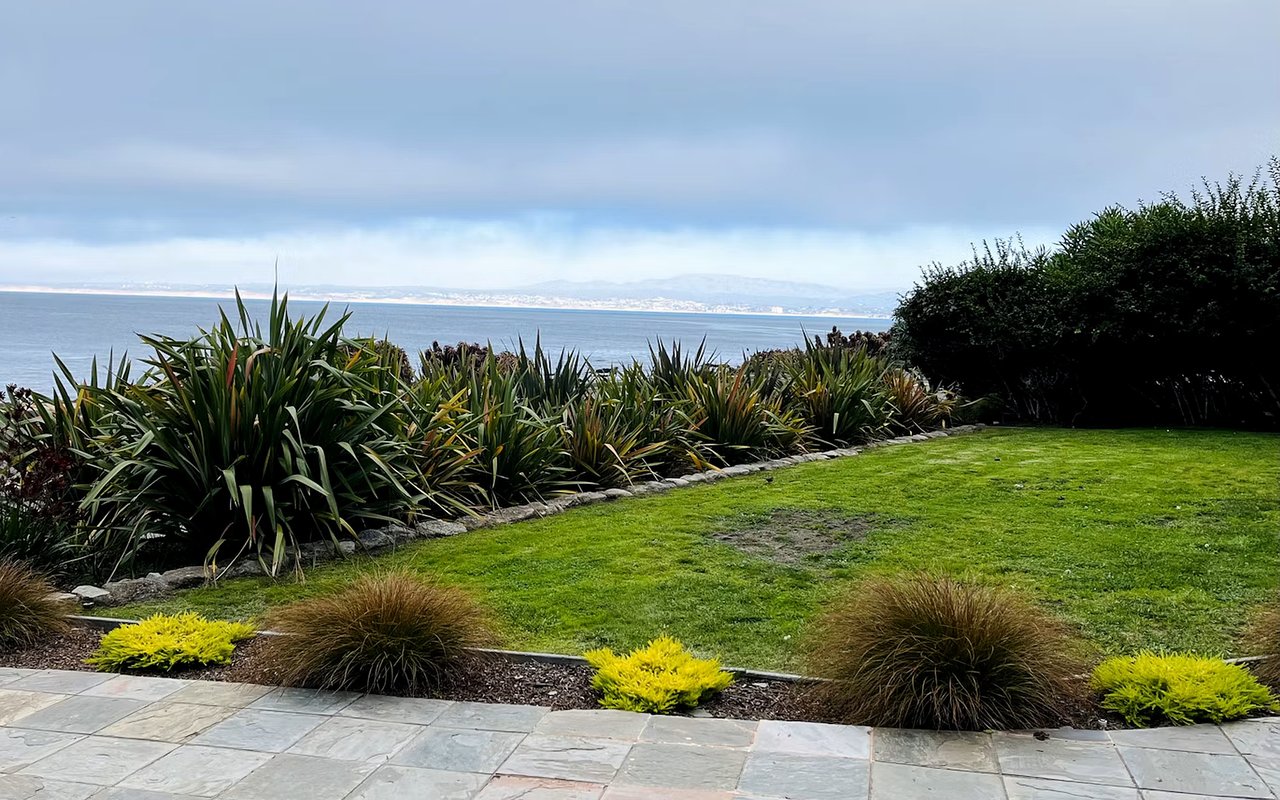
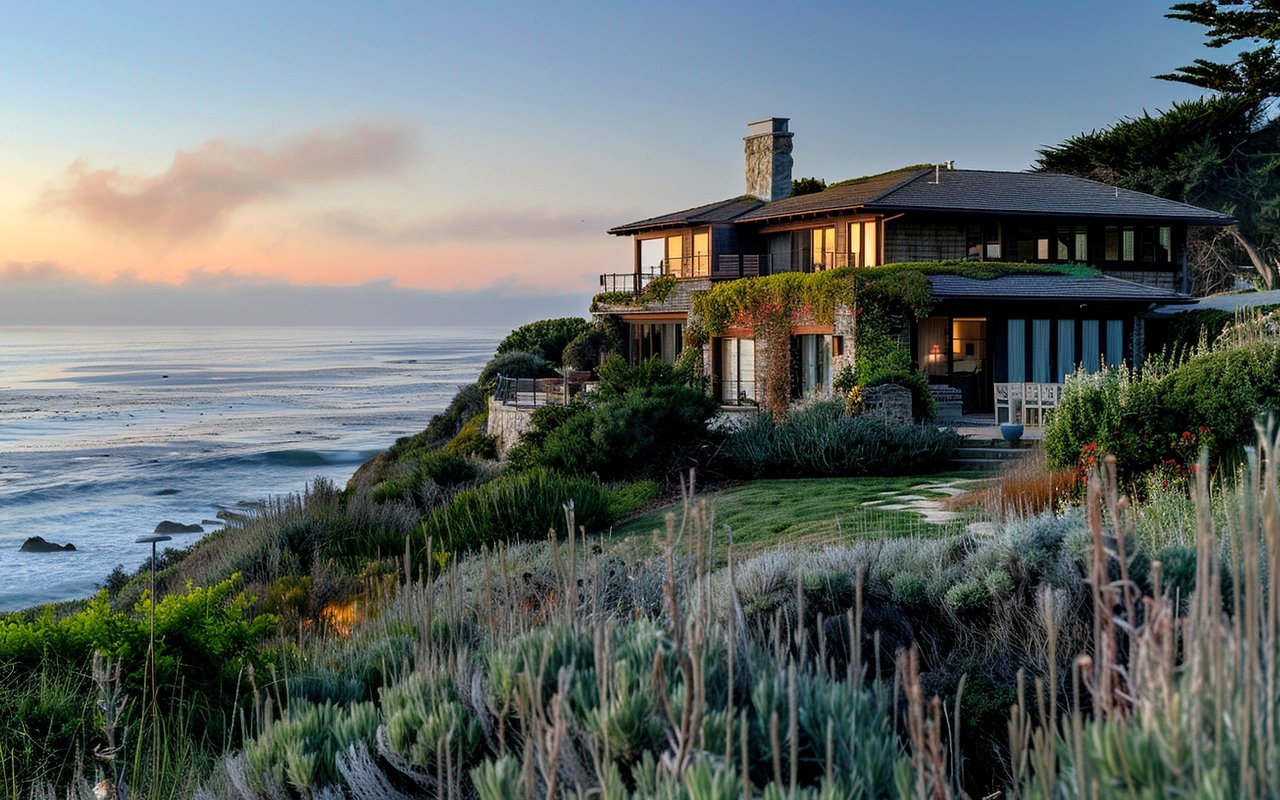
A garden on the Monterey Peninsula faces conditions that inland yards never see. Cool fog, steady westerly winds, and salt in the air all shape which plants thrive and which struggle. We spend our days with homeowners who love their coastal properties, and we see what makes outdoor spaces work. Here are the principles we share.
Key Takeaways
- Wind and fog: The peninsula has a cool Mediterranean climate with prevailing westerly winds, and summer fog is a main source of moisture for plants.
- Native plants: Plants adapted to the coast are a smart first choice for resilience and low upkeep.
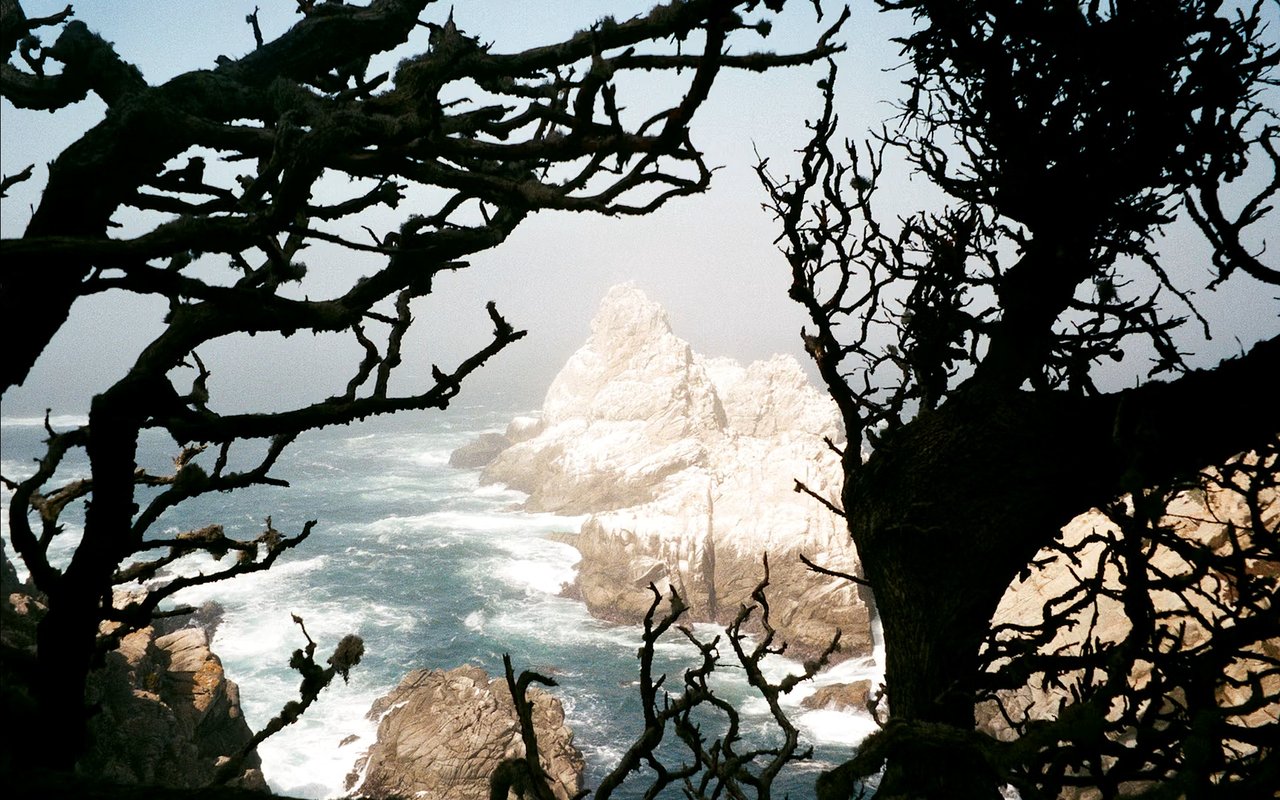
- Local trees: Monterey cypress shows how wind and salt can shape a tree into a coastal icon.
- Know the rules: Coastal development permits and local requirements may apply to landscape changes.
Coastal Conditions at a Glance
The Monterey Peninsula has a cool Mediterranean climate, with most rain falling from November through April. Westerly winds sweep in from the Pacific.
How Wind, Fog, and Salt Shape a Garden
Summer fog drip delivers moisture that many coastal plants depend on. Wind can dry foliage, bend branches, and shape growth over time.
- Salt air: Spray can burn tender leaves, so choose plants adapted to the coast.
- Wind exposure: Open yards feel different from sheltered courtyards, so plan each zone separately.
- Cool summers: Heat-loving plants may struggle where fog keeps temperatures mild.
Spend time in the yard at different hours before you plant. Notice where the wind hits hardest and where it calms. We often suggest keeping a simple journal of conditions for a month.
Plants That Belong Here
The California Native Plant Society recommends native plants as the first choice for landscaping. Species that evolved along the coast are already adapted to local soil, wind, and fog.
Lessons From the Coast’s Own Trees
The Monterey cypress is a powerful example, with canopies trimmed by the wind into sculptural shapes. The famous Lone Cypress along 17-Mile Drive is a salt-pruned tree that has become a community symbol.
- Native shrubs and groundcovers: Coastal species often need less water and less fuss.
- Regional guides: Local nurseries and native plant resources can suggest proven choices.
- Invasive groundcovers: Ice plant has become a problem in some coastal areas, so choose alternatives.
Ask local experts which plants thrive in your exact microclimate. Plant in fall or winter when rain helps roots settle. We can introduce you to trusted landscape professionals.
Windbreaks, Layout, and Hardscape
A good layout slows the wind without blocking the view. Placement of hedges, walls, and structures can create calm pockets for outdoor living.
How to Design for Comfort
Layered plantings soften gusts better than a single solid wall. Low walls and screens can shelter a patio while keeping sightlines open.
- Layered plantings: Mix trees, shrubs, and groundcovers to break up the wind.
- Sheltered seating: Place patios and fire features where walls and plants block the breeze.
- Durable materials: Choose hardware and finishes that hold up to salt air.
Think about how you want to use each part of the yard. A protected nook can extend your outdoor season. We love seeing how thoughtful design transforms a windy lot.
Water, Fire, and Maintenance
Water is a precious resource on the peninsula, so efficient irrigation matters. Mulch and thoughtful plant selection help keep moisture where it belongs.
How to Plan for Resilience
California’s wildfire history is a reminder to keep plantings tidy near the house. Clear dead material and space plants to reduce fuel.
- Efficient irrigation: Drip systems and timers reduce waste.
- Regular pruning: Remove dead growth and keep plants trimmed near structures.
- Seasonal care: Check plants after storms and heavy wind.
Ask your landscape professional about fire-wise practices for your area. Rules and recommendations can change, so confirm local guidance. We can point you toward people who know the peninsula well.
Permits and Local Rules
Many coastal projects require a coastal development permit, and local governments often issue them through their Local Coastal Programs. Projects that involve grading, structures, or tree removal may trigger added review.
Before You Start Digging
Check with your city or county about rules for your specific address. Properties near the shoreline or in protected habitat may face extra requirements.
- Coastal permits: Ask whether a permit applies to your project.
- Tree rules: Protected trees may need approval before removal or major pruning.
- Habitat concerns: Native forests can host protected species.
A short call to the planning office can save months of delay. Keep records of approvals for future owners. We are glad to share what we know about local processes.
FAQs
What works best for coastal landscaping California homeowners can maintain?
Native and coast-adapted plants, windbreaks that layer trees and shrubs, and efficient irrigation work well. Visit your yard at different times to learn its microclimate. We can connect you with local professionals.
Do I need a permit for landscaping near the coast?
Some projects do, especially those involving grading, structures, or tree removal. Contact your city or county before you start.
What should I avoid planting?
Avoid invasive groundcovers such as ice plant, and be cautious with tender plants that cannot handle salt spray and wind.
Contact Us at Scherling Properties
Call
Scherling Properties to explore homes with outdoor spaces you can make your own, and we will help you find the right fit on the peninsula.