By Scherling Properties
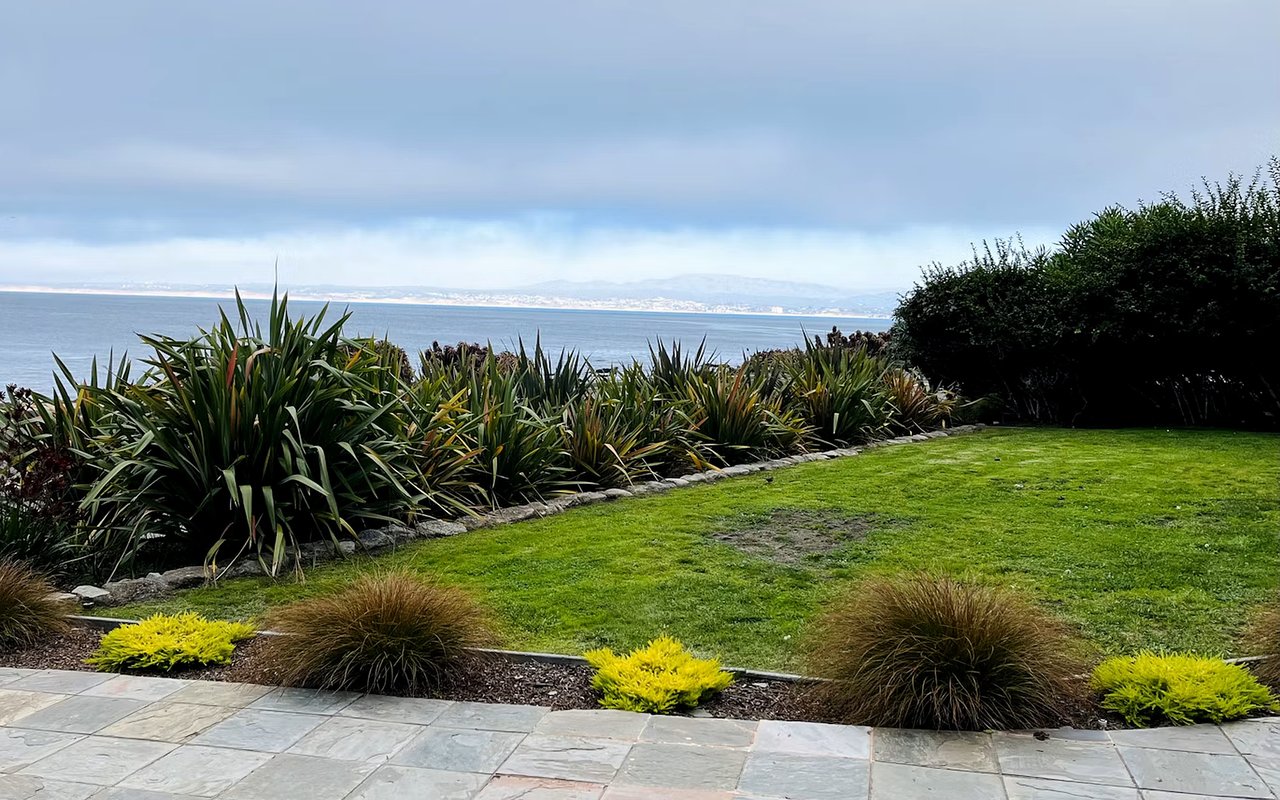
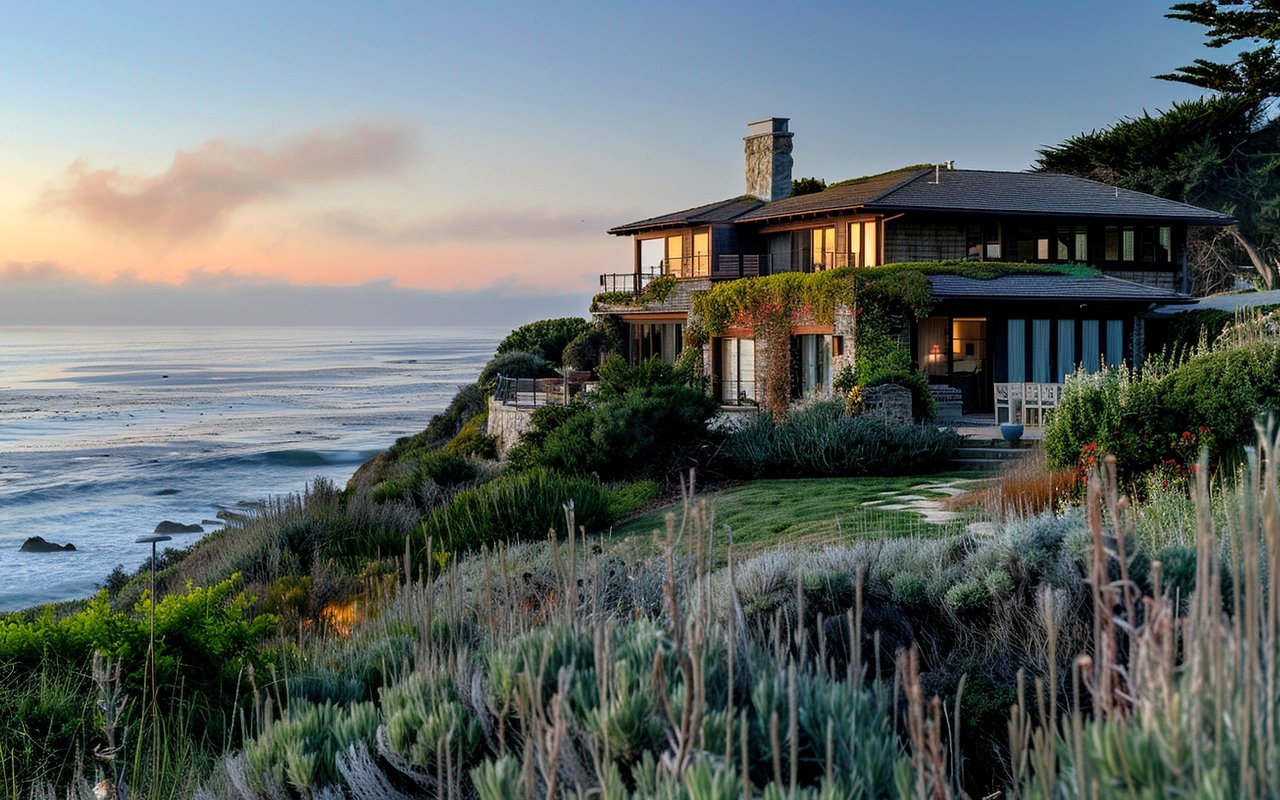
Few places on the California coast mix land and sea as dramatically as this reserve just south of Carmel-by-the-Sea. Many call it the crown jewel of the California State Park System. We live nearby, and we send friends and clients here whenever they visit. Here is what to know before you go.
Key Takeaways
- Easy to find: The entrance sits about three miles south of Carmel on Highway 1.
- Rare cypress: The reserve protects one of only two native groves of Monterey cypress in the world.
- Marine life: Kelp forests, sea otters, harbor seals, and sea stars call the waters home.
- Know the rules: Dogs, drones, and bicycles on trails are not allowed.
Where the Reserve Sits
The reserve lies just south of Carmel-by-the-Sea, at the north end of the Big Sur coast. The entrance is about three miles south of Carmel along Highway 1.
How to Plan Your Arrival
Day-use hours run from eight in the morning to five in the evening, with last entry at four thirty. The lot fills quickly, and cars parked along the highway shoulder are ticketed.
- Hours: Plan to arrive early, since the last entry comes before closing.
- Lot capacity: The lot fills fast, so a weekday morning is a smart choice.
- Vehicle limits: Vehicles longer than twenty-one feet may not enter.
The reserve draws roughly a million visitors a year. Early arrivals enjoy quieter trails and easier parking. Plan on a few hours so you can walk at an easy pace and stop often for photographs. We always suggest bringing layers, since coastal weather shifts quickly.
The Monterey Cypress Groves
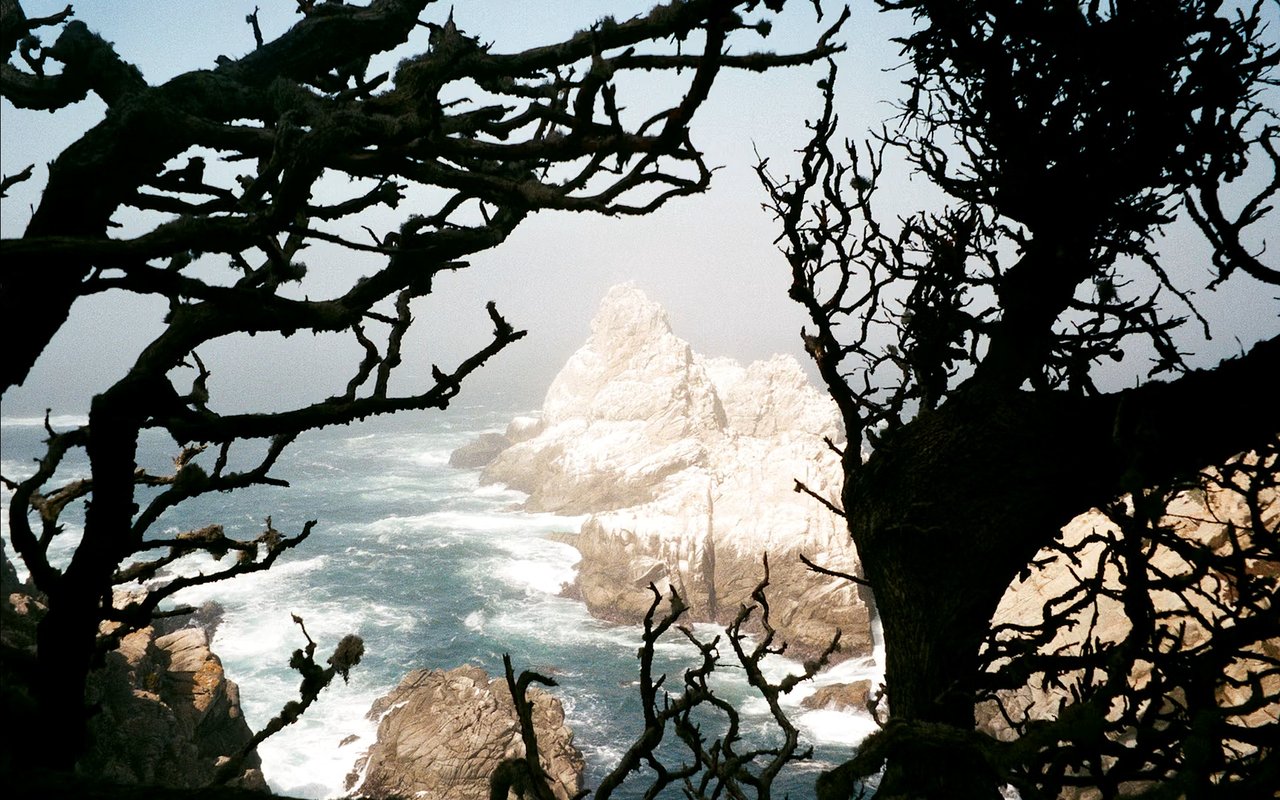
The reserve protects one of just two native groves of Monterey cypress, and the other grows nearby at Cypress Point. The trees have wind-trimmed canopies that give the headlands their sculptural look.
A Memorial Grove
The Allan Memorial Grove honors Alexander and Satie Allan, whose family donated about fifteen acres of cypress-covered headlands. Visitors can wander among trees shaped by decades of wind and salt.
- Native grove: Few places on Earth host naturally growing Monterey cypress.
- Sculpted shapes: Coastal wind gives each tree a unique form.
- Fragile habitat: Stay on marked trails to protect roots and soil.
The cypress groves feel quiet and ancient. The trees look different in morning fog and in afternoon sun. We often return in different seasons to see how the light changes and to enjoy the quiet of the trails.
Coves, Kelp, and Marine Life
The reserve is also an underwater park, and it became the first marine reserve in the country in 1960. Kelp forests thrive offshore, fed by the nearby Carmel Submarine Canyon.
Wildlife to Watch For
Harbor seals and sea otters are among the marine mammals that frequent the area. Lingcod, rockfish, and sea stars live beneath the surface.
- Sea otters: Look for them floating among the kelp near the coves.
- Harbor seals: They rest on rocks and beaches along the shore.
- Divers: Dive access is limited to two coves, with certification and a reservation required.
Whalers Cove is where divers often begin their dives. A museum in the old Whalers Cabin, built in the 1850s, is open on a limited schedule. Check current hours before you go.
A Visit Paired With Carmel and the Big Sur Coast
The reserve sits at the northern edge of the Big Sur coast, so it makes an easy anchor for a coastal day. Carmel-by-the-Sea lies a few miles to the north.
Ideas for the Rest of the Day
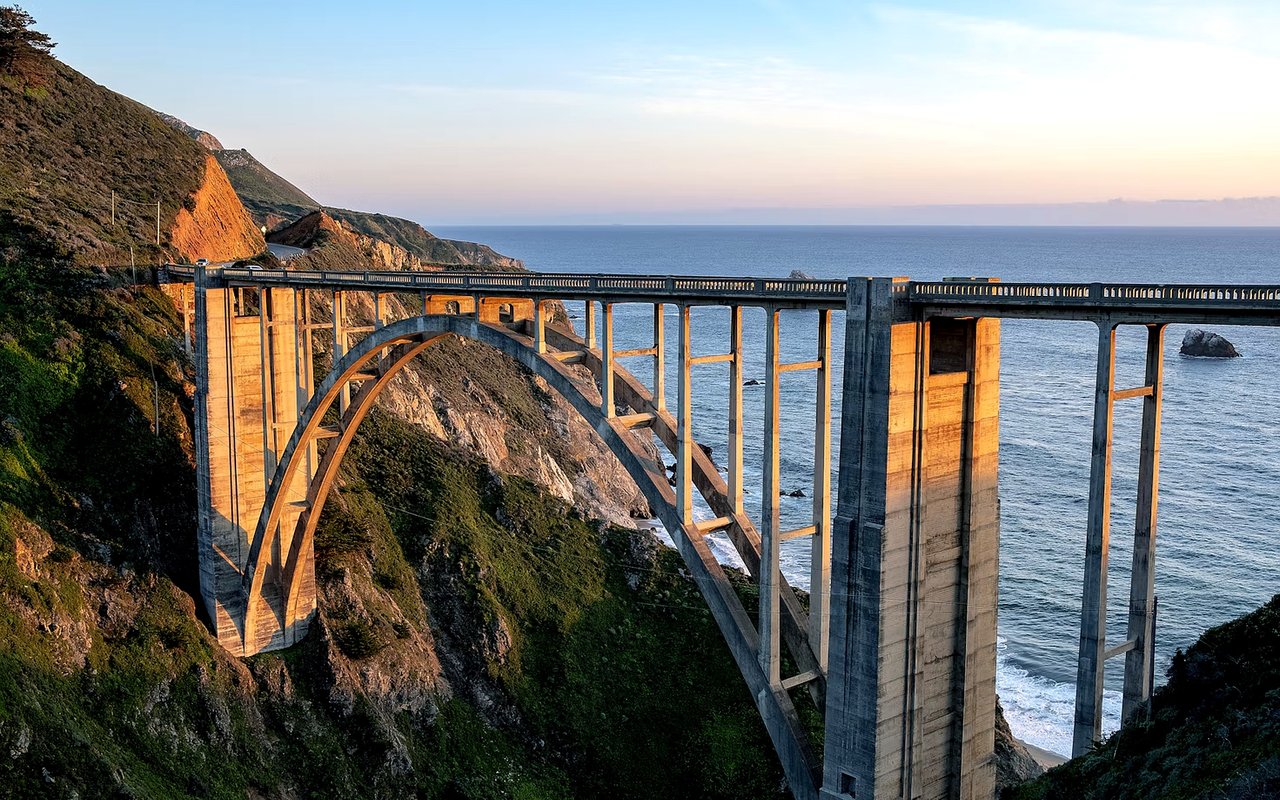
After your walk, head into Carmel for lunch or a stroll through its shops. Drivers who want more scenery can continue south on Highway 1 to reach the dramatic bridges and viewpoints of Big Sur.
- Carmel stop: Cafes and galleries make a relaxed follow-up to a morning on the headlands.
- Highway 1 drive: The road south offers sweeping ocean views from the first few miles.
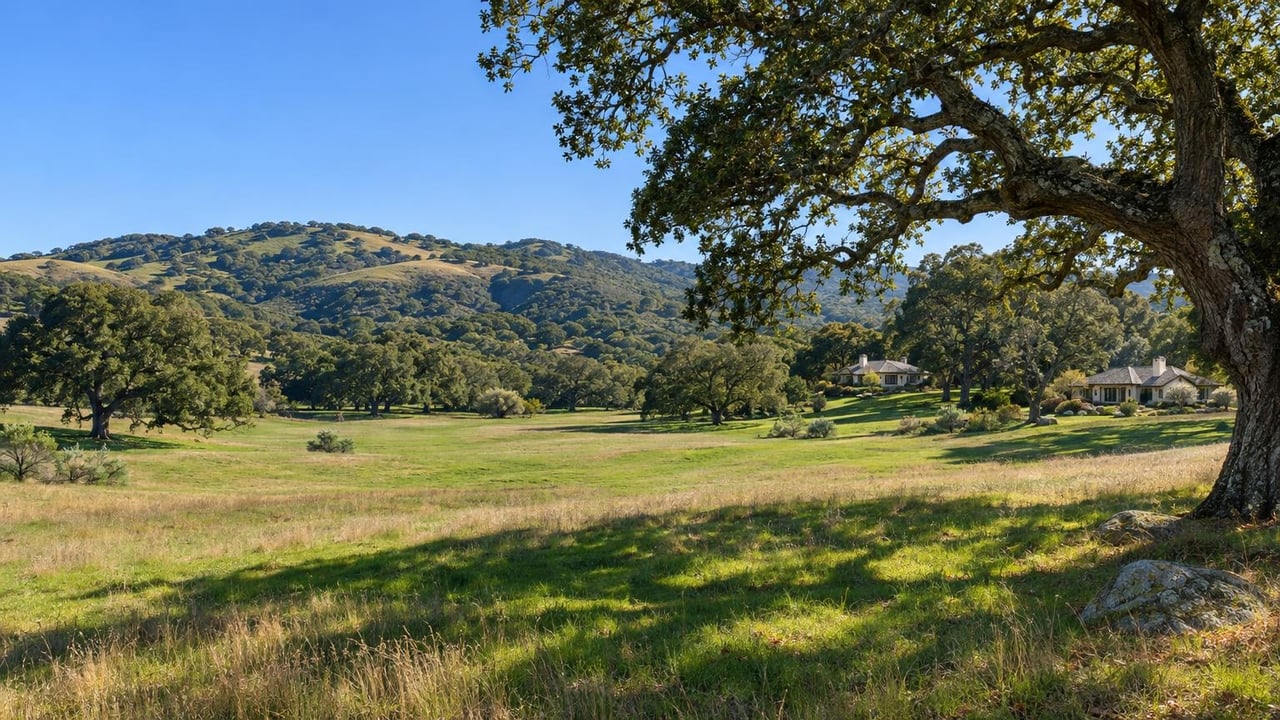
- Local neighborhoods: The surrounding communities give visitors a feel for daily life near the water.
Many of our clients first fell for the area on a day like this. A single outing can show you the coast, the town, and the neighborhoods in between. We are happy to plan a tour that fits your visit.
Rules, Etiquette, and Planning Tips
The reserve protects fragile habitat, so rules are strict. Dogs are not permitted, even in parked vehicles, though service dogs are welcome.
What Not to Bring
Drones, collecting, smoking, fires, alcohol, and camping are all prohibited. Bicycles are allowed on pavement but not on trails.
- No pets: Leave dogs at home.
- No drones: Aerial devices are prohibited.
- Leave no trace: Take nothing and leave nothing behind.
Respect for the rules helps preserve the reserve for everyone. Rangers and docents are happy to answer questions. The foundation that supports the reserve funds its volunteer docent program.
FAQs
What is the best time to visit Point Lobos?
Weekday mornings tend to be quieter, and the parking lot fills quickly later in the day. Check the day-use hours and last entry time before you leave home. We can share more local tips.
Are dogs allowed?
No. Dogs are not permitted in the reserve, including in parked vehicles, though service dogs are accepted.
Can I bring a drone or ride a bike on the trails?
Drones are prohibited, and bicycles are not allowed on trails. Bikes may use paved roads.
Reach Out to Scherling Properties
Contact
Scherling Properties to learn about living near the Monterey coast, and we will gladly show you the neighborhoods nearby.