Buying A Cottage In Carmel-by-the-Sea: A Practical Guide
July 9, 2026
July 9, 2026
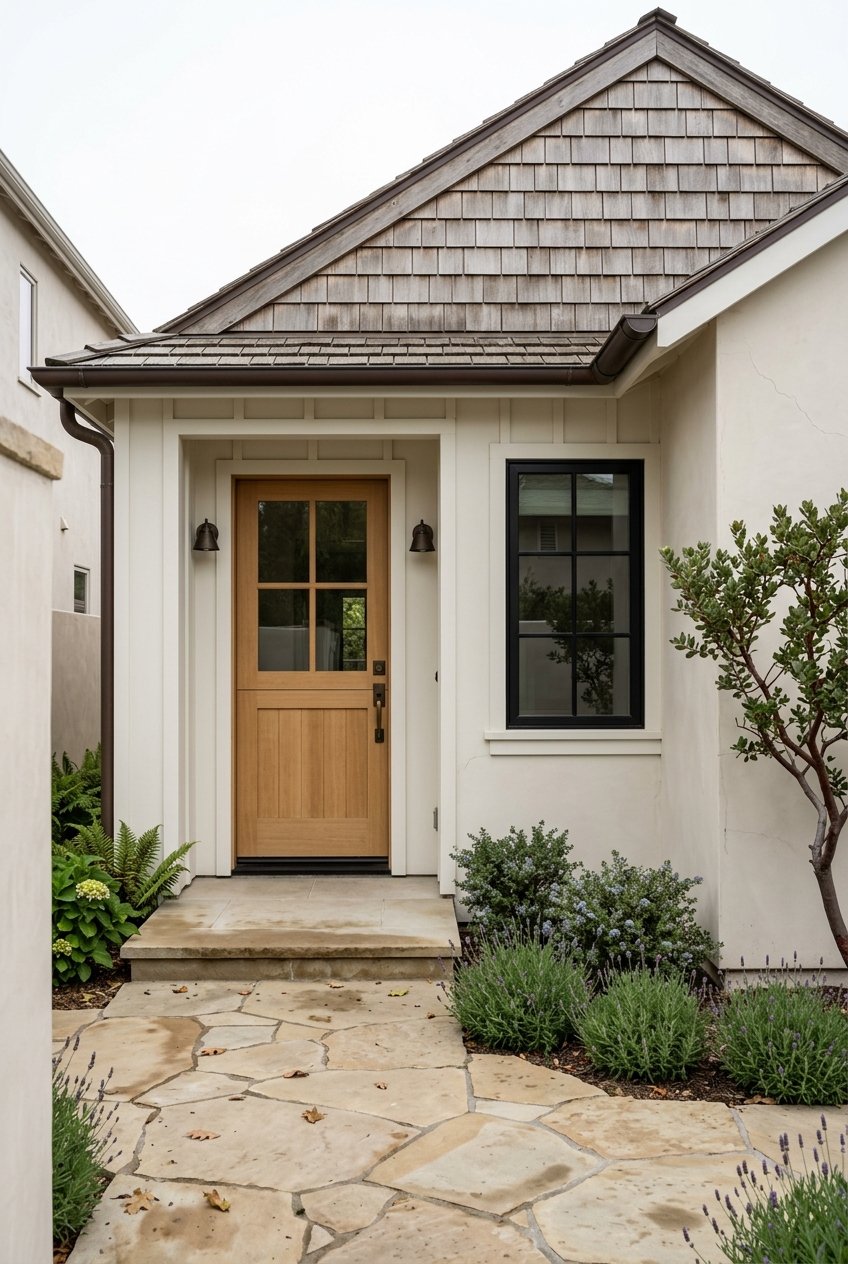
If you have ever fallen for a Carmel-by-the-Sea cottage at first sight, you are not alone. These homes can feel storybook-perfect, but in Carmel, charm is only part of the equation. If you are thinking about buying one, it helps to understand how pricing, permits, design rules, and property condition can shape what you are really buying. Let’s dive in.
Carmel-by-the-Sea is not a market where you can judge a property by square footage alone. The city sits entirely within the coastal zone and operates under a certified Local Coastal Program, which means regulations can play a major role in what you can change, expand, or preserve over time.
That matters even more with cottages, since many sit on smaller lots and may already be close to their practical limits for floor area, site coverage, height, or setbacks. In a market like this, a home’s long-term value is often tied to its compliance status and remodel potential as much as its current appearance.
The pricing also reflects Carmel’s upper-end market position. Recent trackers place average home value around $2.416 million, median sale price around $2.715 million, and median listing price near $2.9 million, with about 31 homes for sale. The exact figures vary by platform, but the bigger takeaway is clear: you are shopping in a high-value, limited-inventory coastal market.
With Carmel cottages, lot rules can affect your options just as much as the home itself. On sites under 4,000 square feet, the city allows a maximum base floor area equal to 45% of the lot. For lots between 4,000 and 10,000 square feet, the city uses a sliding formula, and for larger lots, buyers are directed to speak with a planner.
Floor area is broader than many buyers expect. It can include basements, mezzanines, guesthouses, studios, garages, carports, and attic, basement, or storage areas with five or more feet of clearance. That means a cottage that looks modest from the street may already be using more of its allowed area than you assume.
The city also treats site coverage as a separate limit. Patios, walkways, driveways, decks, steps, decomposed granite, artificial lawns, gravel, and hot tubs can all count toward site coverage, which is limited to 22% of base floor area, with a 4% bonus available if at least half of site coverage is permeable.
For example, the city’s table shows that a 4,000-square-foot lot allows 1,800 square feet of base floor area and 396 square feet of site coverage, or 556 square feet with the permeable-material bonus. That is useful context if you are thinking ahead to outdoor living, a revised entry, or other improvements.
Many Carmel buyers picture adding a bedroom, expanding a kitchen, or creating more indoor-outdoor flow later. Before you build that plan into your decision, you will want to verify the property’s buildable envelope.
The city states that the front-yard setback is 15 feet on most lots, while other setbacks can vary by zoning and lot shape. Maximum height is two stories citywide, but properties west of Carmelo Street in the Beach and Riparian Overlay District are capped at 18 feet.
In practical terms, a cottage can be beautiful and still offer very little room to grow. That is why it is smart to evaluate both the home and the lot together, especially if your purchase depends on future remodeling.
Carmel has a strong design culture, and that is part of what gives the city its distinct character. The city says its Residential Design Guidelines are meant to encourage human-scale building design, preserve the forest character, and keep projects sensitive to neighboring properties.
Most exterior alterations require some level of Design Study review. Smaller changes may be approved by staff, while more substantial work may go before the Planning Commission.
If a property is considered a historic resource, the review process can become more detailed. Major alterations may also involve the Historic Resources Board, and the city may require consistency with the Secretary of the Interior’s Standards.
For you as a buyer, this means a planned remodel should never be treated as automatic. Even changes that seem straightforward can require review, revisions, or added time.
Many of Carmel’s most appealing cottages are older homes, and that often means the inspection process should go beyond the usual cosmetic checklist. Roof condition, drainage, utility systems, and compliance history can all affect both cost and timing after closing.
One important item is the sewer lateral. Carmel Area Wastewater District says homeowners are responsible for building sewer and lateral pipes up to the main line, and its ordinance requires a video inspection at sale or for remodels over $50,000. If the lateral fails, it must be repaired or replaced unless the entire lateral was replaced within the prior 10 years.
Water requirements matter too. Monterey Peninsula Water Management District says all real-property transfers trigger water conservation requirements, and its inspector must see every water fixture on site except outdoor fixtures other than a swimming pool. The seller is generally responsible for retrofits unless the buyer agrees otherwise, and buyers can receive six months to complete work.
If you are considering a bathroom addition, ADU, or larger remodel, water-permit rules should be checked early. The city notes that a second bathroom can be added to a one-bath cottage without a city water allocation, but separate district water-permit requirements still need to be reviewed before you assume a project will be simple.
Cottages often sit on mature, landscaped lots, which can add beauty and complexity at the same time. The city requires that stormwater not be directed onto neighboring parcels or the public right-of-way, so drainage should be evaluated carefully during due diligence.
Tree rules also matter. The city requires permits for many tree removals, heavy pruning, and root cutting, which can affect future landscape plans, construction access, or foundation work.
For some remodels, surveyor certification is required for foundation location and roof height. Fire-sprinkler retrofit rules can also be triggered by major wall work over a five-year period.
These details are easy to overlook when a home feels turnkey enough for a quick decision. In Carmel, they are worth checking before you write an offer or remove contingencies.
Some of Carmel’s logistics are simply different from what buyers expect. The city does not use street-number addresses for utility setup, which can surprise out-of-area buyers during the move-in process.
Parking can also affect everyday convenience. Residential parking permits are available to residents and owners of residential property, and visitor parking is limited in many areas.
If the property is a second home or occasional-use home, rental plans deserve extra attention too. The city states that transient rentals shorter than 30 days are prohibited in the single-family residential zoning district.
In a market like Carmel, your total cost of ownership may include more than your offer price and closing costs. Depending on the property, you may also need to plan for permit fees, fixture upgrades, sewer-lateral work, drainage improvements, tree permits, survey work, and review-related delays.
That is especially important if you are buying an older cottage with future projects in mind. The city also warns that starting work before required permits can lead to stop-work orders, double permit fees, and investigation fees.
A practical budget gives you room for both the expected and the less obvious. In Carmel, that kind of planning can make your purchase feel much calmer and more predictable.
The best approach is to assume that charm and complexity often come together. A cottage may be delightful from day one, but the bigger question is whether the property’s envelope, systems, and compliance path support how you want to use it over time.
That is why careful sequencing matters. Before you move too far emotionally, it helps to understand whether the property may involve historic review, coastal review, sewer-lateral work, water-fixture compliance, or permit-sensitive remodeling.
If you are buying from out of the area, relocating, or looking for a second home, that local guidance becomes even more valuable. Having a clear picture of the home’s limits and possibilities can help you make a confident decision in one of the peninsula’s most distinctive markets.
If you are considering a cottage in Carmel-by-the-Sea, working with a local expert can help you see beyond the storybook exterior and evaluate the property with clarity. For thoughtful guidance on buying, relocating, or navigating the Monterey Peninsula market, connect with Scherling Properties.
Stay up to date on the latest real estate trends.

A Look at Carmel Valley Real Estate and Everyday Life.

A Guide to Pebble Beach Golf and the Wider Monterey Peninsula.

An Insider's Guide to the Pebble Beach Concours d'Elegance.

What to Know About Buying Pebble Beach Real Estate.

A Practical Guide to Coastal Home Maintenance on the Monterey Peninsula.

Everything to Know About Driving 17-Mile Drive in Pebble Beach.
Get assistance in determining current property value, crafting a competitive offer, writing and negotiating a contract, and much more. Contact Stacey today.