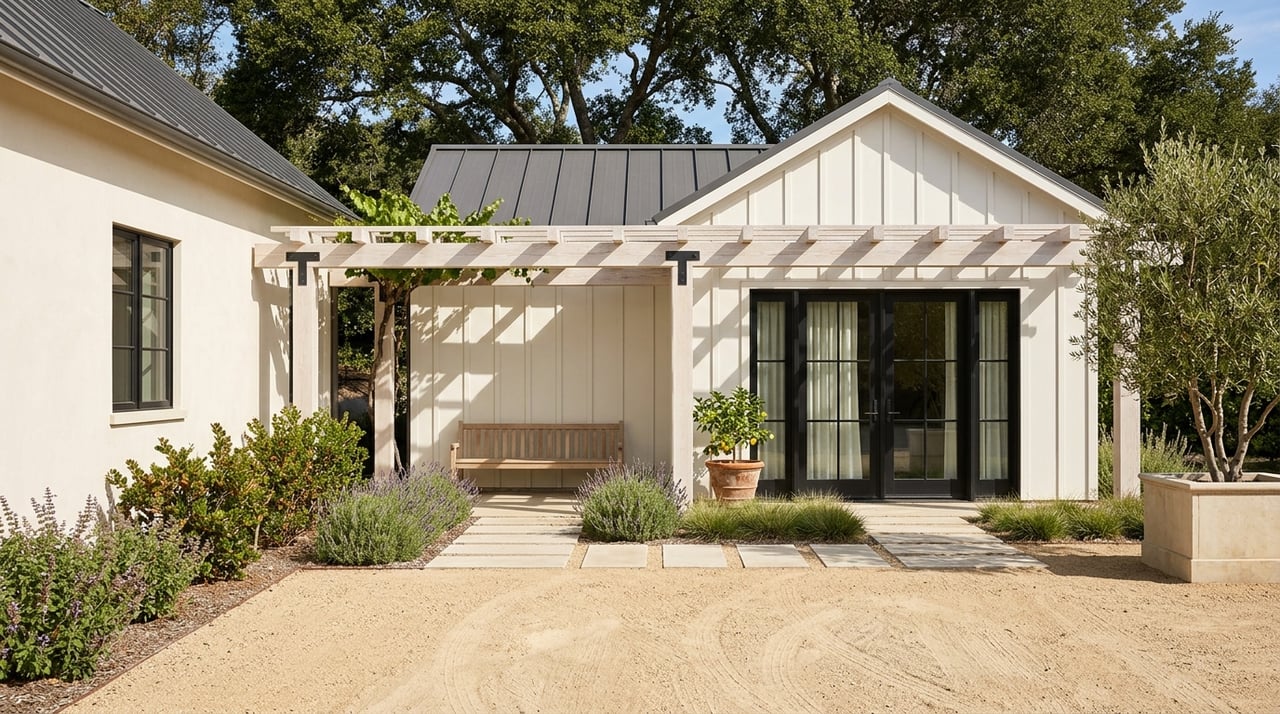
Is Carmel Valley Right For Your Second Home Or Retreat?
July 16, 2026
July 16, 2026
Wondering whether Carmel Valley could be the right place for your second home? If you love the Monterey Peninsula but want a setting that feels a little sunnier, quieter, and more tucked away, this part of the market deserves a close look. Carmel Valley Village offers a very specific kind of lifestyle, and understanding that fit can help you buy with more confidence. Let’s take a closer look.
Carmel Valley Village is not the same experience as living on the coast. Local tourism information describes it as warm, rustic, and relaxed, with more than 300 days of sunshine a year and a setting about 20 minutes from Carmel-by-the-Sea and Monterey.
That difference matters if you are shopping for a retreat. A regional climate summary from NOAA/NWS also helps show the inland shift, with Carmel Valley posting warmer highs than Monterey in April 2012. In simple terms, you trade some ocean coolness for a warmer inland profile.
For many buyers, the appeal starts with how usable the area feels beyond summer. See Monterey describes spring and fall as especially pleasant and presents the valley as a year-round destination, which supports the idea of weekend stays and seasonal use throughout much of the year.
The setting also has a more relaxed rhythm than a beach-focused location. Carmel Valley Road moves east from the coast through ranch land, fields, galleries, cafés, and village streets, giving the area a retreat-like identity that stands apart from oceanfront living.
Carmel Valley is strongest for buyers who want outdoor access, wine-country amenities, and room to unwind. If your ideal second home includes mornings on the trail, afternoons on a tasting patio, and easy day trips to the coast, the area checks many boxes.
Garland Ranch Regional Park is one of the clearest lifestyle draws. The Monterey Peninsula Regional Park District describes it as a 4,462-acre park with elevations from 200 to 2,000 feet and day-use activities that include hiking, horseback riding, jogging, walking, bird watching, photography, and simple solitude.
The park is also open to the public with no access permit required, and it sits 8.6 miles east of Highway 1. That reinforces the area’s identity as a trail and open-space setting rather than a beach district.
The Village has more than 20 tasting rooms in a walkable cluster, according to See Monterey. For a second-home buyer, that means you can enjoy dining and tasting-room activity without needing a full resort setup on your own property.
See Monterey also highlights tasting patios, vineyard gardens, and small-batch producers. If you picture your retreat as a place for relaxed weekends with friends or quiet evenings close to local amenities, this part of the lifestyle may feel especially appealing.
See Monterey points to local attractions such as horseback riding, the Refuge spa, The Quail golf course, and Earthbound Farm Stand. Together, those options help support a stay pattern that can be active or low-key depending on the weekend.
That flexibility can matter when you are buying a second home instead of a full-time residence. You may want enough to do nearby without feeling like you need to plan every day around tourist activity.
Carmel Valley is not a uniform subdivision market. Monterey County’s Carmel Valley Master Plan says the planning area covers 28,000 acres, with land use primarily made up of rural residential development and small-scale agricultural pursuits.
The same plan says about 6,900 acres, or roughly one-fourth of the valley, had been developed. It also calls for a concentrated commercial village core with nearby moderate-density residential uses that transition to more rural peripheral areas.
That planning framework suggests a wide range of property experiences. Some homes may sit closer to village services, while others may feel more private, hillside-oriented, or land-intensive.
For you as a buyer, that means the parcel itself may matter as much as the house. Driveway access, slope, privacy, tree cover, views, drainage, and the amount of site upkeep can all shape whether the home feels easy and enjoyable to own.
The Carmel Valley Village development criteria say projects should fit natural topography, drainage, solar access, fire access, and the area’s rural character. That is a useful reminder that homes here are often shaped by the land around them, not just by interior design or square footage.
If your goal is a retreat, this can be part of the appeal. A property with more privacy and a stronger connection to the landscape may offer exactly the atmosphere you want, as long as you go in with realistic expectations about care and maintenance.
A second home in Carmel Valley can be deeply rewarding, but it often calls for more upfront diligence than a lower-maintenance property near the coast. Before you fall in love with a view or a charming lane, it helps to think through how the property will function when you are not there.
The area’s rural-residential pattern means some properties may need more active site care. Tree management, landscaping, driveway upkeep, and seasonal maintenance can all become part of the ownership picture.
CAL FIRE also says 100 feet of defensible space is required by law and emphasizes home hardening and maintaining defensible space around the structure. In a setting with trees, slopes, and rural edges, that can mean year-round work instead of occasional cosmetic landscaping.
Utilities can be more complex on rural parcels. Monterey County Environmental Health says new or replacement septic systems must comply with county OWTS standards, and county well rules require construction and repair to follow permit and standards processes.
The county also notes a 100-foot separation between a water well and a septic tank or conventional leach field. If a property uses private systems, water and wastewater review should be part of your due diligence before closing, not after.
Not every part of Carmel Valley carries the same flood history. Monterey County’s historical flooding information says several areas, including Robles Del Rio and Mission Fields, were significantly affected in past floods.
County floodplain guidance also says development within the 100-year floodplain or within 200 feet of the riverbank may require a use permit. For a second-home purchase, this is an important map and disclosure review early in the process.
If you hope to create extra guest space, do not assume a large parcel automatically gives you that option. Monterey County says guesthouses are for limited sleeping and living purposes only, may not include kitchen or cooking facilities, are not for independent living or rental purposes, and only one guesthouse is allowed per lot.
The county’s ADU guidance separately says eligibility depends on zoning and other resource-based factors. If flexible guest quarters are a priority, this should be one of the first conversations in your property search.
A second home here tends to suit buyers who want a true inland retreat feel. The area is especially compelling if you value sunshine, privacy, wine-country character, trail access, and a home base that feels close to the Peninsula without being right on the shoreline.
You may be a strong fit if you want:
This location is not the natural match for every second-home buyer. If your top priority is beachfront walkability or the lightest possible maintenance burden, other Peninsula options may align better.
You may want to think carefully if you prefer:
When you are evaluating homes in Carmel Valley, a few practical questions can help clarify the right fit. These questions are often just as important as finishes, views, or bedroom count.
Ask yourself:
Carmel Valley is at its best when you choose it for what it truly offers. It is not trying to be oceanfront Carmel or downtown Monterey. Its strength is a different kind of Peninsula living: sunny, grounded, scenic, and quietly social.
If that sounds like the retreat you have in mind, a well-chosen property here can be a wonderful long-term fit. And if you want help comparing Carmel Valley with other Monterey Peninsula second-home options, Scherling Properties can help you evaluate the lifestyle, property details, and local nuances with clarity.
Stay up to date on the latest real estate trends.
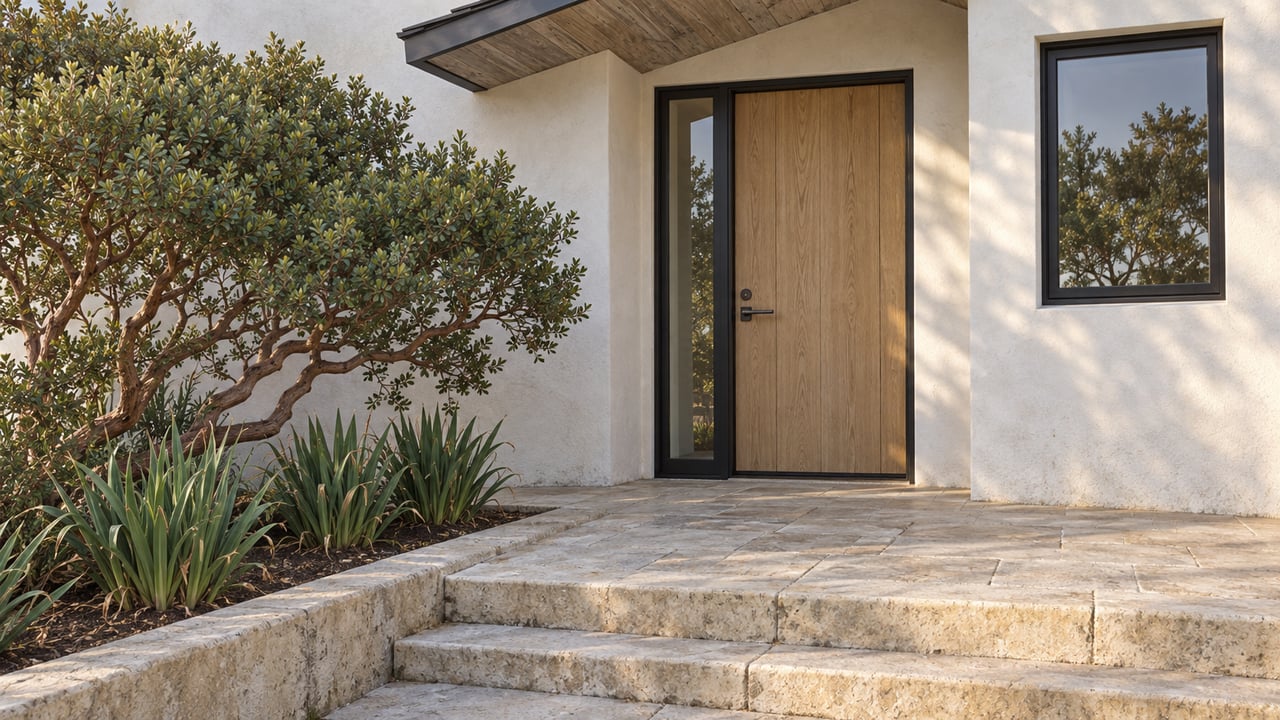
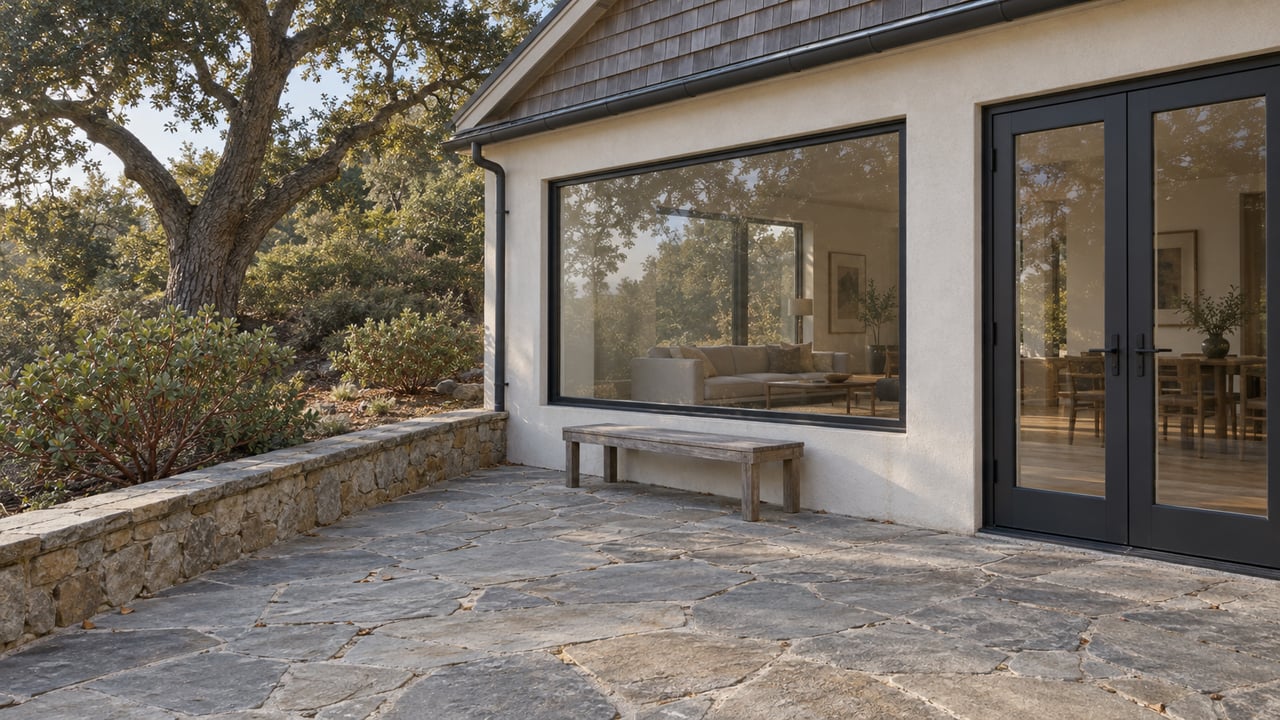
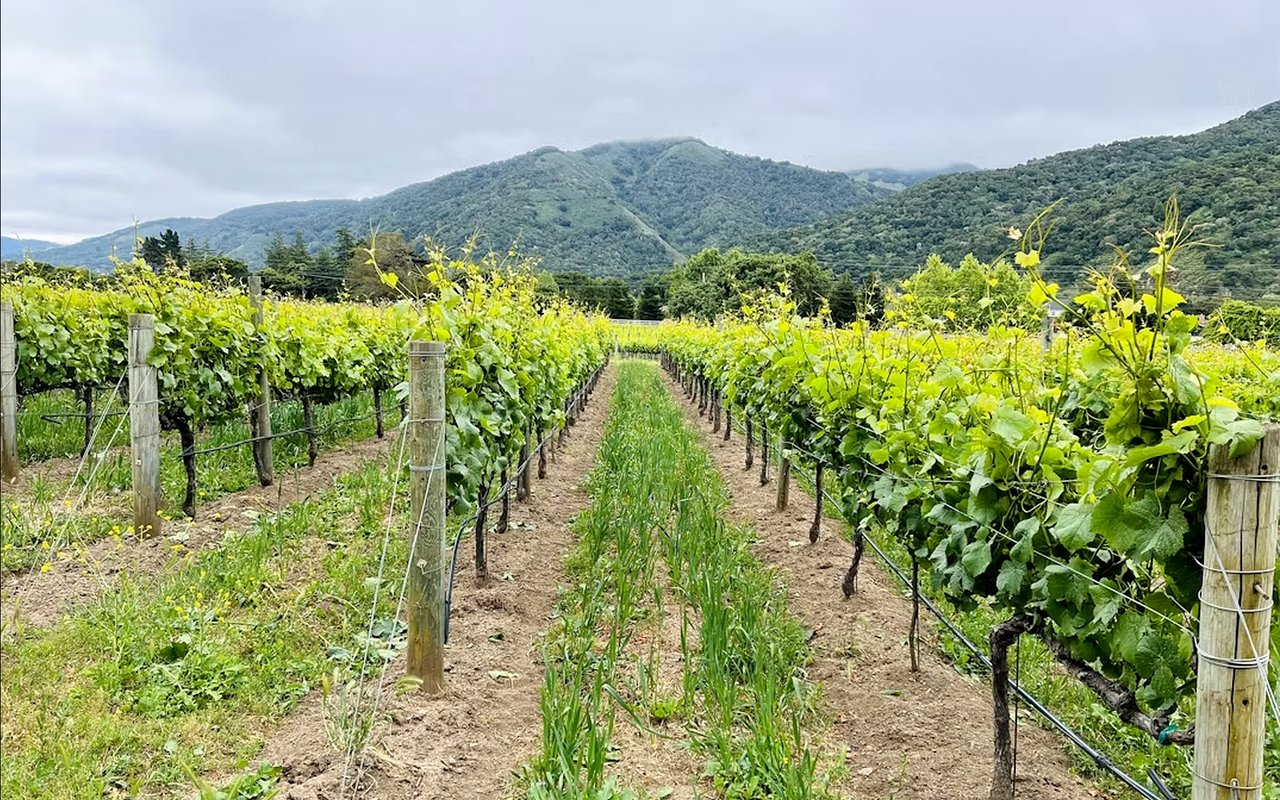
A Look at Carmel Valley Real Estate and Everyday Life.

A Guide to Pebble Beach Golf and the Wider Monterey Peninsula.

An Insider's Guide to the Pebble Beach Concours d'Elegance.
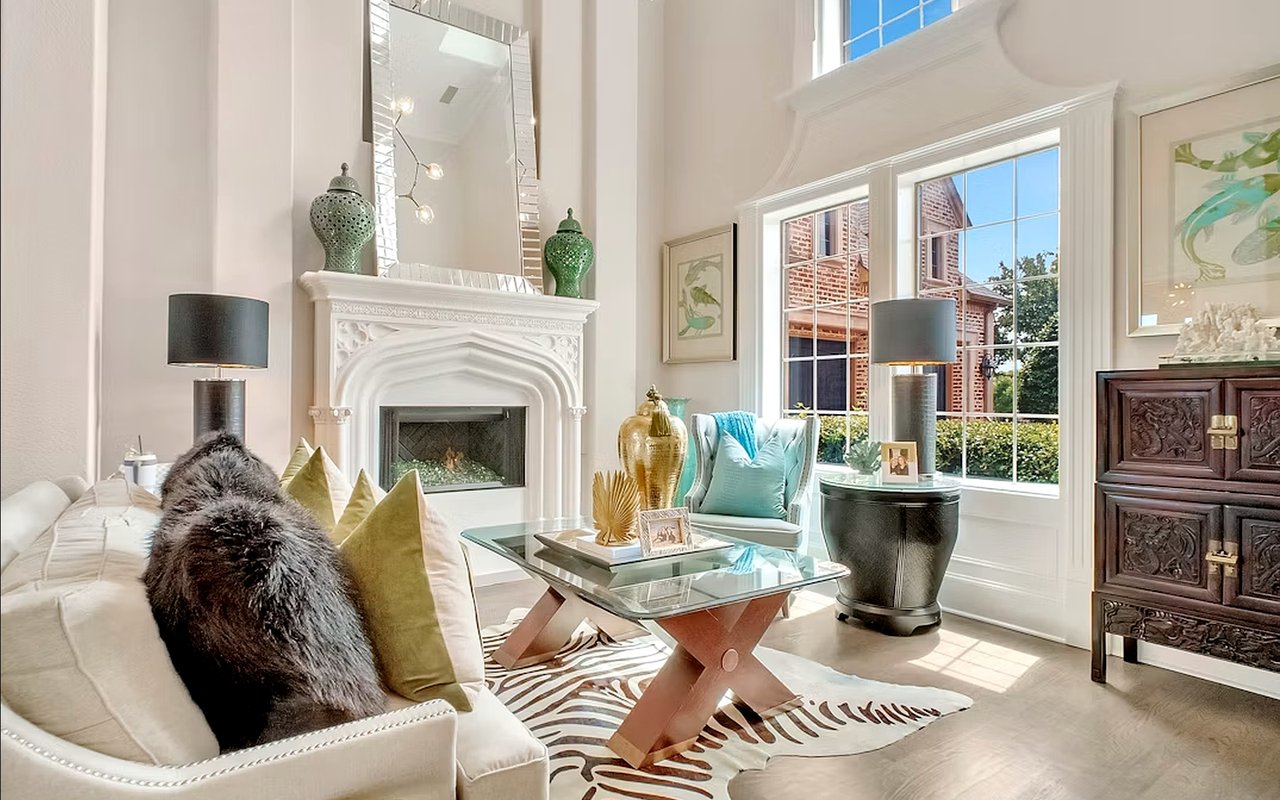
What to Know About Buying Pebble Beach Real Estate.
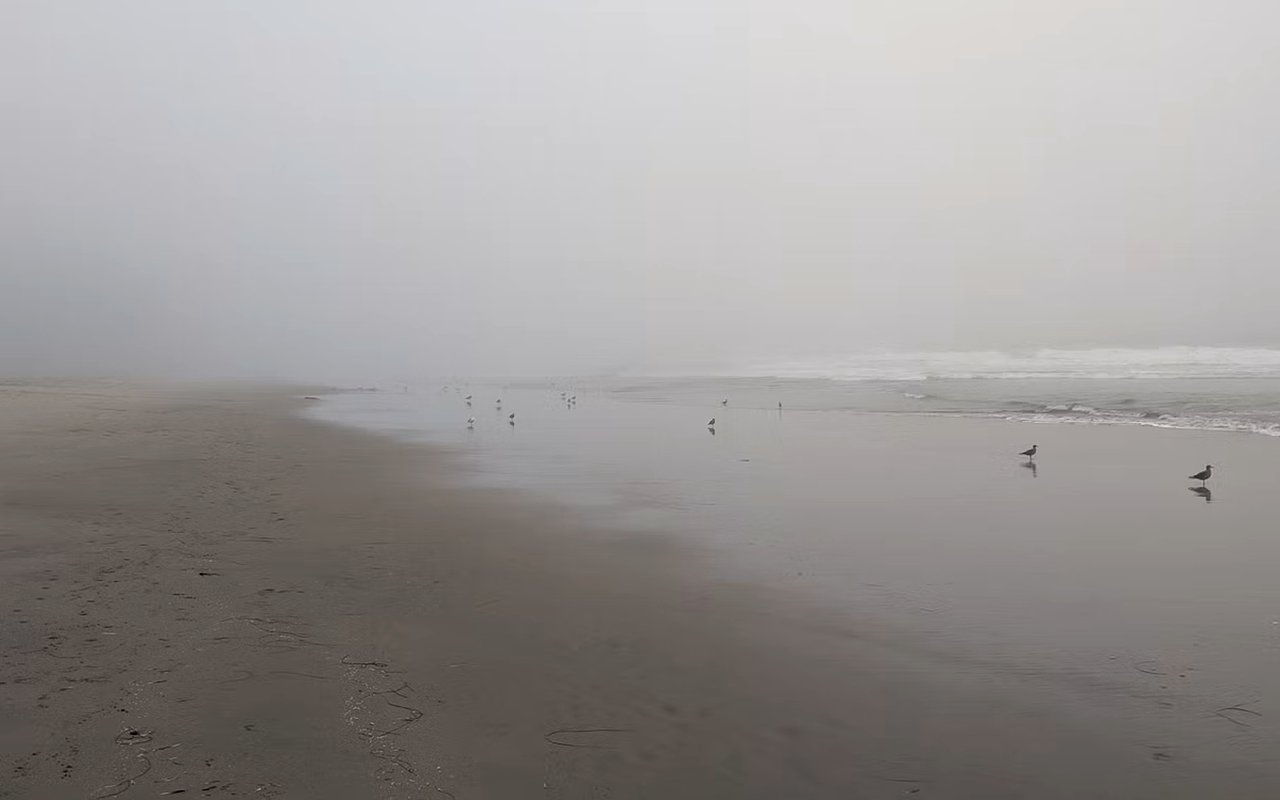
A Practical Guide to Coastal Home Maintenance on the Monterey Peninsula.
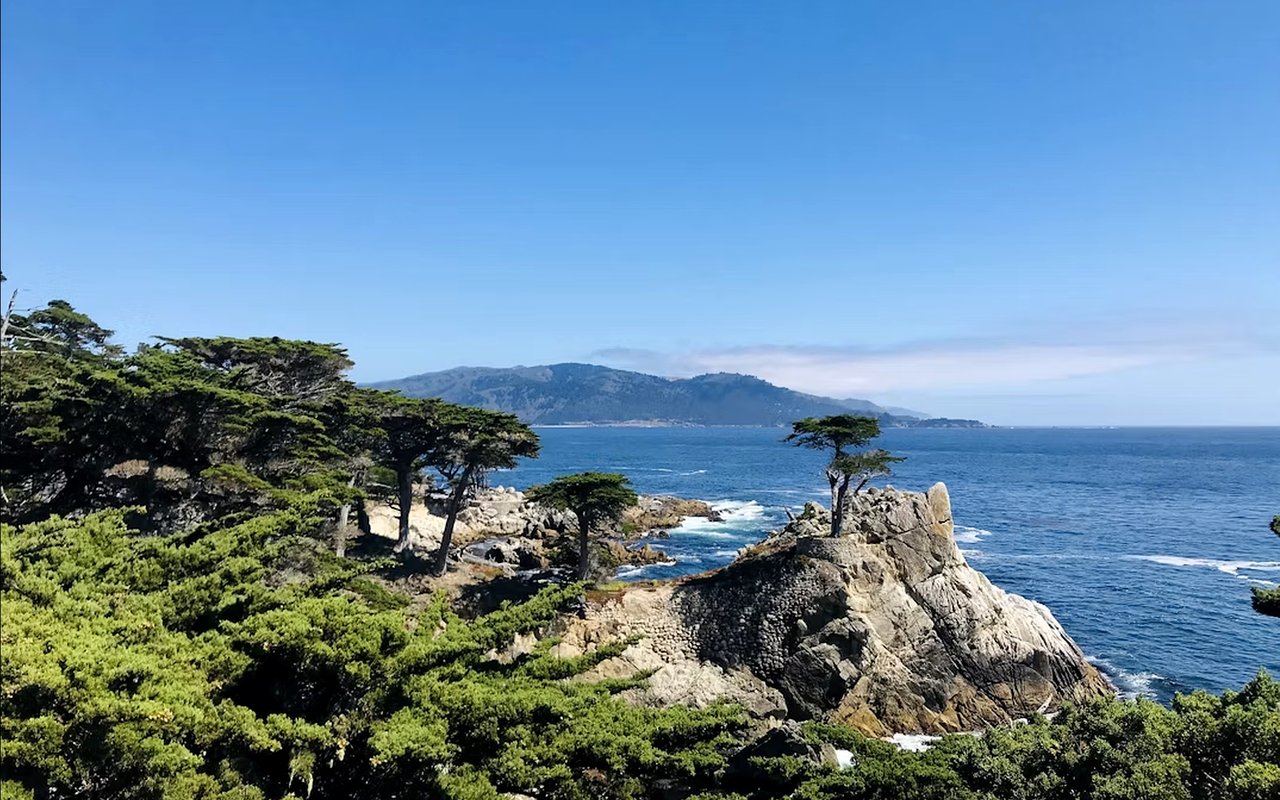
Everything to Know About Driving 17-Mile Drive in Pebble Beach.
Get assistance in determining current property value, crafting a competitive offer, writing and negotiating a contract, and much more. Contact Stacey today.