By Stacey Scherling
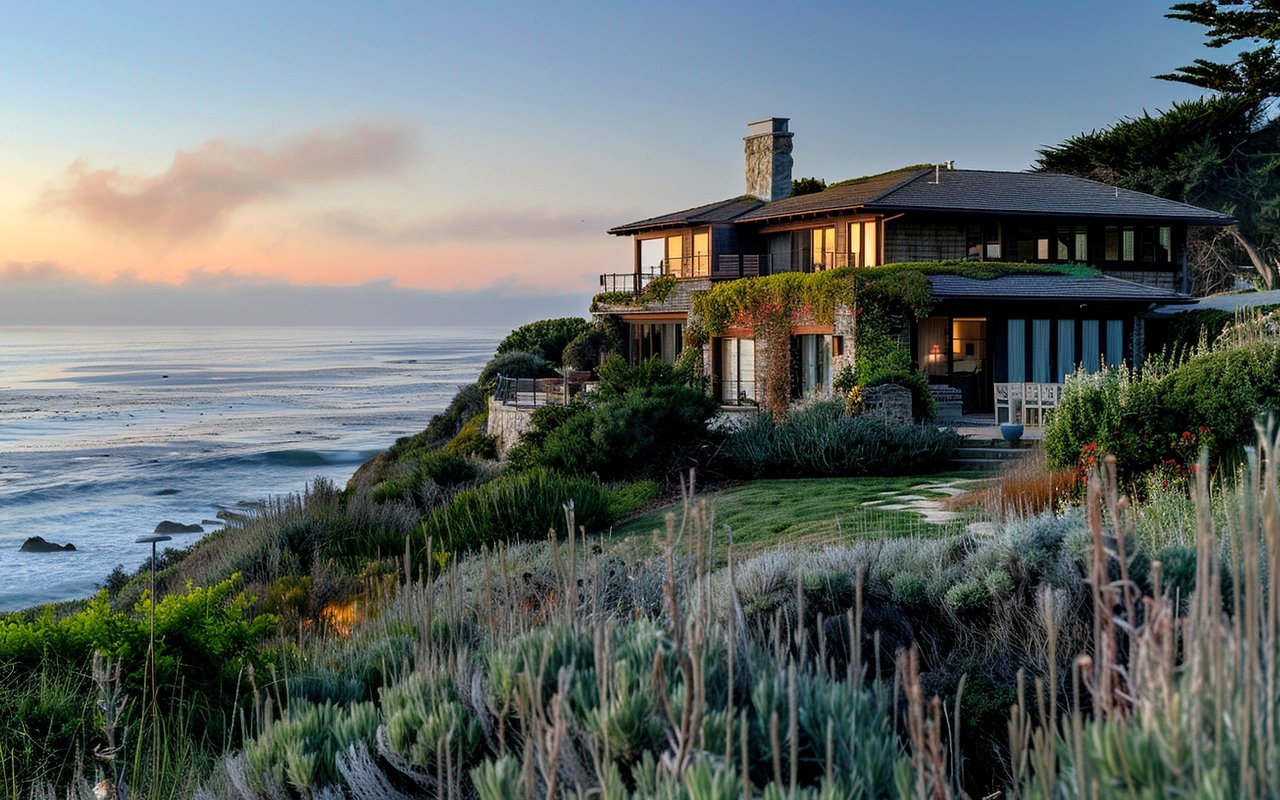
I sell across both the coast and Carmel Valley, and the two areas offer such different daily experiences that I think it's worth explaining clearly before anyone assumes they're interchangeable. The valley sits just a short drive inland, but the climate, the pace, and the housing stock all feel meaningfully different from Carmel-by-the-Sea or Pebble Beach. Here's what I think anyone considering Carmel Valley should actually understand.
Key Takeaways
- Carmel Valley is noticeably warmer and sunnier than the coast, just a short drive away
- Daily life here has a slower, more rural rhythm than the coastal towns
- The housing stock includes ranches, vineyard properties, and larger acreage lots
- Rural considerations like septic systems and wildfire risk are worth understanding upfront
The Peninsula's "Sunbelt": A Real Climate Difference
Carmel Valley is often called the Monterey Peninsula's sunbelt, and multiple sources consistently describe it as running meaningfully warmer than the coast during peak summer months, sometimes by ten degrees or more depending on the exact location and data source. Temperatures can climb noticeably in just a short drive inland, since the valley sits above the marine fog line that keeps the coast cooler and cloudier for much of the year. This climate difference is one of the biggest reasons buyers choose the valley specifically over the immediate coast, though exact figures vary somewhat by the specific part of the valley.
What the Climate Data Actually Shows
- Consistently warmer summer temperatures than the coast across multiple sources
- A real, noticeable temperature shift possible in a short inland drive
- The valley sitting above the marine fog line that affects coastal communities
- Ample annual sunshine, with real variation by exact location within the valley
What Life Actually Looks Like Day to Day
Weekdays in Carmel Valley tend to feel relaxed and rural, with people walking dogs, tending gardens, and running errands at an unhurried pace. Weekends bring more energy, as visitors arrive for wine tasting and outdoor recreation, giving the area a real rhythm between quiet weekdays and livelier weekends. Most residents still drive to the coast regularly for hospitals, specialty shopping, and other Peninsula amenities, so it's worth thinking of Carmel Valley as connected to, rather than separate from, the broader region.
The Everyday Rhythm Here
- Relaxed, unhurried weekdays with a real rural feel
- Livelier weekends driven by wine tasting and visitor traffic
- Regular drives to the coast for hospitals and specialty amenities
- A lifestyle that blends rural space with real regional connectivity
The Housing Stock: Ranches, Vineyards, and Larger Lots
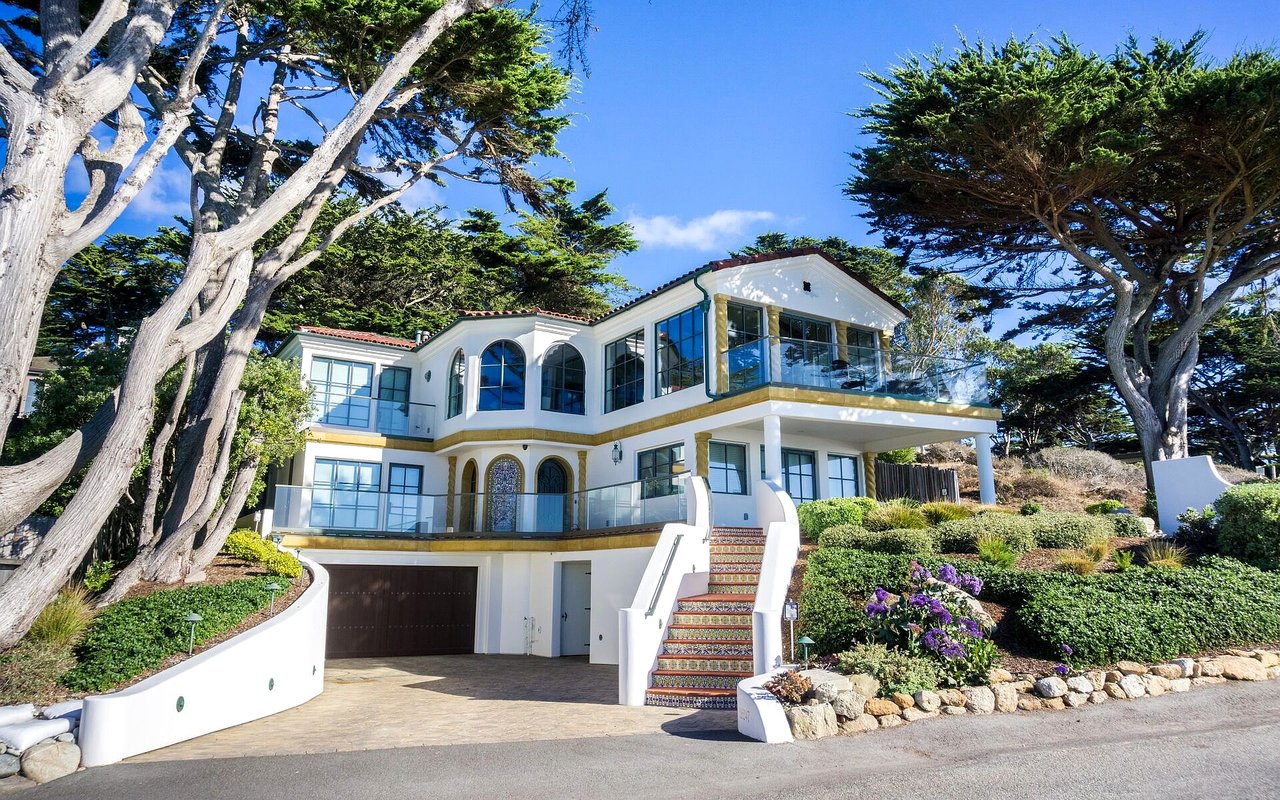
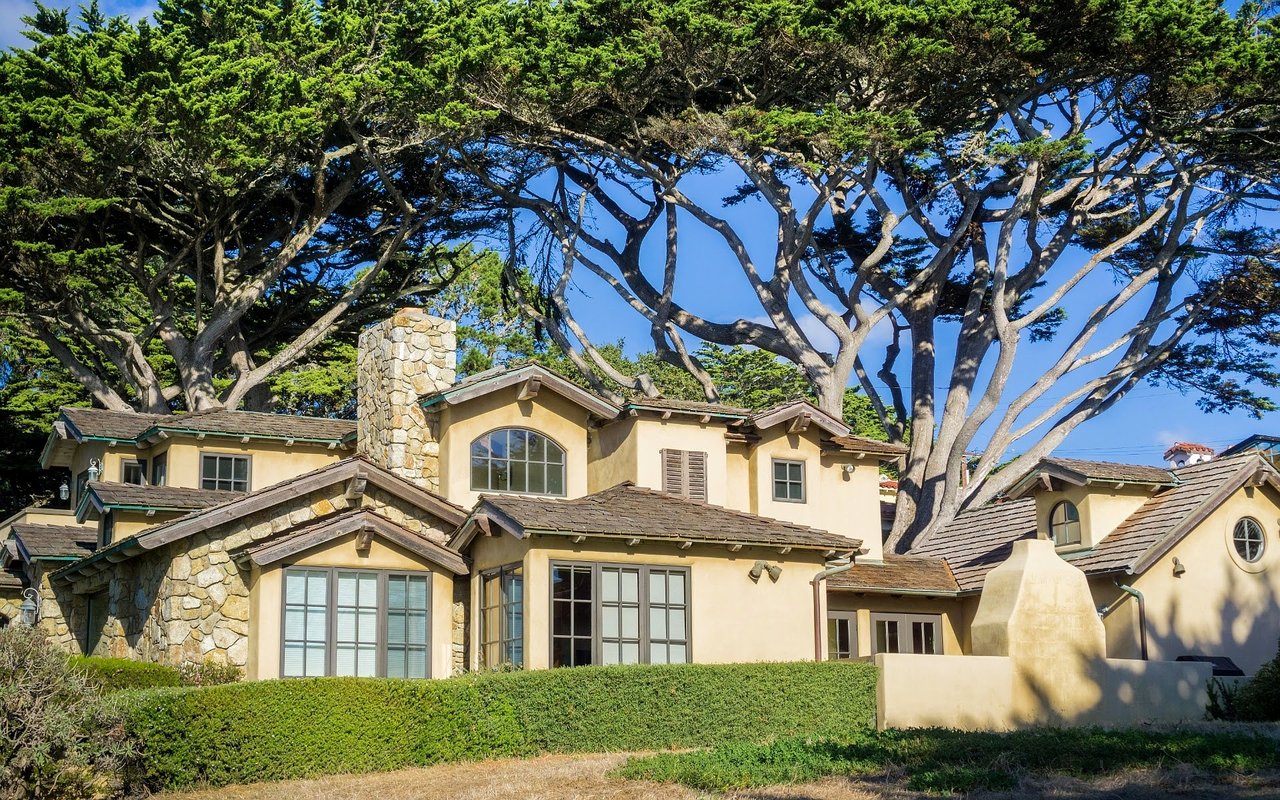
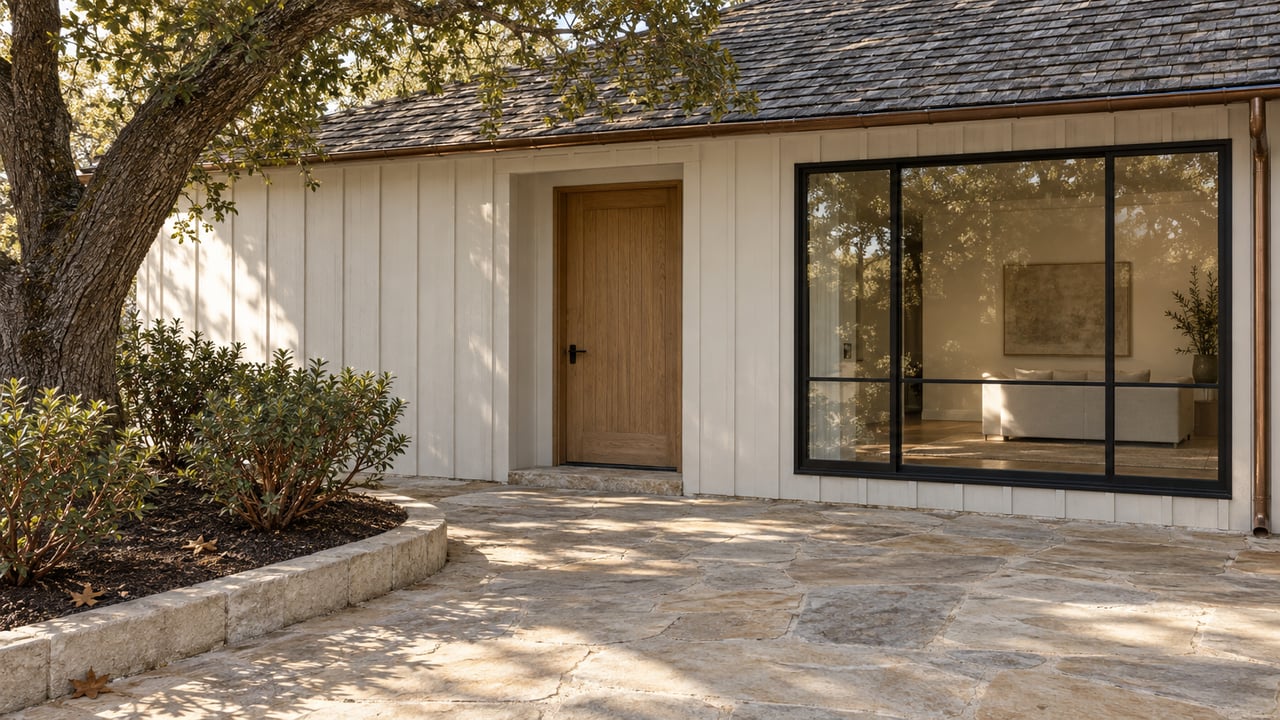
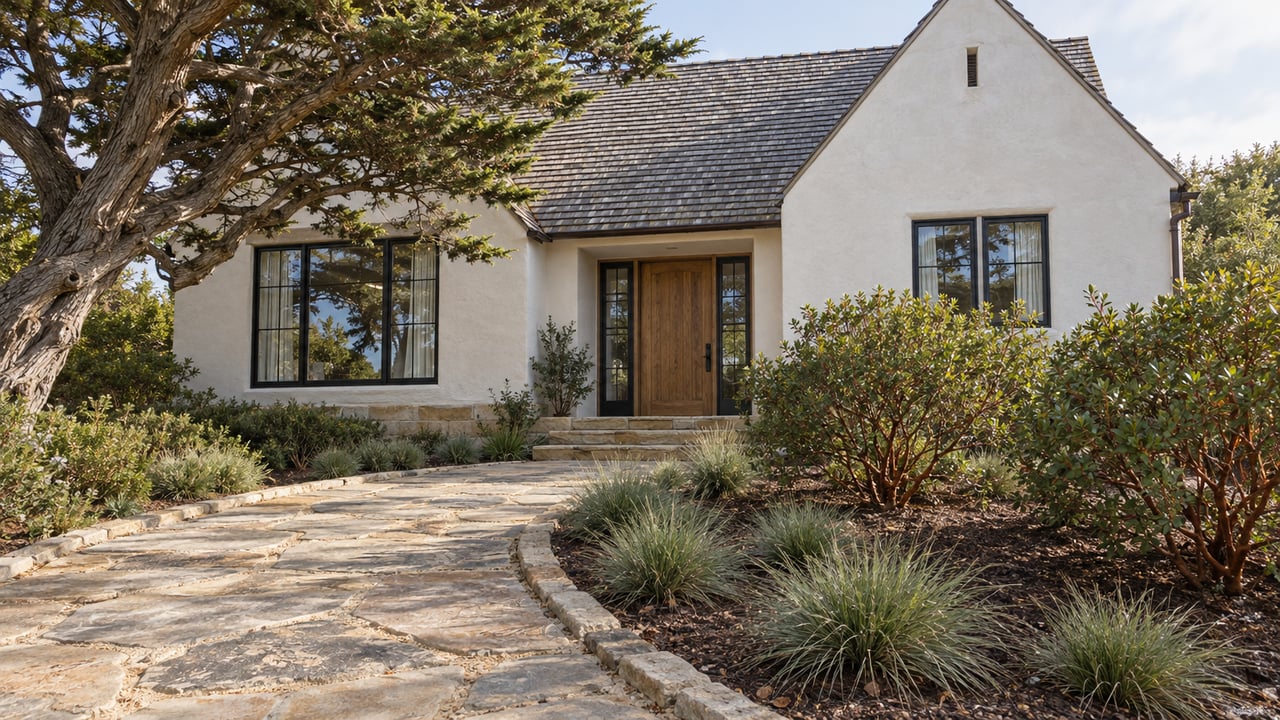
Carmel Valley's housing stock includes ranch-style estates on multiple acres, Mediterranean-style villas, and newer modern farmhouses, generally on larger lots than what's typical along the coast. Cozy cottages and smaller ranch homes can start around $1 million, while larger estates with vineyards or equestrian facilities can exceed $10 million depending on acreage and amenities. Many properties include guesthouses, private vineyards, or expansive outdoor living space designed specifically around the valley's sunnier climate.
What Buyers Will Typically Find
- Ranch-style estates, Mediterranean villas, and modern farmhouses
- Cottages and smaller ranch homes starting around $1 million
- Larger vineyard or equestrian estates that can exceed $10 million
- Guesthouses and private vineyards on many larger properties
Rural Considerations Worth Understanding
Carmel Valley involves fewer coastal-zone permitting constraints than Carmel-by-the-Sea, but it introduces its own rural considerations worth understanding before buying. Septic systems and private wells are common in certain pockets of the valley, and some areas are mapped for higher wildfire risk, both of which are worth factoring into an inspection and long-term ownership plan. I always walk buyers through these specifics for the exact property they're considering, since conditions vary meaningfully parcel by parcel here.
What to Confirm Before Buying
- Whether a specific property relies on a septic system or private well
- Current wildfire risk mapping for the exact parcel in question
- Defensible space requirements where applicable
- Property-specific inspections suited to these rural considerations
Wine Country Roots
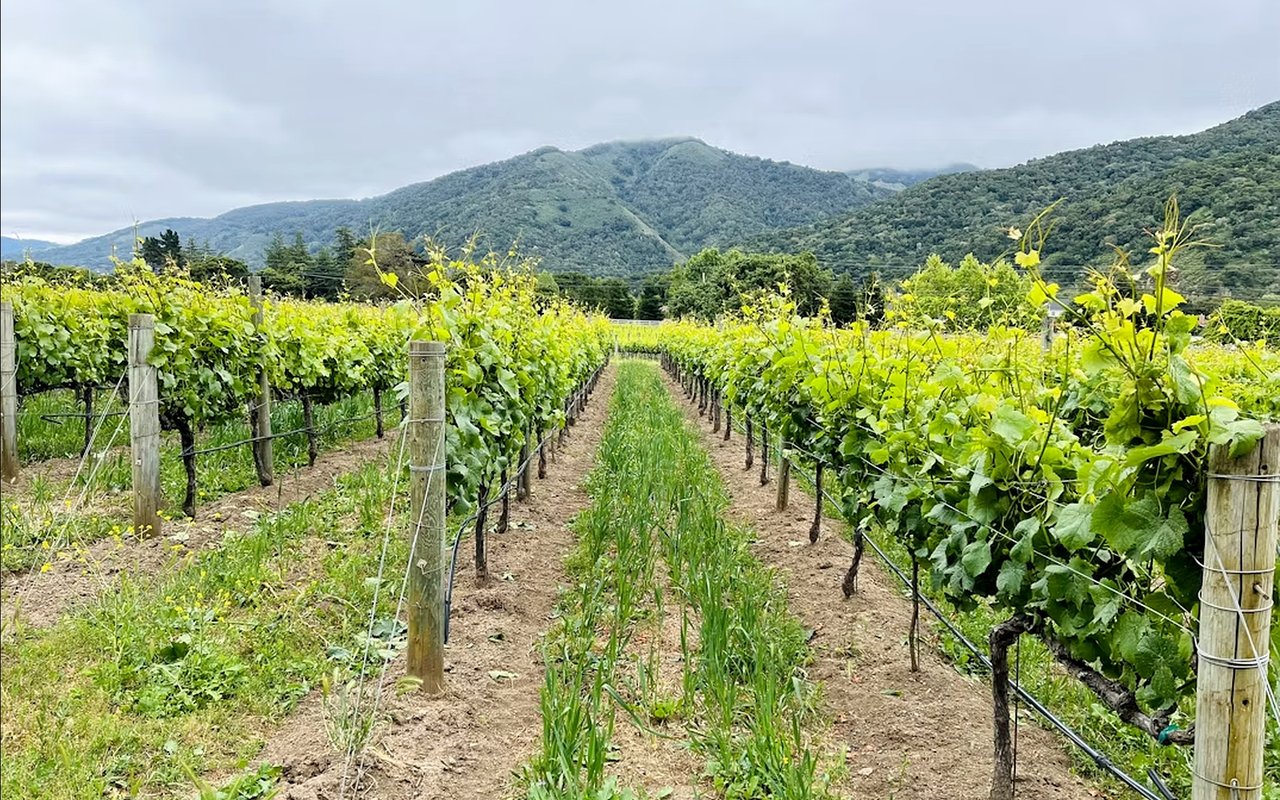
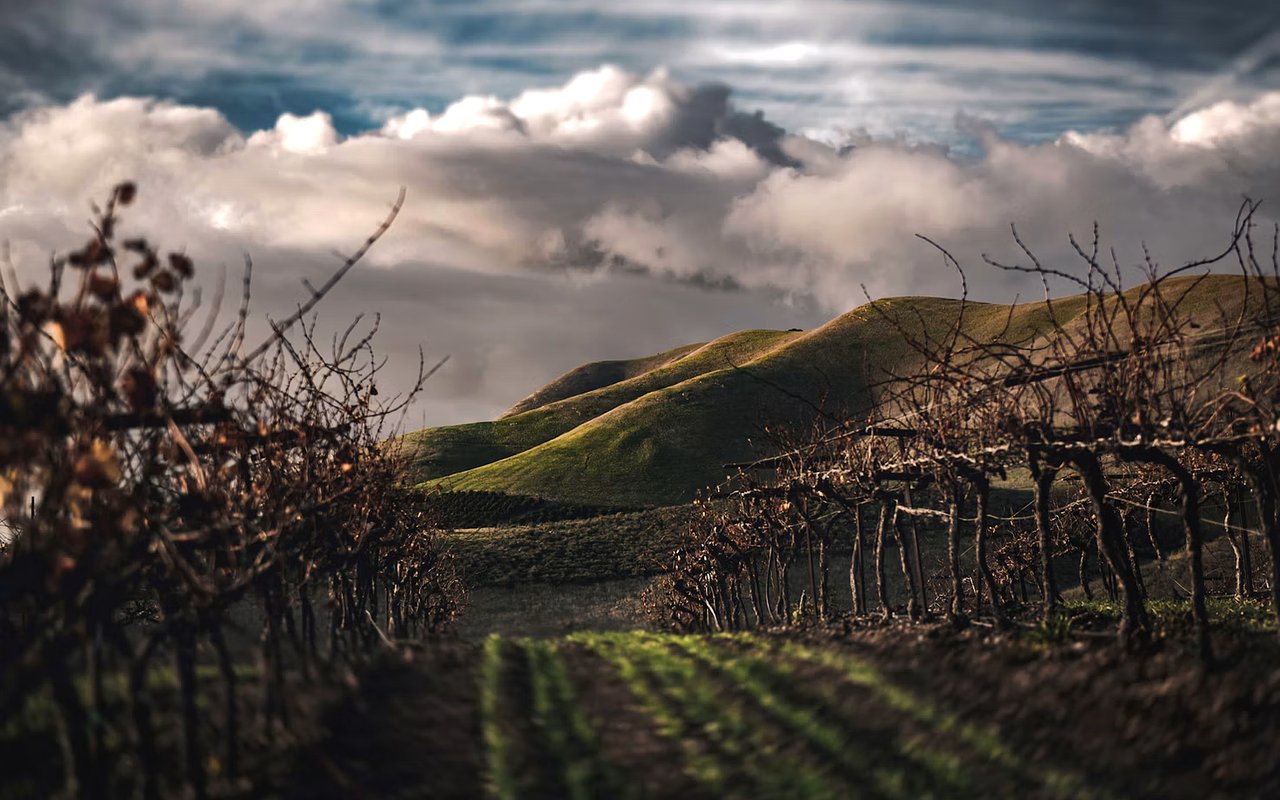
Grape cultivation in Carmel Valley traces back to the 19th century, and the area is now its own recognized American Viticultural Area, with elevations above 1,000 feet helping reduce fog and support the valley's wine production. Carmel Valley Village serves as the walkable heart of this wine country energy, with tasting rooms, restaurants, and boutique shops within a compact, small-town core. For buyers drawn to a real wine country lifestyle without leaving the Monterey Peninsula entirely, this history is a real part of the valley's identity.
Why the Wine Country Identity Matters
- Grape cultivation dating back to the 19th century
- Carmel Valley's own recognized American Viticultural Area status
- Higher elevations helping reduce fog for vineyard production
- Carmel Valley Village as a walkable wine country hub
FAQs
Is Carmel Valley really that much warmer than the coast?
I'd say yes, and multiple independent sources back that up. The exact numbers vary a bit depending on where in the valley you look, but the overall pattern is consistent and real.
Do we need to worry about septic systems or wells if we buy in the valley?
I'd say it depends on the specific property and area, so it's worth checking early. I always confirm this directly before a buyer gets too far into a specific home.
Is Carmel Valley a good fit if we still want easy access to the coast?
I think it works well for a lot of buyers, since the drive to Carmel or Pebble Beach is short. Most residents move between both regularly without much difficulty.
Contact Stacey Scherling Today
Understanding whether Carmel Valley or the coast fits your lifestyle better is something I walk buyers through often, including buyers weighing acreage against coastal proximity. I'm happy to talk through what makes sense for your specific goals.
Reach out to me,
Stacey Scherling, and let's talk about finding your place in Carmel Valley.