By Stacey Scherling
I walk a lot of buyers and homeowners through what living with our fog and salt air actually means for a home, since it's different from maintaining a home almost anywhere else. Fog here is a near-daily presence, not an occasional weather event, and combined with salt spray off the bay, it accelerates wear on a home in specific, predictable ways. Here's what I think every Monterey Peninsula homeowner should understand about protecting a home from this environment.
Key Takeaways
- Fog rolls through the Peninsula almost daily, not just occasionally
- Metal components corrode faster here than almost anywhere inland
- Salt spray can permanently etch window glass in as little as a day
- Carmel-by-the-Sea's own rules shape what exterior maintenance is even allowed
Why Fog Here Is a Daily, Not Occasional, Factor
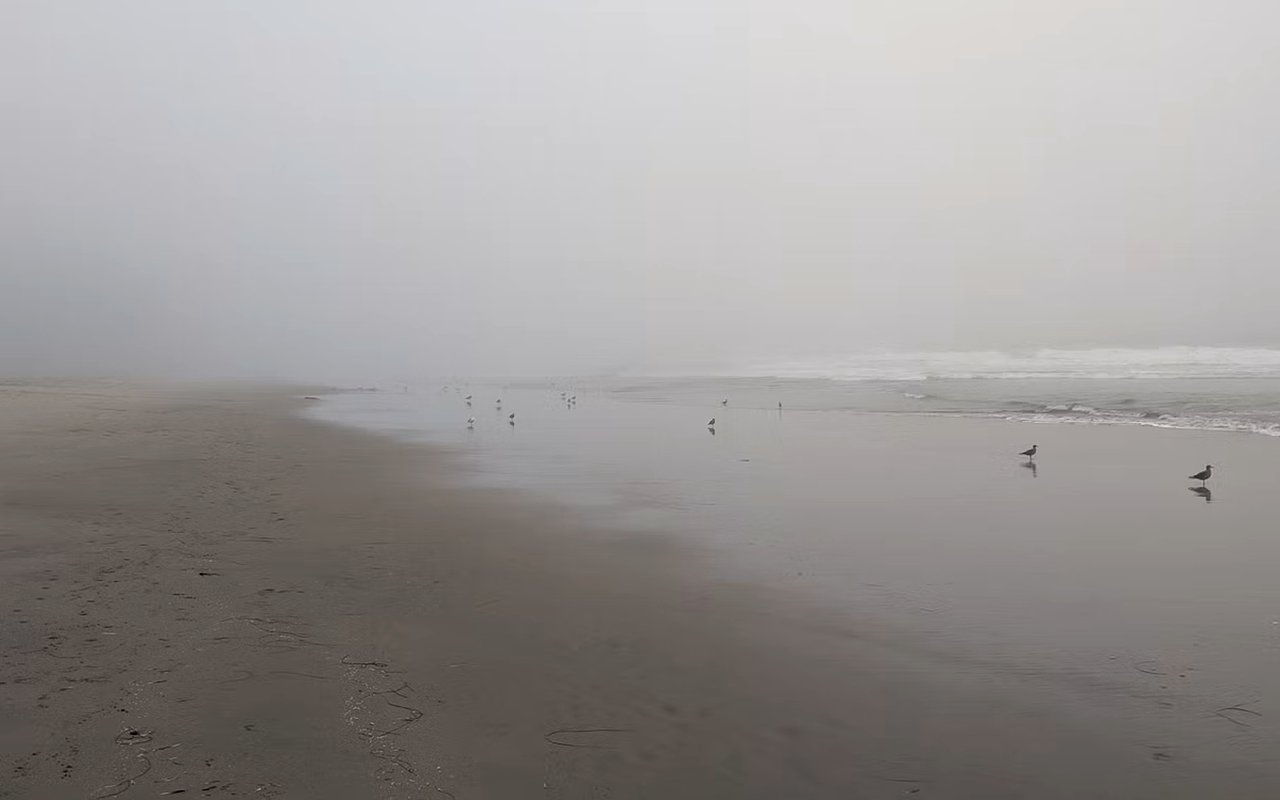
Marine fog rolls through the Peninsula's pine canopy nearly every morning, leaving surfaces damp well past sunrise and creating conditions that accelerate corrosion far more than an occasional rainy day would. Combined with salt mist drifting in from the bay, this daily moisture cycle is what makes maintenance here fundamentally different from an inland property. Understanding this as a constant rather than a seasonal concern changes how often certain maintenance actually needs to happen.
What Makes This Environment Different
- Fog moving through the area on a near-daily basis, not occasionally
- Salt mist drifting in from the bay as a regular, ongoing factor
- Surfaces staying damp well past sunrise on most mornings
- A maintenance cadence that needs to reflect daily exposure, not seasonal weather
Metal Corrosion: The Most Common Culprit
Window frames, railings, light fixtures, gutters, and HVAC units are all common targets for rust and corrosion in this environment, and an HVAC system that might last twenty years inland can see its lifespan cut roughly in half here without preventative care. Choosing corrosion-resistant materials like stainless steel, aluminum, or properly coated metals from the start makes a real difference over the life of a home. Regular rinsing to remove salt buildup is one of the simplest, most effective habits a homeowner can maintain.
Where Corrosion Shows Up Most
- Window frames, railings, and exterior light fixtures
- HVAC units, which can see significantly shortened lifespans here
- Gutters, flashing, and other exposed metal fasteners
- Outdoor furniture and hardware left unprotected
Windows: A Bigger Vulnerability Than Most Homeowners Realize
Salt spray can begin etching window glass permanently in as little as 24 hours after a windy day, which is a detail that surprises a lot of homeowners who assume glass simply needs an occasional cleaning. Homes with a direct bay view generally benefit from monthly window cleaning, while homes set further back can typically go two to three months between cleanings. Fiberglass window frames are worth considering specifically for their resistance to salt corrosion compared to standard materials.
What to Know About Coastal Windows
- Salt spray can permanently etch glass in as little as a day under the right conditions
- Monthly cleaning is generally recommended for homes with direct bay views
- Fiberglass frames resist salt corrosion better than many standard materials
- A quick rinse after a major storm helps regardless of a home's exact location
Roofs: Fog, Salt, and Pine Tannins All at Once
Roofs here deal with more than salt and moisture alone, since Monterey pines drop tannins onto wood-shake roofs while persistent fog encourages moss, lichen, and algae growth, particularly in shaded or tree-covered areas. Metal flashing, fasteners, and gutters are especially vulnerable to premature rust if they aren't made from corrosion-resistant materials. Regular debris removal and biannual inspections go a long way toward catching problems before they become expensive repairs.
What Peninsula Roofs Deal With
- Pine tannins from Monterey pines affecting wood-shake roofing specifically
- Moss, lichen, and algae encouraged by consistent fog and shade
- Metal flashing and fasteners needing corrosion-resistant materials
- Regular debris removal and biannual inspections as ongoing habits
Working Within Carmel's Village Character Rules
Carmel-by-the-Sea has its own village character ordinance that shapes what materials, colors, and profiles are actually allowed for exterior work, on top of any broader coastal zone review that may apply. This means maintenance and repair decisions here often require more coordination than they would in a less regulated community. Understanding these rules before starting any exterior project can save real time and avoid a costly do-over.
What to Confirm Before Exterior Work
- Whether Carmel's village character ordinance applies to your specific project
- Any additional coastal zone review required for shoreline-adjacent properties
- Board-approved colors and material profiles specific to your neighborhood
- Permit history on the home, especially for older or historic properties
FAQs
Is fog really that damaging, or is this overstated?
I'd say it's one of the most underestimated factors in owning a home here. The daily moisture cycle adds up in ways a single storm never would.
How often should we really be cleaning our windows?
It depends on how close you are to the water. I generally recommend monthly for homes with a direct bay view, and every couple of months for homes set further back.
Do all exterior repairs on the Peninsula require special approval?
Not all, but many do, especially in Carmel-by-the-Sea specifically. I always recommend checking before starting a project, since the rules here are more particular than most places.
Contact Stacey Scherling Today
Understanding what this environment actually does to a home is something I talk through with almost every client, whether you're buying, selling, or just maintaining your current home. I'm happy to walk through what a specific property might need based on its location and exposure.
Reach out to me,
Stacey Scherling, and let's talk about protecting your home here on the Peninsula.