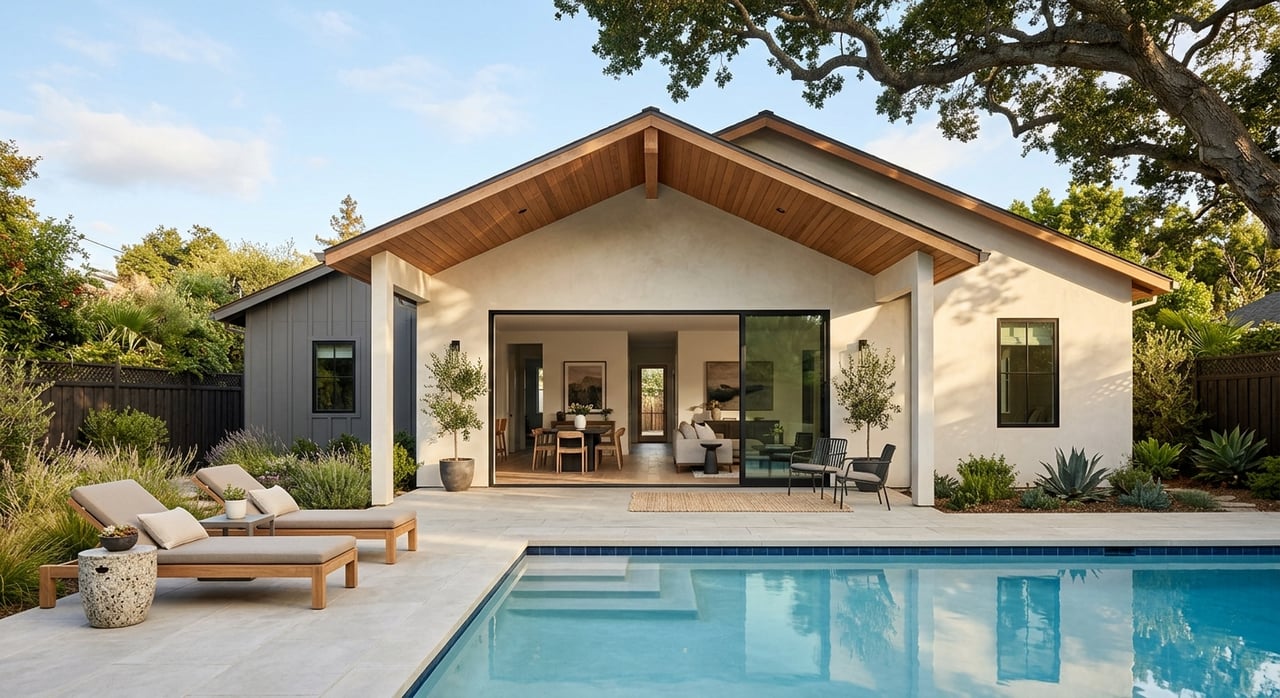
Sunny Carmel Valley Living: Microclimates, Homes, Lifestyle
June 4, 2026
June 4, 2026
Looking for a Monterey Peninsula lifestyle with more sun, less fog, and a little more breathing room? Carmel Valley Village stands out for exactly that reason. If you are weighing the coast against an inland setting, this guide will help you understand how Carmel Valley’s microclimate, housing pattern, and everyday lifestyle shape the experience of living here. Let’s dive in.
Carmel Valley is part of a classic inland-coastal transition zone, which helps explain why it often feels warmer and drier than nearby coastal communities. Monterey County’s Carmel Valley Master Plan describes the area as having a Mediterranean climate with warm, dry summers and mild, rainy winters.
The valley is influenced by nearby ocean air and daytime onshore winds, but it does not experience the same level of marine-layer fog as the immediate coast. County materials note that coastal areas have more moderate temperatures, while inland areas see more temperature extremes and considerably less rainfall.
That difference becomes easier to picture when you compare the coast to the inland valley. NOAA climate normals for the Monterey weather station show an annual mean maximum of 63.1 degrees, an annual mean minimum of 48.8 degrees, and 17.11 inches of annual precipitation. In practical terms, Carmel Valley buyers are often choosing sunnier afternoons and less fog, along with a bigger day-to-night temperature swing.
One of the most appealing parts of Carmel Valley living is how much the weather can influence your daily routine in a positive way. A sunny afternoon can make outdoor dining, gardening, hiking, or relaxing on a patio feel more available than it might closer to the coast.
At the same time, the area’s geography creates variation within the valley itself. The Carmel Valley Master Plan notes that the broader area rises from just above sea level near the ocean to more than 2,000 feet at surrounding ridgelines. That topography helps create distinct pockets of sun, wind, and temperature differences from one property to another.
For you as a buyer, that means a home tour in Carmel Valley should include more than the house itself. It is worth paying close attention to sunlight, exposure, evening cool-down, and how the setting feels at different times of day.
Carmel Valley’s housing pattern is closely tied to county land-use planning. Monterey County describes the area as primarily rural residential, along with small-scale agricultural pursuits and some more concentrated residential areas such as condominiums or visitor accommodations.
The county also notes that residential development clusters around a few main areas, including the vicinity of Carmel Valley Village. Between those developed pockets, planning policy is designed to preserve rural character, open-space character, viewsheds, and watershed protection.
That helps explain why the housing stock often feels spacious and varied. Buyers commonly encounter custom single-family homes, ranch properties, acreage parcels, and homes oriented toward valley views, along with occasional smaller clustered housing near the village.
In Carmel Valley, views are not just a nice extra. They are a core part of how the market is shaped. The county plan notes that major views are seen primarily from the Carmel Valley Road and Laureles Grade corridors, and many homes enjoy views down one side of the valley or the other.
This view-oriented pattern affects both lifestyle and home search strategy. If you are drawn to long ridgeline vistas, sunlit hills, or a sense of openness, the setting itself may be one of the strongest reasons to buy here.
It also means two homes with similar square footage can feel very different in person. Orientation, lot placement, and relationship to the landscape can have a major impact on how a property lives day to day.
Carmel Valley’s broader residential profile supports its reputation for space and privacy. Census Bureau data for the larger Carmel Valley county subdivision reports 6,189 residents, 3,106 housing units, and 189.1 square miles of land area.
That broader geography is larger than Carmel Valley Village alone, but it still offers useful context. The area reads as low-density and spread out, which is part of the appeal for buyers who want a more rural feel while staying connected to the Monterey Peninsula.
For many people, this creates a different kind of luxury. It is less about being in the middle of everything and more about having room, light, views, and a quieter everyday setting.
Carmel Valley offers a lifestyle that feels active, scenic, and relaxed. Outdoor access is one of the area’s biggest strengths, and it is supported by major regional parkland close to the village.
Garland Ranch Regional Park is a standout local asset. The Monterey Peninsula Regional Park District describes it as a 3,600-acre park ranging from about 200 to 2,000 feet in elevation, with hiking, horseback riding, jogging, bird watching, and limited mountain biking.
Palo Corona Regional Park adds even more open-space access. The park district says it is part of a roughly 10,000-acre conservation effort, and access through the Rancho Cañada unit does not require an access permit, while some other entrances do.
That means the Carmel Valley lifestyle is not only about private land or large lots. It is also about access to public open space, trail systems, and a landscape that supports regular time outdoors.
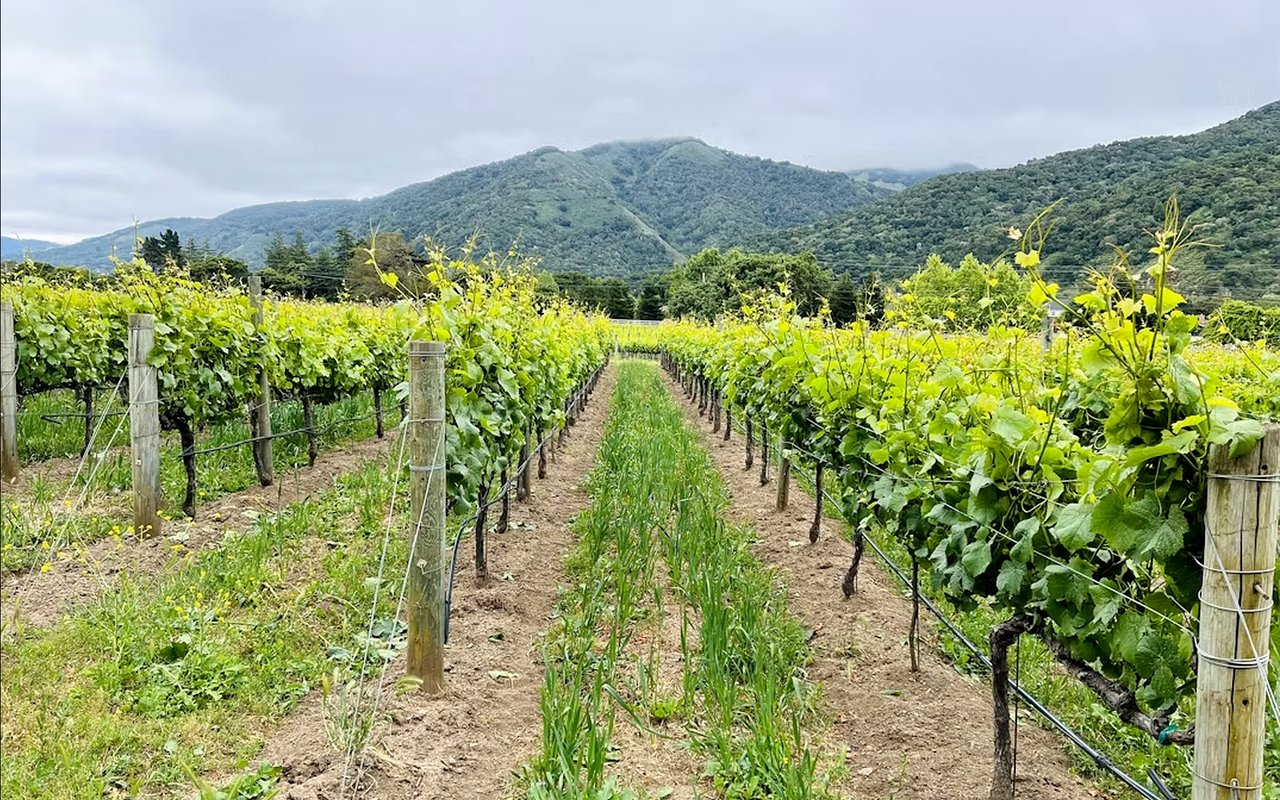
Carmel Valley Village and nearby corridors are also known for tasting rooms and wineries. Local listings for the Carmel Valley area include names such as Georis Winery, Heller Estate Vineyard, Joyce Vineyards, Twisted Roots Winery, Holman Ranch, Parsonage Vineyards, Joullian’s Winery, Boekenoogen Wines, Chock Rock Vineyards Tasting Room, and Idle Hour Wine Tasting Room.
This gives the area a distinct identity within the Monterey Peninsula. It feels less like a purely coastal market and more like a blend of residential living, trail access, and wine-country leisure.
For second-home buyers, relocators, and full-time residents alike, that combination can be a meaningful draw. Your weekends and even ordinary weekdays can feel shaped by scenery, outdoor recreation, and casual village-centered experiences.
Carmel Valley’s appeal comes with a few practical considerations that matter during a purchase. Monterey County states that new development must comply with floodplain, drainage, and groundwater-supply regulations, and projects can be deemed incomplete if those impacts are not adequately addressed.
Floodplain review is especially important in parts of the valley. The county says Carmel Valley floodplain rules are intended to protect the Carmel River corridor, preserve visual quality and habitat value, and maintain the rural character of Carmel Valley while reducing flood risk.
Water is another important due-diligence topic. The Monterey Peninsula Water Management District serves portions of unincorporated Monterey County, including Carmel Valley, and focuses on supply, conservation, reuse, and environmental stewardship.
If you are considering new construction or a major remodel, it is wise to expect water-related review as part of the process. Understanding these factors early can help you make a more confident and informed decision.
If part of your plan involves rental income, local rules deserve close attention. Monterey County’s current vacation-rental rules state that commercial vacation rentals are prohibited in residential zoning districts in the Carmel Valley Master Plan.
The county treats homestays and limited vacation rentals as separate categories with different rules. For second-home buyers especially, that distinction is worth understanding before you buy.
This is a good reminder that lifestyle purchases still benefit from careful local guidance. A home that feels perfect for your personal use may not align with the rental strategy you had in mind.
Carmel Valley offers a scenic, inland, more rural-feeling alternative to the coast, but that setting comes with a practical tradeoff. The Carmel Valley Master Plan identifies Carmel Valley Road and Laureles Grade Road as the principal access routes into the valley.
In other words, driving is part of everyday life here. For many buyers, that is an easy exchange for more sunshine, larger parcels, and a setting that feels peaceful and open.
The key is knowing your priorities. If you want a village-adjacent lifestyle with warmer afternoons, trail access, winery culture, and a distinctly rural-residential character, Carmel Valley Village may feel like a very natural fit.
Carmel Valley is not trying to be the coast, and that is exactly the point. Its charm comes from the sun, the landscape, the views, and the way daily life opens up when you have a little more space and a little less fog. If you are exploring Carmel Valley Village as a primary home, second home, or relocation destination, working with a local advisor can help you compare microclimates, property settings, and practical ownership factors with confidence. When you are ready to explore the valley, connect with Scherling Properties.
Stay up to date on the latest real estate trends.
A Look at Carmel Valley Real Estate and Everyday Life.

A Guide to Pebble Beach Golf and the Wider Monterey Peninsula.

An Insider's Guide to the Pebble Beach Concours d'Elegance.

What to Know About Buying Pebble Beach Real Estate.
A Practical Guide to Coastal Home Maintenance on the Monterey Peninsula.
Everything to Know About Driving 17-Mile Drive in Pebble Beach.
Get assistance in determining current property value, crafting a competitive offer, writing and negotiating a contract, and much more. Contact Stacey today.