By Stacey Scherling
There is a reason buyers travel from across the country and the world to tour homes in Carmel-by-the-Sea before they ever speak to an agent. The architecture here is unlike anything else in California. The storybook cottages designed by Hugh Comstock in the 1920s and 1930s, the Arts and Crafts bungalows, the Tudor Revival stone homes, the Spanish Colonial adobes — every block of the village reads like a curated catalog of early twentieth-century craft and vision. Living in Pebble Beach and working in this market every day, I have watched buyers fall in love with these homes within minutes of walking through a Dutch door. What takes longer is understanding how to design their interiors in a way that honors what makes them special. Here is what I have observed works.
Key Takeaways
- Carmel's residential architecture is defined by natural materials: Carmel stone, redwood, cedar, exposed beam ceilings, and handcrafted fireplaces
- Timeless design in a Carmel home works with the architecture rather than against it, building on original features rather than concealing them
- The most common renovation mistake is treating original character-defining features as problems to solve rather than assets to amplify
- Coastal materials that develop patina over time, stone, wood, copper, linen, outperform synthetic alternatives in both appearance and durability in the Peninsula climate
Start With What Is Already There
The best design decisions in a Carmel cottage begin with a careful look at what the home already has. Open beam ceilings, stone fireplaces, original hardwood or brick floors, arched doorways, Dutch doors, built-in cabinetry — these are the elements that make a Carmel home worth what it sells for. They are irreplaceable in the truest sense, because the craftsmanship required to produce them no longer exists at the same cost or scale.
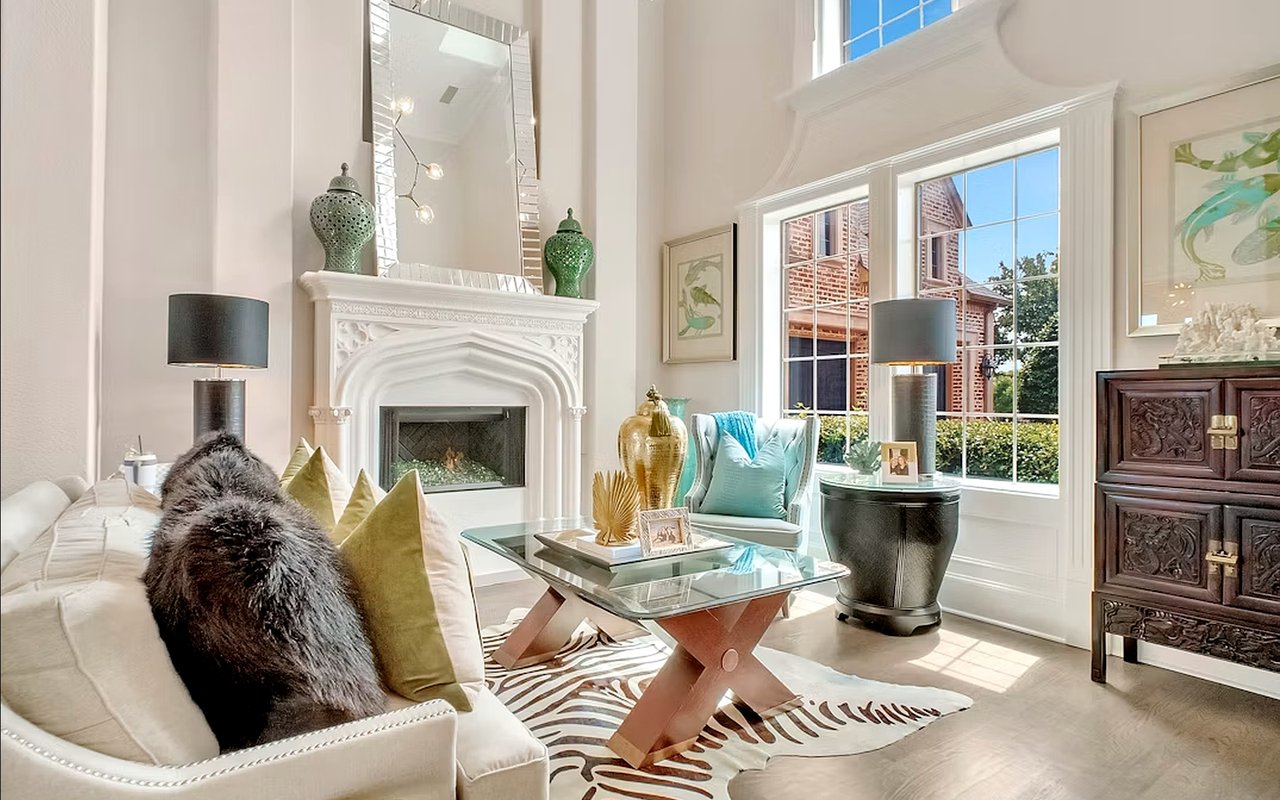
The right approach is to identify what gives the space its character and build outward from there. If the living room has a stone fireplace, that fireplace is the anchor. Everything else, furniture placement, palette, materials, lighting, should be chosen in relation to it. The fireplace does not need to compete with the room. It is the room.
Original features worth restoring rather than replacing
- Exposed wood beams: Refinishing rather than replacing preserves the original material while refreshing the appearance. Sanding, restaining in a warm tone, and sealing beams transforms a space without losing the authenticity of the old growth wood.
- Stone and brick fireplaces: These are the architectural anchors of most Carmel cottages. Keeping the original structure intact, even when updating surrounding walls with cleaner finishes, preserves the focal point that buyers specifically seek.
- Original hardwood and brick floors: Restoration almost always outperforms replacement in Carmel homes. Refinished original floors have a depth and character that new materials cannot replicate.
- Arched doorways and Dutch doors: These are signature Carmel elements that buyers notice immediately and remember. They should be treated as defining features, not obstacles to modernization.
Choose Materials That Belong to the Coast
One of the things that separates a Carmel interior that photographs beautifully and holds its character over decades from one that looks dated within a few years is the choice of materials. The Peninsula climate, with its salt air, coastal fog, and humidity, treats materials differently than an inland California home would. What performs here and what looks right here are closely related.
Cedar, redwood, copper, Carmel stone, and clay tile all develop a patina in the coastal environment that complements the village's aesthetic rather than fighting it. Engineered hardwood performs well under Carmel's humidity conditions. High-gloss synthetics and chrome finishes show wear more quickly, and they register as out of place against the handmade quality of the architecture.
Material choices that suit Carmel homes
- Natural stone for countertops, flooring, and accent surfaces. Leathered and honed finishes read as more appropriate to the cottage character than polished, high-gloss stone.
- Warm-toned wood throughout. White oak is the leading choice for new installations in 2026, pairing well with the existing warm tones of older redwood and cedar. Walnut works well for furniture and cabinetry.
- Plaster walls in soft, warm whites and sand tones. These respond naturally to the light quality in Carmel, which shifts through the day with the fog and coastal atmosphere in ways that are genuinely beautiful.
- Linen, wool, and cotton textiles for upholstery, curtains, and layered bedding. These materials age gracefully and suit the cottage scale and sensibility.
- Matte brass and unlacquered copper hardware. These finishes develop warmth over time rather than tarnishing in ways that require constant maintenance.
Work With Carmel's Light
Carmel's light is one of the reasons artists settled here in the early twentieth century, and why the village retains a creative, visually attuned community to this day. The coastal fog creates a soft, diffuse quality that changes through the morning, and the afternoons often carry a particular golden quality when the fog clears. Interior design decisions that account for this specific light character produce rooms that look right at every hour of the day.
Lighting and palette choices calibrated to Carmel's coastal light
- Warm, layered lighting at a color temperature of 2700 to 3000 Kelvin suits the cottage interior and complements wood and stone materials without bleaching them out
- Soft plaster or warm white walls respond to changing light in ways that cooler, brighter whites do not; the former add depth, while the latter can look flat or clinical on overcast days
- Minimal window treatments that preserve the view and the quality of natural light coming in; simple linen panels or interior shutters suit the cottage scale better than heavy drapery
- Pendant and sconce lighting over recessed overhead fixtures; Carmel cottages were designed for lamp light and intimate illumination, and the architecture communicates that expectation
The Outdoor Connection
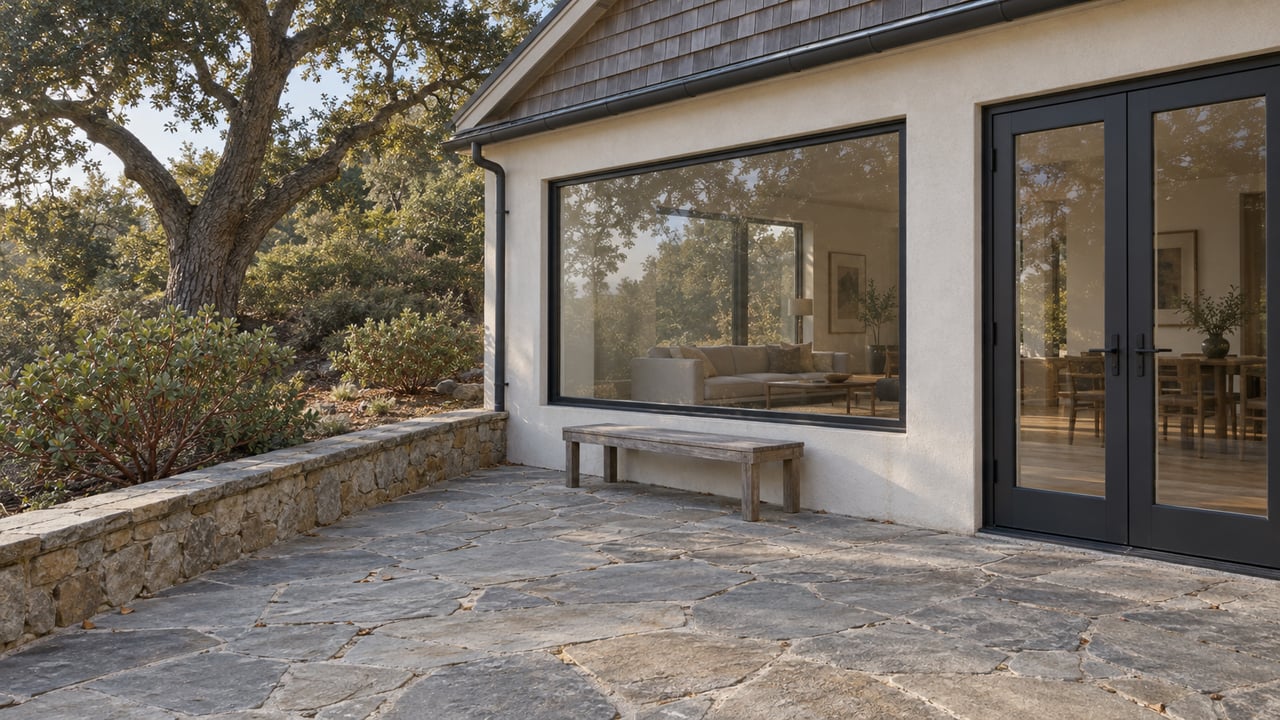
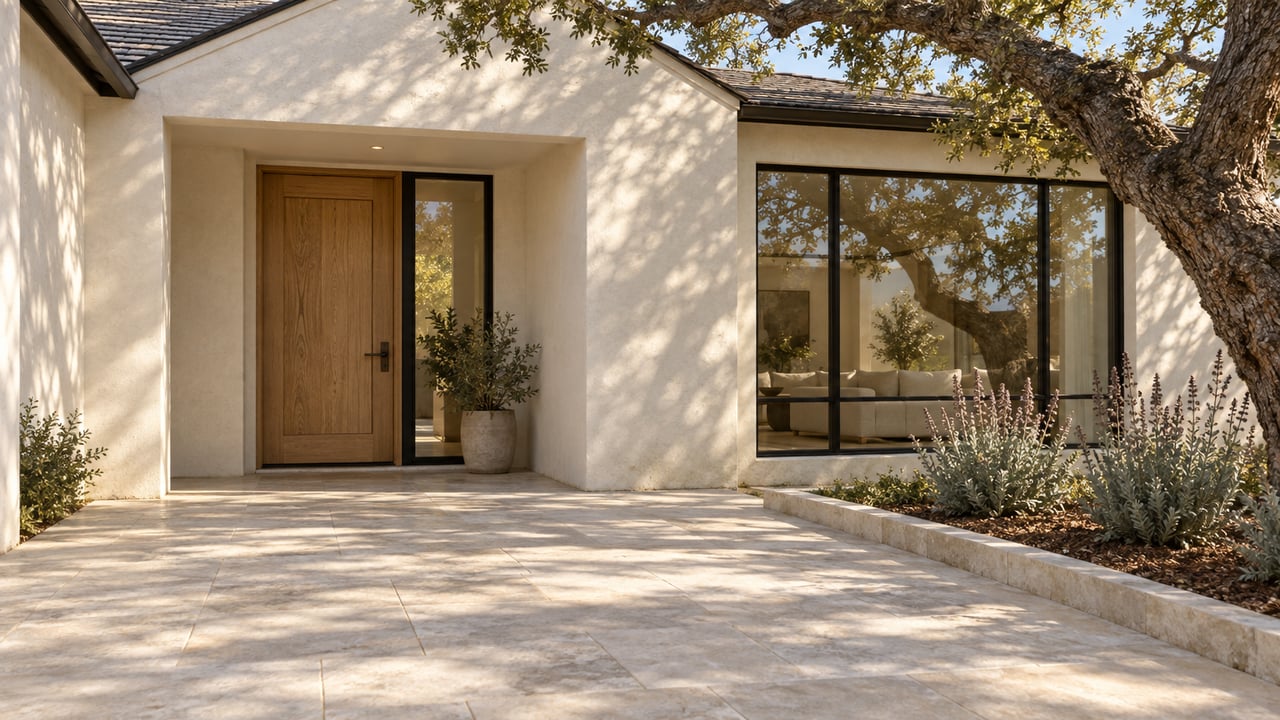
Every Carmel cottage worth its character has a relationship between inside and outside that is part of its design logic. Gardens and patios were conceived as extensions of the living space, with stone pathways, native plantings, and winding approaches that bring the natural landscape directly to the threshold.
Honoring this connection in the interior means treating windows and doors as frames rather than barriers. A window seat positioned to capture a garden view, a reading corner oriented toward the courtyard, a dining table placed to look out at the cypress trees — these spatial decisions cost nothing to make and add immeasurably to how a home feels to live in.
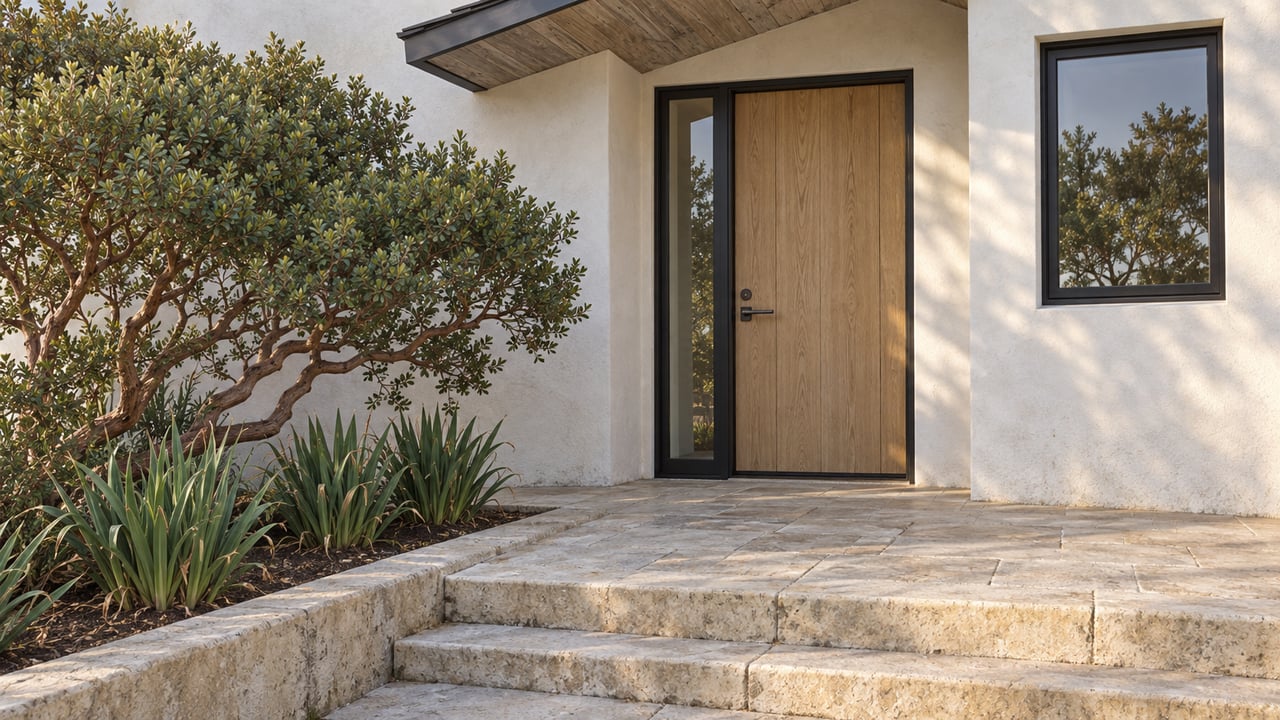
For new outdoor additions, locally sourced stone and native Monterey Peninsula plantings, including ceanothus, salvia, and ornamental grasses, maintain the materials vocabulary of the village and require minimal irrigation once established.
FAQs
What makes a design choice "timeless" in a Carmel home?
In Carmel, timeless design is almost always rooted in authenticity to the materials and craft of the original architecture. Choices that work with the handmade quality of the cottage, natural materials, warm palettes, simple forms, connection to the outdoors, tend to look better over decades rather than worse. Choices that impose a contemporary aesthetic that conflicts with the architecture's character tend to date quickly.
Should I renovate the interior of a historic Carmel cottage or preserve it as found?
The most successful approach in my experience is updating systems, finishes, and function while preserving original architectural features. The character-defining elements of a Carmel cottage are precisely what create value. Buyers are not looking to undo what makes these homes special. They are looking for someone who has cared for those qualities while making the home genuinely comfortable to live in.
How does Carmel's climate affect interior design decisions?
The Peninsula's salt air and coastal humidity require material choices that either perform well in those conditions or age gracefully within them. Natural materials, stone, wood, copper, plaster, linen, consistently outperform synthetic alternatives in coastal climates. They also happen to suit the aesthetic of the homes far better, which is one of those cases where the practical and the beautiful align.
Find Your Carmel Home With Scherling Properties
I live in Pebble Beach, I work in this market every day, and I have a genuine love for the architecture and lifestyle of the Monterey Peninsula. Whether you are searching for a cottage to make your own or preparing to sell one you have loved for years, I bring local expertise and real care to every conversation.
Reach out to me to
learn more about how I work with buyers and sellers in Carmel.