By Stacey Scherling
Curb appeal in Carmel is a different conversation than curb appeal almost anywhere else. The homes here sit within one of the most beautiful natural environments in the world, and the landscapes that perform best are the ones that feel like they belong to this place rather than fighting it. Salt air, fog, coastal wind, and the peninsula's distinct microclimates all shape what thrives here and what does not. After years of working with buyers and sellers across Carmel-by-the-Sea and Pebble Beach, here is what I tell clients who want their property to look its best.
Key Takeaways
-
Native and climate-appropriate plants perform dramatically better than generic landscaping in Carmel's coastal conditions
-
Salt air, fog, and coastal wind require specific maintenance approaches that differ from inland California gardening
-
First impressions in Carmel's market are formed before a buyer steps through the door — landscape quality directly affects perceived home value
-
Water conservation is both a practical necessity and an expected standard in Monterey Peninsula landscaping
Understand the Coastal Microclimate Before Choosing Plants
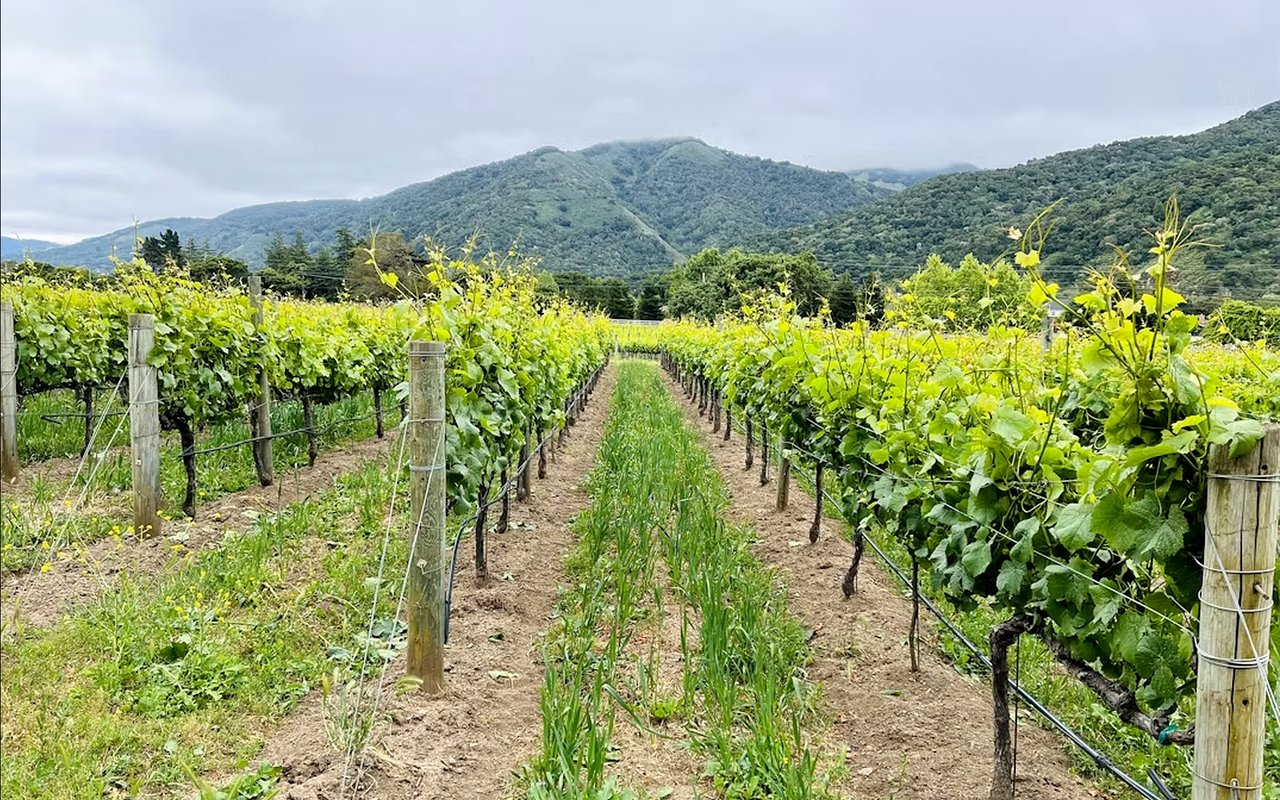
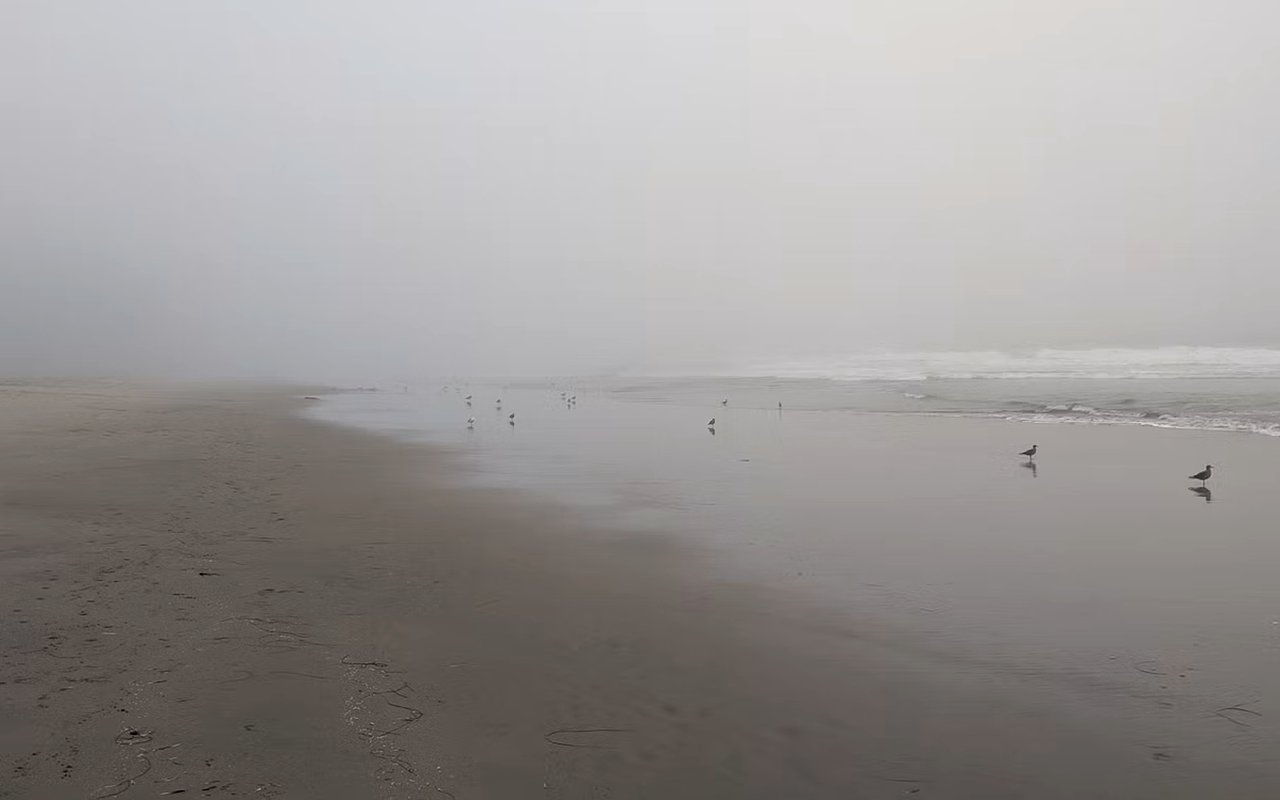
Carmel and Pebble Beach sit within one of California's most particular microclimates. The marine layer brings consistent moisture and cool fog-wrapped mornings that plants from inland California cannot handle. Salt air and coastal wind are hard on plants not selected with those conditions in mind. A landscape designed for Sacramento or even San Jose will fail on the Monterey Peninsula.
Native species like California poppy, coastal lupine, seaside daisy, and Ceanothus thrive with minimal intervention. Lavender, rosemary, and other Mediterranean species perform well here too. The goal is a landscape that looks intentional and beautiful while requiring less maintenance than imported choices that will struggle from the start.
Plants that consistently perform in Carmel and Pebble Beach:
-
California poppy, coastal lupine, and seaside daisy: native species that return reliably and require minimal water
-
Ceanothus (California lilac): striking spring bloom, drought-tolerant once established
-
Lavender and rosemary: low-maintenance, fragrant, and attractive to pollinators
-
Ornamental grasses: move beautifully in coastal wind and add structure to beds and borders
-
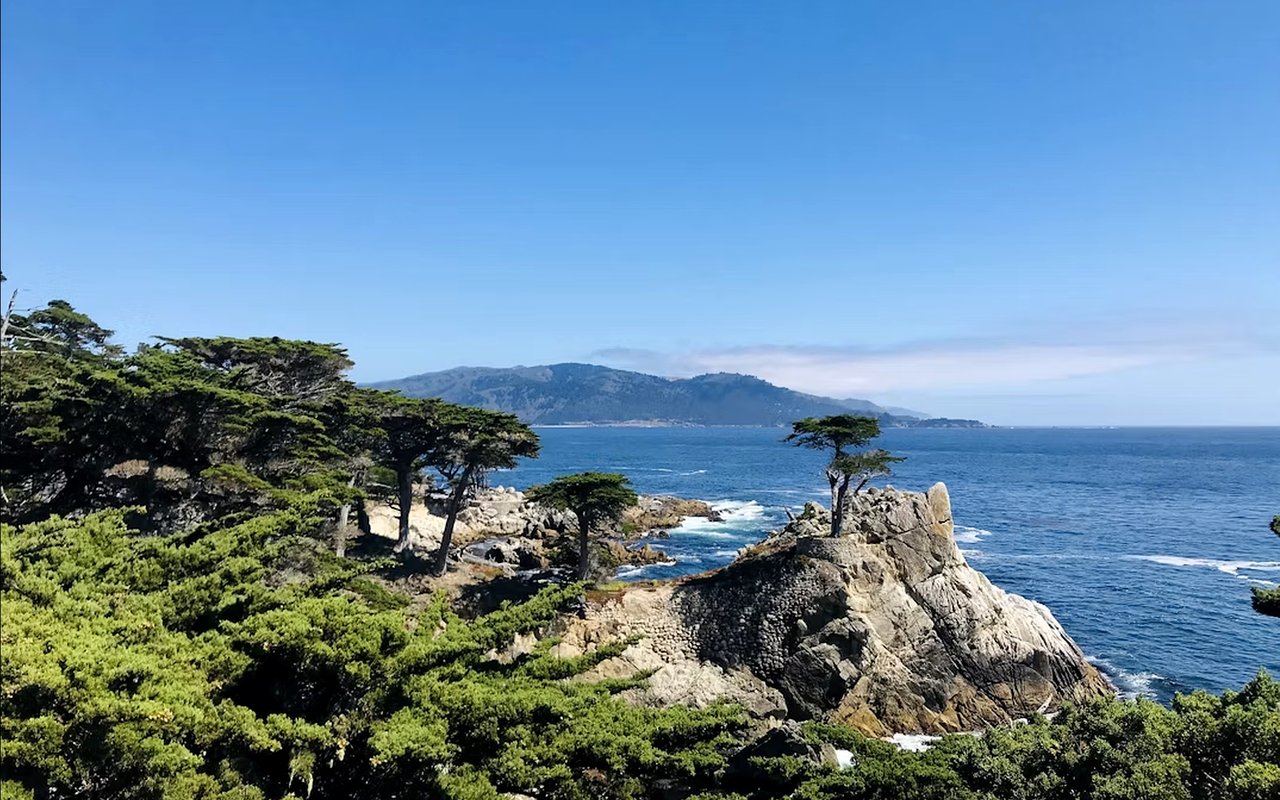
Monterey cypress and pine: the defining plants of the Carmel landscape when scale allows
Focus on the Entry: Where Curb Appeal Is Made or Lost
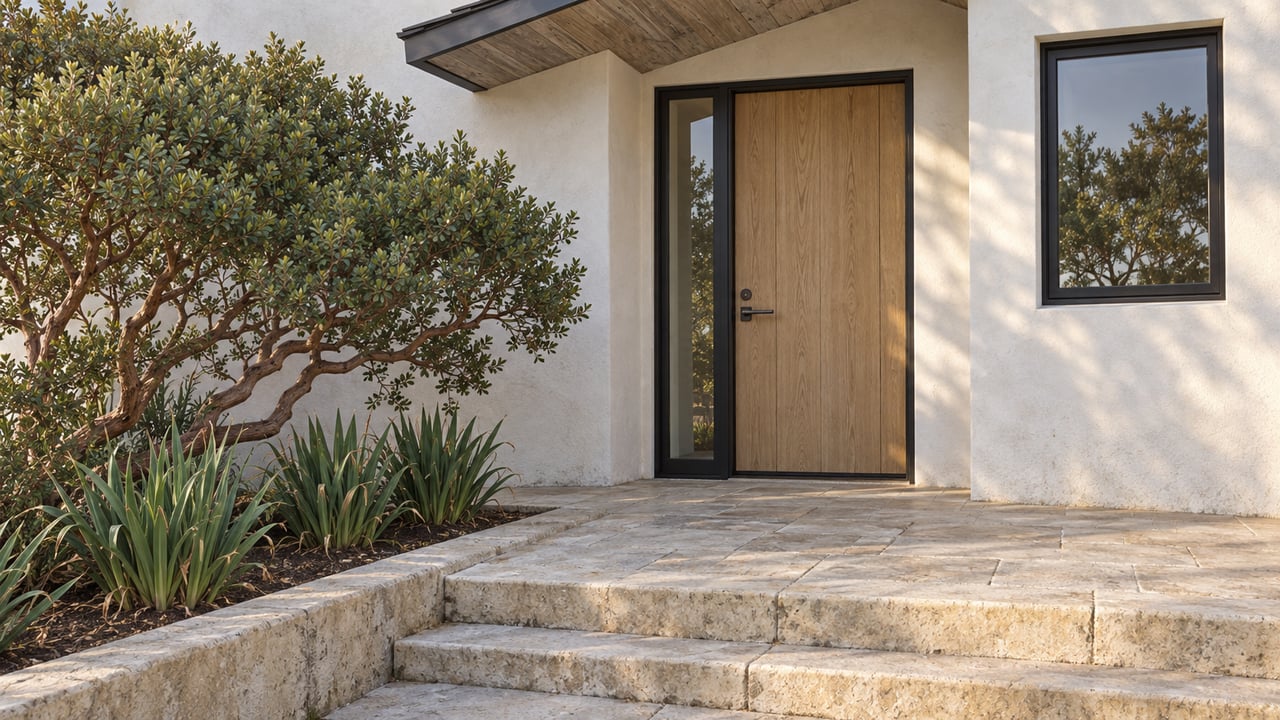
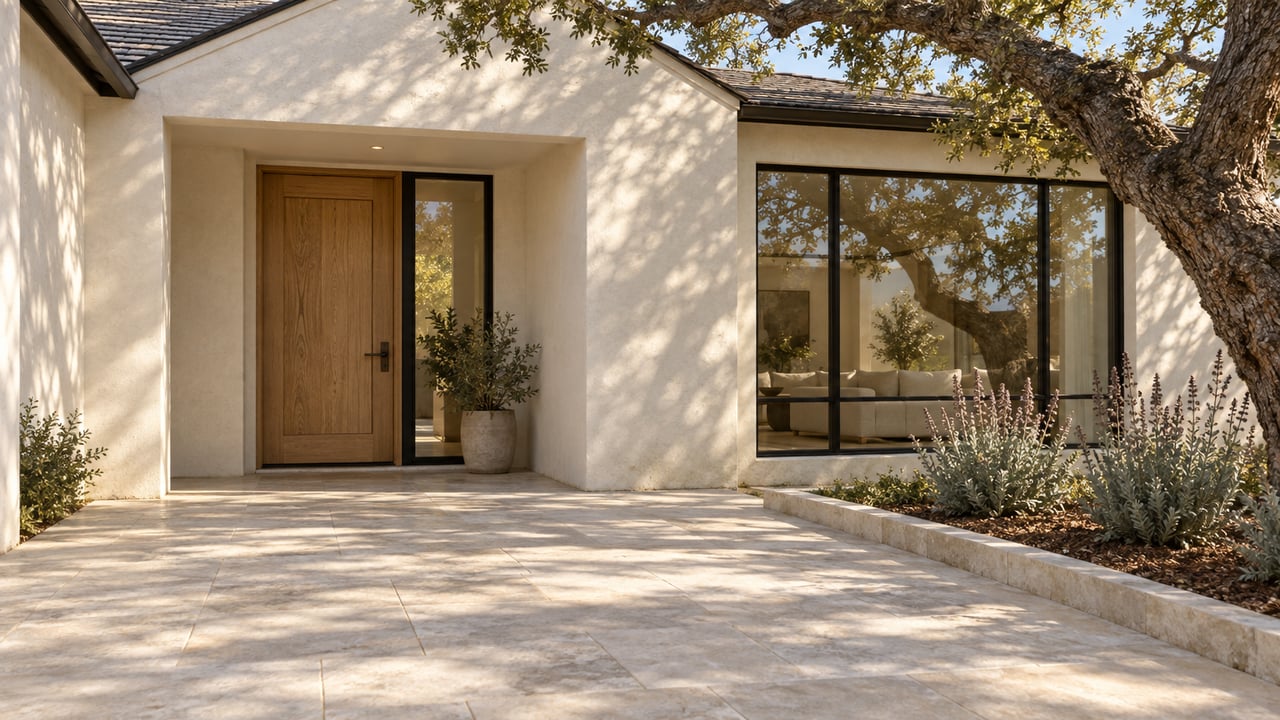
In Carmel's market, the entry experience sets the tone for everything that follows. A well-composed front garden, a clear walkway, and a front door that reads as cared-for can meaningfully shift a buyer's perception before they have seen a single interior room. This is where landscaping investment returns most reliably.
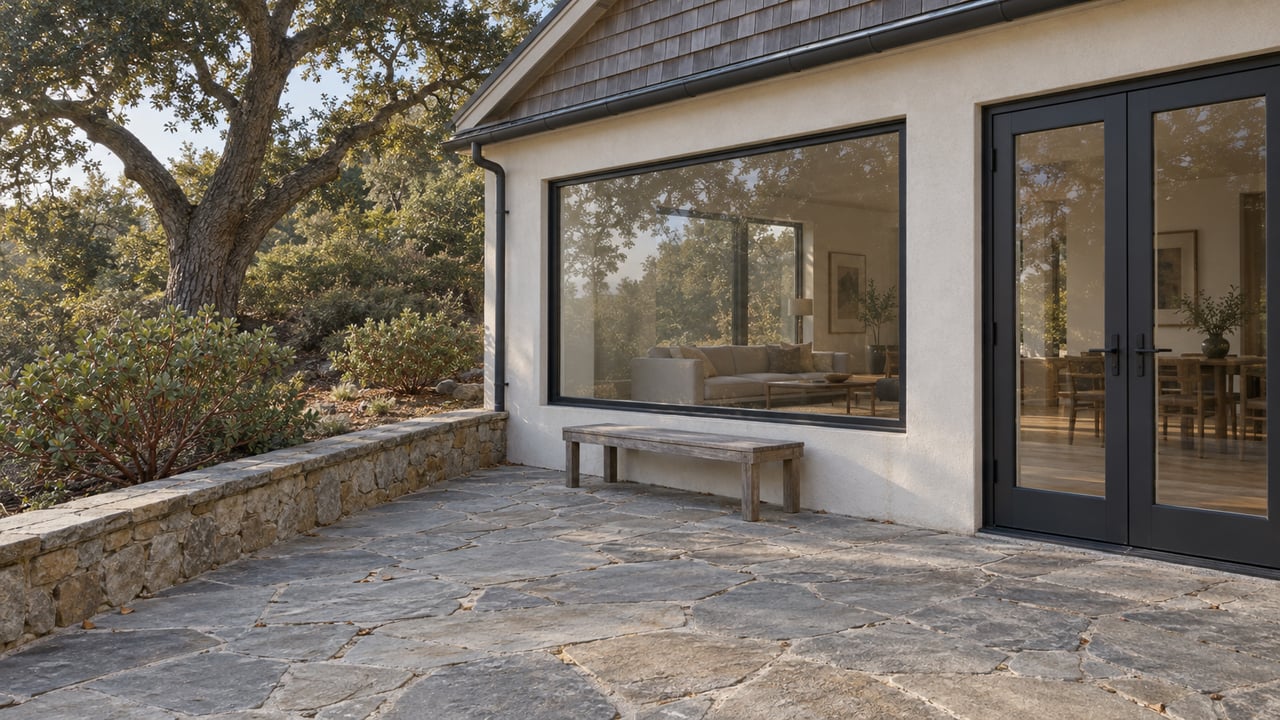
Carmel's storybook cottages, craftsman details, and European-influenced stonework respond best to landscaping that complements rather than competes. In Pebble Beach, where properties are larger and the forest setting more prominent, a cleaner and more structured approach often reads better. The most compelling entries feel like they grew from the property rather than being installed to impress.
Entry landscaping priorities that deliver the clearest return:
-
Clear the path: edged, clean walkways from street to door are the single most impactful improvement
-
Define the planting beds: sharp edges between turf or gravel and planting areas signal care
-
Front door: fresh paint and new hardware compound the effect of any landscape improvement
-
Seasonal color near the entry: potted plants in bloom signal that the property is actively maintained
Address Salt Air and Wind Damage
Salt air deposits on leaf surfaces cause browning and tip damage on plants not adapted to coastal conditions. Coastal wind increases moisture loss and can physically damage plants with weaker structure. These are ongoing conditions a well-designed landscape anticipates rather than fights.
Hedges and screening plants — Escallonia and Pittosporum perform well on the peninsula — reduce wind exposure for more delicate plants behind them. Regular rinsing of foliage with fresh water reduces salt accumulation. Deep mulching conserves moisture and moderates soil temperature.
Maintenance practices that protect coastal landscapes:
-
Deep mulching of all planting beds: conserves moisture, moderates root temperature, and reduces weeds
-
Regular light irrigation during dry periods, even on fog-supported sites
-
Annual pruning of coastal shrubs after bloom to maintain form and encourage fresh growth
-
Rinse foliage with fresh water after extended dry, windy periods
Water Conservation: A Value, Not Just a Requirement
Water conservation on the Monterey Peninsula is an expectation woven into how residents approach property maintenance. Buyers notice irrigation efficiency, and sellers who have transitioned to drought-tolerant or low-water plantings are telling a story of responsible stewardship that resonates with buyers who want to live here.
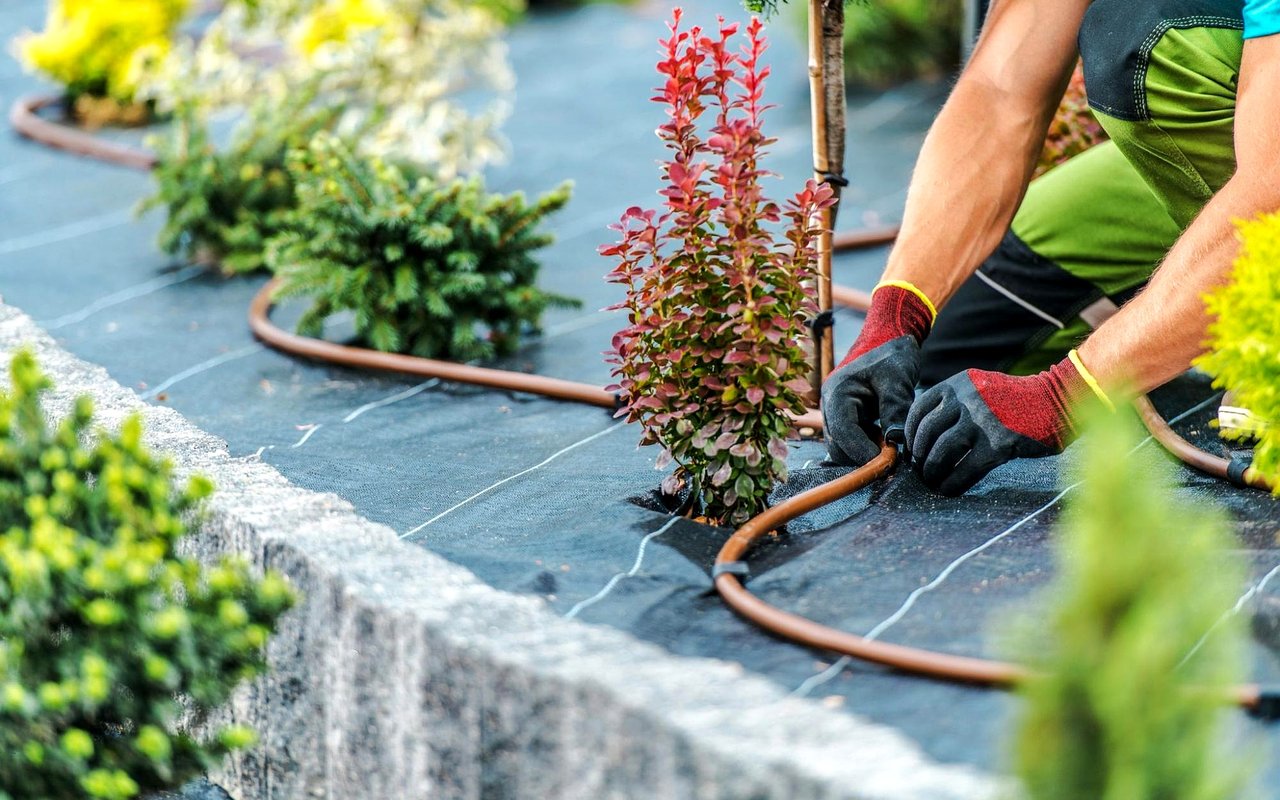
Drip systems timed to plant needs dramatically reduce water use without sacrificing plant health. Converting lawn areas to planted beds or decomposed granite with native ground covers reduces both water demand and maintenance time.
Water-wise landscaping choices with the strongest curb appeal impact:
-
Native and Mediterranean plant selections requiring little or no supplemental irrigation once established
-
Drip irrigation over overhead spray: reduces water use and fungal issues in the coastal fog environment
-
Decomposed granite or natural mulch pathways in place of lawn where foot traffic is light
-
Removal of non-adapted lawn grass in favor of ground covers or planted beds
FAQs
What native plants work best for Carmel and Pebble Beach curb appeal?
Ceanothus brings a spectacular spring bloom, California poppy self-seeds freely, and seaside daisy creates low mat-forming color along borders. For structure, manzanita and toyon thrive on the peninsula. Native bunch grasses like Festuca californica add texture. The UC California Native Plants database is a reliable resource for plant selection guidance tailored to Monterey Peninsula microclimates.
How important is curb appeal when selling a Carmel home?
Very important, and perhaps more so than in most markets. Buyers arrive with sophisticated aesthetic expectations, and the first impression a property makes — from the street, walking up the path, approaching the door — shapes everything that follows inside. I consistently advise sellers to address their exterior and entry landscape before professional listing photography.
Should I hire a landscape professional in Carmel, or is this a DIY market?
The coastal conditions, water management requirements, and architectural character of most Carmel and Pebble Beach properties make professional guidance worth the investment for any significant landscaping project. A local contractor familiar with the peninsula's microclimates and plant communities will produce results that generic landscaping services cannot.
Sell Your Carmel Home With Scherling Properties
Landscape and curb appeal are among the first conversations I have with sellers preparing to list. I know what buyers in this market respond to and what preparation makes a measurable difference. If you are thinking about listing your Carmel or Pebble Beach home, I would love to walk through the property with you.
Reach out to me to
learn more about how I prepare and position homes for sale in Carmel.