By Scherling Properties
A guest room that earns compliments is not usually the one with the most expensive furniture. It is the one where visitors feel like someone actually thought about them. The bed is made up properly, there is somewhere to put a suitcase, the light is good, and the room has a settled, considered quality that makes it easy to exhale. On the Monterey Peninsula, where many homeowners host friends and family traveling specifically to spend time here, a well-designed guest room is part of the hospitality the house offers. Here is how to build one that people genuinely remember.
Key Takeaways
-
The bed and bedding are the foundation — quality here matters more than anything else
-
Storage and practical amenities remove friction for guests during their stay
-
Lighting should be layered to serve both nighttime wind-down and morning routines
-
A calm, cohesive color palette helps the room feel restful and intentional
-
Small hotel-style touches make a significant difference in how welcome guests feel
Start with the Bed
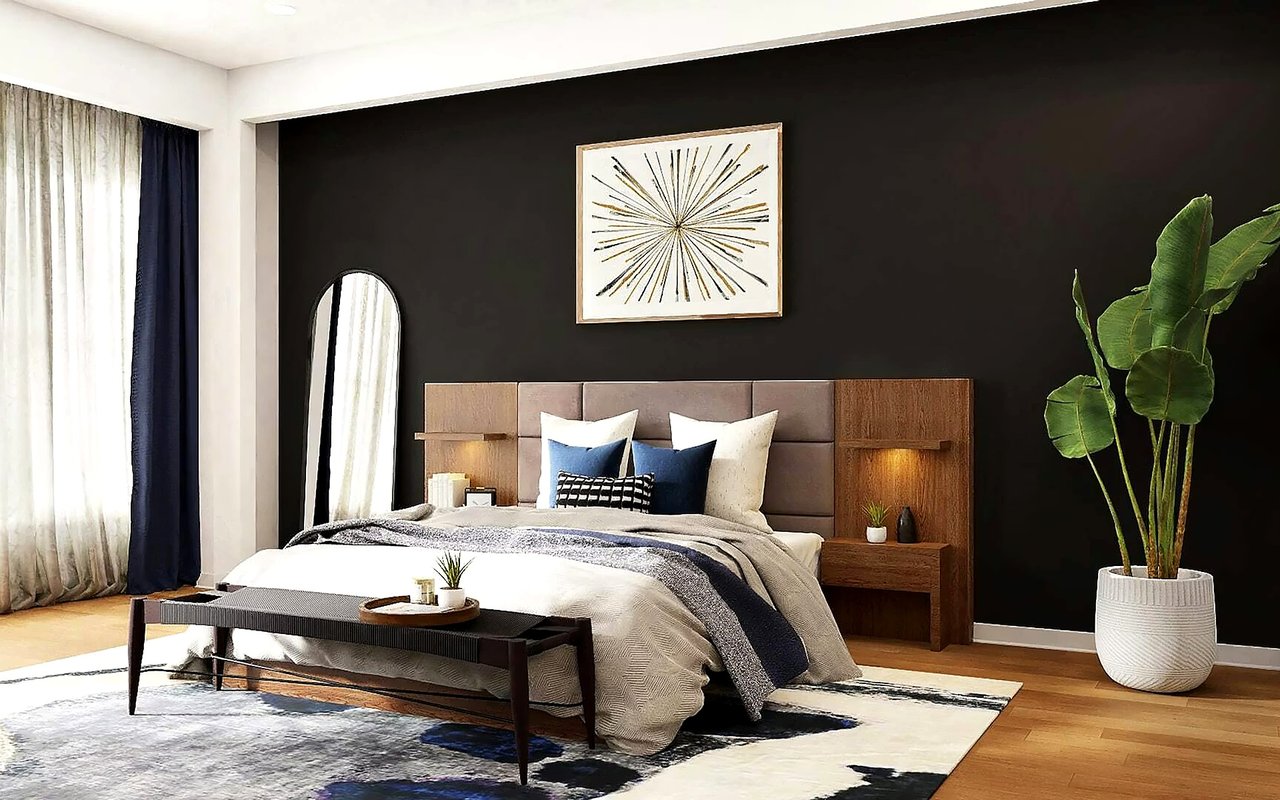
The bed is the centerpiece of the guest room, and it is where the experience of staying begins and ends. A quality mattress suited to a range of sleep preferences, high-thread-count cotton sheets, a plush duvet, and a variety of pillow options — from firm to soft — give guests the ability to set up the sleep environment that works for them. This is not about spending the most money; it is about paying attention to the things that actually matter at 11 p.m. when your guests are settling in.
Bedding essentials for a guest room that impresses:
-
A quality mattress with medium firmness that suits most sleepers
-
Cotton percale or linen sheets in a neutral, crisp colorway
-
A plush duvet with a washable cover for easy refreshing between visits
-
A minimum of four pillows with different fill weights available
-
A folded extra blanket at the foot of the bed for guests who run cold
Give Guests Somewhere to Put Their Things
Nothing makes a guest feel less at home than living out of a suitcase on the floor for three days. A luggage rack beside the bed or dresser, a few empty drawers, and a small section of the closet with hangers available are all it takes. The goal is to make it easy for visitors to unpack and settle in without having to ask where anything goes.
A bedside table on each side of the bed — with a lamp, a small surface for a phone or book, and access to a charging cable — removes the most common friction points guests encounter in the first hour of arriving.
Storage and organization basics for guest comfort:
-
A luggage rack so bags are never left on the floor
-
Two to four empty dresser drawers available for clothing
-
Several hangers in the closet plus a hook on the back of the door
-
Bedside tables on both sides of the bed with surface space and a lamp
-
A visible charging station or USB port for phones and devices
Get the Lighting Right
Overhead lighting alone is rarely enough in a guest room. The room needs to work for a range of situations: reading in bed before sleep, getting ready in the morning, and finding things in the middle of the night. Layered lighting — a warm overhead fixture on a dimmer, bedside lamps with adjustable brightness, and a mirror with good directional light nearby — covers all of those scenarios without asking guests to fumble with switches in the dark.
Soft, warm bulbs (2700–3000K) make the room feel restful rather than clinical. A nightlight near the floor or a small lamp that can be left on low overnight is a thoughtful addition for guests who are unfamiliar with the layout of the house.
Lighting checklist for a well-designed guest room:
-
Overhead fixture on a dimmer for flexible ambient light
-
Two bedside lamps with adjustable brightness for reading
-
A mirror positioned near natural light or with its own directional lamp
-
Warm-toned bulbs throughout to maintain a restful atmosphere
-
A low-level nightlight for middle-of-the-night navigation
Choose a Calm, Cohesive Color Palette
Guest rooms tend to work best when they feel settled and restful rather than bold or highly personalized. A neutral base — warm whites, soft taupes, pale greiges, or muted coastal tones — gives the room a quality that photographs well and reads as intentional without demanding attention. Texture and layering add depth without visual complexity.
On the Monterey Peninsula, where the natural palette outside is cypress green, ocean blue, and pale coastal fog, interiors that reference those tones tend to feel connected to the landscape in a way that guests immediately respond to.
Color and material approaches that work in guest rooms:
-
A neutral wall color that reads as warm under both natural and artificial light
-
Bedding in crisp whites, natural linens, or soft coastal tones
-
A rug to anchor the space and add warmth underfoot
-
Curtains or shades that block light for sleeping but let in morning light when open
-
One or two decorative elements that bring in texture — a throw, a ceramic lamp, a framed print
Add the Small Details That Actually Matter
The difference between a comfortable guest room and a genuinely memorable one comes down to a handful of small decisions. A carafe of water on the bedside table. The Wi-Fi network and password written on a card. A few books or local guides left within reach. A candle or a small plant that signals the room has been prepared with care.
These are hotel-level touches that cost very little and communicate a great deal. They tell guests that the room was thought about before they arrived, not just cleared out.
Small additions that elevate the guest experience:
-
A water carafe and glass on the bedside table
-
Wi-Fi password displayed clearly on a card or small frame
-
A basket with travel-sized toiletries for anything guests may have forgotten
-
A local area guide or a few well-chosen books
-
A candle or a small potted plant that brings life to the space without requiring attention
FAQ
How much do I need to spend to create a genuinely comfortable guest room?
Less than most people assume. The highest-impact investments are the mattress and bedding — everything else can be done thoughtfully on a modest budget. Focused spending on the bed, layered lighting, and a few practical additions will outperform a room full of expensive furniture that misses the comfort basics.
Should a guest room double as an office or flex space?
It can, and many homes on the Monterey Peninsula use a single room for both purposes. The key is making sure the guest function does not feel like an afterthought — the bed and its immediate surroundings should feel fully resolved even if a desk is also present. A Murphy bed or a daybed with quality bedding can help maintain both functions without compromising either.
Does a well-designed guest room affect home value?
It contributes to the overall impression a home makes during a showing. Buyers walk through every room, and a guest room that feels complete and considered signals that the whole house has been cared for. On the Monterey Peninsula, where buyers expect a certain level of quality and finish, a well-presented guest room is part of what makes a listing feel worth the price.
Sell Your Pebble Beach Home with Scherling Properties
Every room in your home shapes how buyers experience the property, and guest rooms are no exception. I help Pebble Beach and Carmel homeowners present their homes at the level buyers in this market expect — from the primary suite to the guest quarters. Reach out to me to
learn more about how I position and sell homes on the Monterey Peninsula and let's talk about what your property is worth right now.