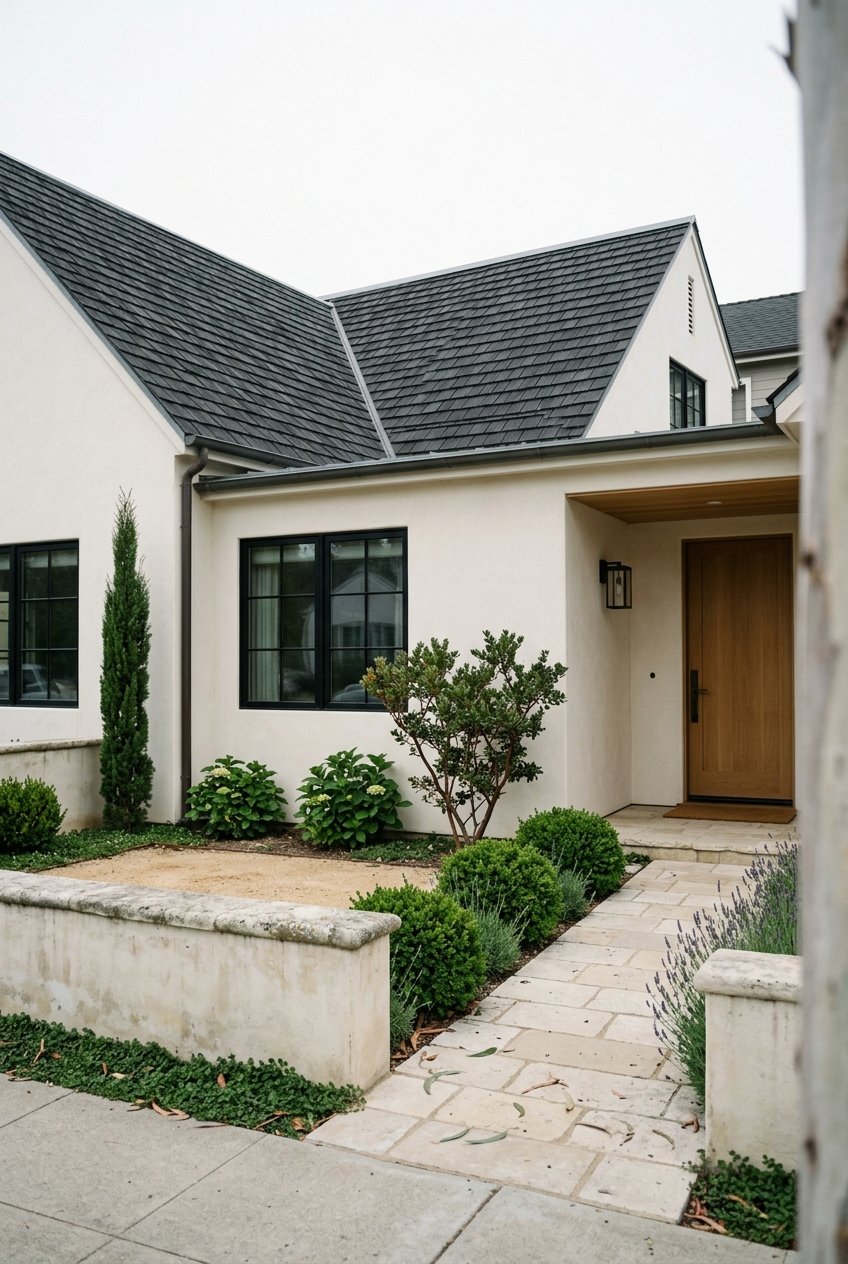
Pacific Grove Or Carmel: How To Choose Your Coastal Fit
May 28, 2026
May 28, 2026
If you are deciding between Pacific Grove and Carmel-by-the-Sea, you are not choosing between a good town and a bad one. You are choosing between two very different versions of coastal life on the Monterey Peninsula. The right fit comes down to how you want your days to feel, what kind of home character you love, and how much design structure you want after you buy. Let’s dive in.
Pacific Grove and Carmel-by-the-Sea are both coastal, walkable, and rich in character, but they offer different rhythms. Pacific Grove blends a historic downtown, a broad shoreline park system, and a residential pattern that ranges from very small historic parcels to larger residential zones. Carmel-by-the-Sea is known for its village identity, forested setting, and a planning approach built around human-scale design and preservation.
In simple terms, Pacific Grove often feels more layered and eclectic. Carmel tends to feel more polished and more tightly shaped by design review and protective ordinances. Neither is better across the board. It depends on whether you are drawn to variety or consistency.
Pacific Grove stands out for its visible history and strong connection to the water. The city has over 1,200 historic buildings identified in an inventory of structures built between 1874 and 1926. Its historic context includes Victorian seaside cottages, Gothic Revival, Queen Anne, Colonial Revival, Craftsman/Bungalow, and Mediterranean Revival homes.
That mix gives many streets a collected-over-time look. If you enjoy neighborhoods where homes can feel distinct from one another, Pacific Grove may speak to you. It has a classic seaside-town atmosphere that feels both historic and lived-in.
The shoreline is also a major part of daily life here. Pacific Grove has 28 formally designated park, open space, and recreation facilities, including Lovers Point, Asilomar State Beach and Conference Grounds, shoreline parks, and the Monterey Peninsula Recreation Trail. Rather than focusing the beach experience in one central area, Pacific Grove spreads coastal access across a broader shoreline network.
Carmel-by-the-Sea offers a more intentionally shaped environment. The city’s historic context identifies Arts and Crafts architecture as a defining local design language, and Hugh Comstock’s Fairy Tale cottages are among its signature home styles. If you are drawn to a storybook village feel, Carmel often delivers that in a very clear way.
Its planning approach also plays a big role in the experience of owning there. The city notes that many exterior changes require review, and its planning materials describe standards such as unclad wood windows with external divided lights. For some buyers, that level of design control is a benefit because it helps preserve a cohesive look and feel.
Carmel’s public spaces also support its village identity. The city highlights Carmel Beach, walking paths, and nine formally designated park, open space, and recreational areas. Mission Trail Nature Preserve is the largest of these spaces and includes about five miles of trails.
One of the clearest differences between Pacific Grove and Carmel is how the built environment feels as you move through it. Pacific Grove’s housing stock is more visibly varied, especially in older neighborhoods. That variety comes from its long development history and wide mix of architectural styles.
Carmel feels more consistent in tone. Its architecture, preservation patterns, and design review process create a more unified visual identity. If you want a town where the overall streetscape feels carefully protected, Carmel may be the stronger fit.
Here is a simple side-by-side view:
| Feature | Pacific Grove | Carmel-by-the-Sea |
|---|---|---|
| General feel | Layered, eclectic, historic seaside town | Curated, village-centered, design-conscious |
| Architecture | Victorian, Queen Anne, Colonial Revival, Craftsman, Mediterranean Revival | Arts and Crafts influence, Fairy Tale cottages, cohesive cottage character |
| Outdoor pattern | Broad shoreline park network | Strong village core plus Carmel Beach and trail areas |
| Design review | Historic context matters, with varied residential fabric | Many exterior changes require review |
| Everyday atmosphere | Openly marine and coastal | More wooded and sheltered in some areas |
If lot pattern matters to you, this is an important part of the decision. In Pacific Grove’s older historic neighborhoods, blocks were originally subdivided into 20 parcels of about 30 by 60 feet. Today, minimum residential lot sizes in the city range from 4,000 square feet in some districts to 6,000, 10,000, and 20,000 square feet in others, with some code exceptions.
That helps explain why Pacific Grove can feel fine-grained in some areas and more spacious in others. You may see a wider range of lot and block patterns depending on where you look. Buyers who want choice across different neighborhood forms often appreciate that.
Carmel also has many compact lots, but the pattern is more consistently controlled. The city notes that about half of parcels in the R-1 district are 4,000-square-foot lots. Its planning FAQ states that a typical 4,000-square-foot lot has a base floor area of 1,800 square feet, uses a sliding scale as lot size increases, and allows a maximum of two stories.
Both towns support walking, but they do it differently. Pacific Grove’s Lighthouse Avenue is described by the city as an iconic historic downtown with restaurants, shops, and local services. The district includes one- to three-story commercial buildings, smaller side-street buildings, a few Victorian cottages, and diagonal parking that adds to its sense of place.
That setup can make Pacific Grove feel like a town with several layers of everyday activity. You may find that your routine includes downtown errands, coffee stops, and regular shoreline walks in the same week without everything feeling centered in one small core.
Carmel’s village core is more compact. City materials emphasize that it has retained village character since 1916, with key civic uses concentrated around Ocean Avenue and nearby blocks. If you want a more concentrated village experience, Carmel may feel more aligned with that preference.
If your ideal coastal life includes frequent water views, bluff walks, and a strong marine presence, Pacific Grove has a very clear appeal. The city’s parks and shoreline pattern create multiple points of public coastal access. This can make the town feel strongly connected to the edge of the water in everyday life.
Carmel’s coastal experience is also powerful, but it is organized differently. Much of the public-facing beach experience centers around Carmel Beach and the surrounding village blocks. For some buyers, that concentration creates a more iconic beach-town feel.
Think of it this way: Pacific Grove often spreads the coast through your routine, while Carmel often frames it around its village and beach focal points. That is a subtle difference, but it matters.
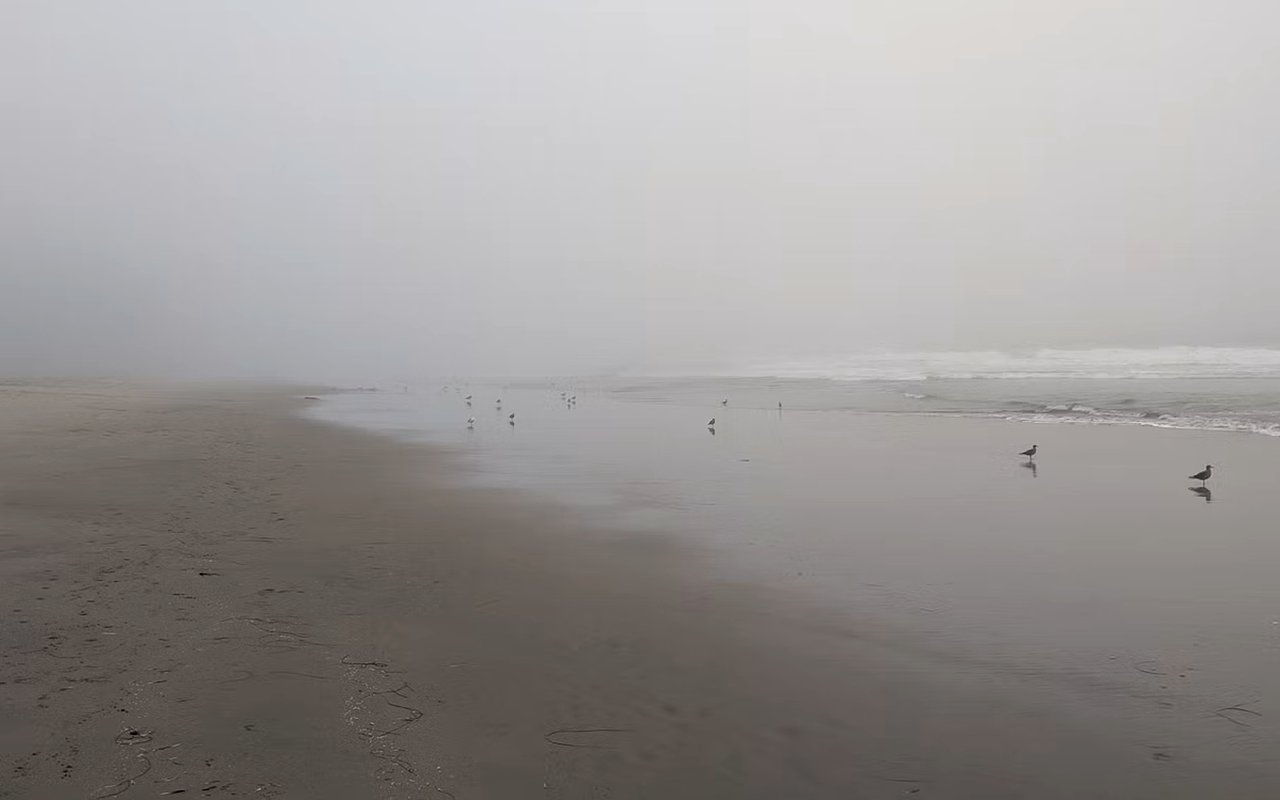
On the Monterey Peninsula, weather is not just a background detail. It affects how your mornings feel, how much natural light you may get, and how a neighborhood reads throughout the day. Pacific Grove’s natural resources chapter describes a coastal Mediterranean climate with moderate temperatures, mild winter rains, cool summers influenced by coastal fog and onshore breezes, and fog that is most common in July, August, and September.
That means Pacific Grove often feels openly marine. If you love misty mornings, ocean air, and a classic fog-kissed coastal setting, that can be part of the appeal. Some buyers find that atmosphere deeply relaxing and very tied to the Peninsula experience.
Carmel’s physical setting is described differently in city materials. Its climate adaptation plan highlights coastline, wooded hills, and a largely forested land base with Monterey pine and coastal chaparral. A careful takeaway is that some parts of Carmel may feel more wooded and topographically sheltered than Pacific Grove.
If you are still unsure, focus less on the name of the town and more on the way you want to live. Pacific Grove may be the better match if you want a classic seaside town, visibly historic streets, and a broad shoreline park network woven into daily life. It may also appeal to you if you like housing variety and a neighborhood fabric that feels collected over time.
Carmel-by-the-Sea may be the better fit if you want a highly defined village identity, stronger architectural controls, and a more curated cottage-and-garden aesthetic. It may also be a strong match if you value consistency in streetscape and a more intentionally preserved design language.
A few questions can help narrow the choice:
When you tour both towns with these questions in mind, the answer often becomes much clearer.
Choosing between Pacific Grove and Carmel is really about choosing your version of Peninsula living. If you want help comparing streets, home styles, and lifestyle patterns with a local perspective, Scherling Properties would be glad to guide you with calm, thoughtful insight.
Stay up to date on the latest real estate trends.
A Look at Carmel Valley Real Estate and Everyday Life.

A Guide to Pebble Beach Golf and the Wider Monterey Peninsula.

An Insider's Guide to the Pebble Beach Concours d'Elegance.
What to Know About Buying Pebble Beach Real Estate.
A Practical Guide to Coastal Home Maintenance on the Monterey Peninsula.
Everything to Know About Driving 17-Mile Drive in Pebble Beach.
Get assistance in determining current property value, crafting a competitive offer, writing and negotiating a contract, and much more. Contact Stacey today.