Living in Carmel-by-the-Sea: A Look at Daily Life
May 21, 2026
May 21, 2026
Some places feel like a destination. Carmel-by-the-Sea feels like a rhythm. If you are wondering what it is actually like to live here, beyond the postcard views, the answer is found in the small, repeated moments: a morning walk on white sand, a stroll through a village-scale downtown, and evenings shaped by local events, arts, and coastal calm. This is the kind of place where daily life feels intentional, and that is exactly what you will get a better sense of here. Let’s dive in.
One of the clearest parts of daily life in Carmel-by-the-Sea is the connection to the shoreline. The city notes that the entire community lies within the coastal zone, and Carmel Beach is one of its defining public spaces. Maintained by city staff and volunteers, the beach is part of everyday life as much as it is part of the scenery.
If you lived here, a morning beach walk would not feel like a special occasion. It would feel normal. That is part of Carmel’s appeal: the natural beauty is not separate from daily living, but woven into it.
The city also highlights nine formal park, open-space, and recreation areas. That means your options for getting outside go beyond the beach itself. Even a short walk through town often feels connected to trees, open sky, and the broader landscape that shapes the village.
Carmel-by-the-Sea has said it has retained its village character and quality of life since its incorporation in 1916. That sense of character is not just branding. It shows up in how the town is planned, how homes relate to the street, and how public life still feels local in scale.
You notice it in the way errands and leisure can blend together. A coffee run can turn into a walk past galleries or civic spaces. An afternoon outing can stay simple, because the setting itself does a lot of the work.
The city’s community pages point to a Thursday farmers market, library programs, bingo, and the Homecrafters’ Marketplace among recurring activities. That mix tells you something important. Life here is not only scenic. It is also community-oriented, with regular events that create an easy, familiar social rhythm.
Carmel has long been associated with the arts, and the city’s public information supports that reputation in a concrete way. Its art collection includes more than 900 works, giving the community a strong civic arts presence. In practical terms, that means creativity is not tucked away in a single venue or reserved for major occasions.
If you are drawn to places with personality, this matters. The visual identity of Carmel is shaped not just by the coast and architecture, but also by a long-standing cultural layer that helps the town feel distinctive.
That is part of what makes a day here feel full without needing a packed schedule. You can move from beach to village to art-influenced public spaces in a way that feels natural and unforced.
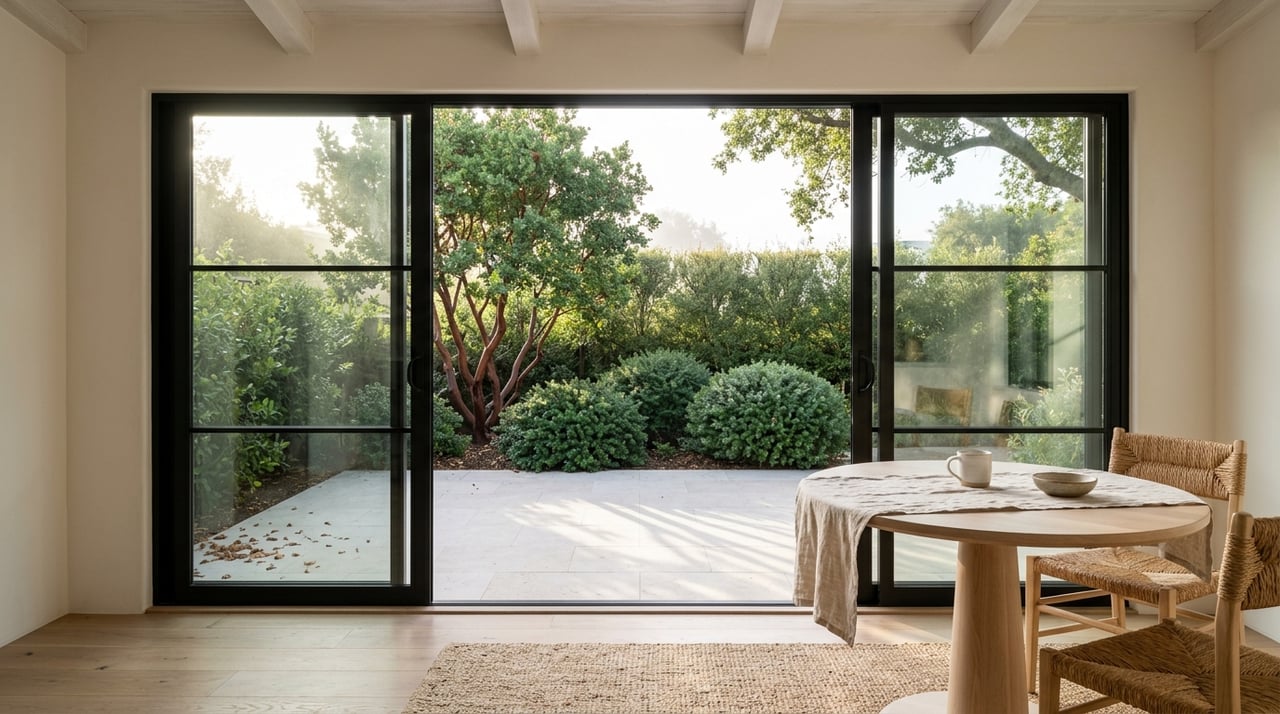
To understand what living in Carmel-by-the-Sea feels like, it helps to look at the homes themselves. The city’s historic context statement shows a housing stock that is deeply tied to design, scale, and setting. Many early homes were one-story cottages with hipped roofs and simple, compact forms, often with details like Dutch doors, Carmel stone, and detached garages placed close to the street.
That design history still shapes the feeling of the town today. Homes tend to relate closely to the landscape rather than dominate it. The result is a more intimate streetscape, where architecture often feels nestled into its setting.
Craftsman homes are another important part of Carmel’s identity. The city describes them as low-pitched and informal, with visible wood, brick, and stone and a close relationship to the natural surroundings. That emphasis on honest materials and human scale helps explain why so many streets feel warm and grounded.
It is easy to assume Carmel is all cottages, but the city’s records show a much broader architectural mix. In the 1920s and 1930s, larger homes appeared in English or Tudor, Cotswold, Spanish, Italian, French, and American Colonial revival styles. The well-known storybook reputation is tied in part to Hugh Comstock’s fairy-tale cottages and the Tuck Box.
At the same time, the city’s design materials make it clear that Craftsman Cottage and Bungalow forms have been especially prevalent historically. Mission Revival, Monterey Colonial, and other revival styles are also part of the local tradition. In other words, Carmel has variety, but not chaos.
The common thread is consistency in scale, natural materials, and the relationship between house, street, and landscape. That is why walking through different parts of town can feel visually interesting while still feeling cohesive.
Carmel’s appeal is not accidental. The city’s planning framework helps preserve the qualities people notice right away. Most exterior alterations require some level of Design Study review, and more substantial changes may go to the Planning Commission.
For historic resources, review may also involve the Historic Resources Board and consistency with the Secretary of the Interior’s Standards. The city’s residential design guidance emphasizes a human-scale, forest-oriented approach that is sensitive to neighboring properties. This gives you a practical explanation for why the built environment feels so carefully maintained.
The city’s General Plan also says preservation of residential character is central to land-use decisions. If you are considering buying here, that matters. It means the charm you see today is supported by an ongoing effort to protect village scale and neighborhood compatibility.
Living in Carmel-by-the-Sea comes at a premium, and current market data places the area firmly in the luxury segment. As of March 2026, Realtor.com reported 21 for-sale properties, a median list price of $4.19 million, median days on market of 49, and a median price per square foot of about $2.4K. Redfin reported a March 2026 median sale price of $4.4 million, with homes selling in about 11 days, while Zillow’s February 2026 data showed an average home value of $2,325,094 and a median time to pending of 53 days.
These numbers measure different parts of the market, so they are best read as context rather than a single fixed price point. Broadly speaking, Carmel offers rare lower-end opportunities in the mid-$2 million range, a core village band around $3 million to $5 million, and prime downtown or Carmel Point properties in the upper $7 million range.
That range reflects just how nuanced this market can be. Two homes may both be in Carmel-by-the-Sea, but their value can differ meaningfully based on location, style, setting, and proximity to village or coastal amenities.
If you are thinking about buying in Carmel, lifestyle and property choices are closely linked. You are not simply choosing square footage or a bedroom count. You are choosing whether your mornings revolve around the beach, whether you want to be closer to the village core, and how much architectural character matters to you.
You are also buying into a town with strong design oversight and a clear sense of place. For some buyers, that is a major draw because it helps protect the qualities that make Carmel feel special. For others, it is important to understand early, especially if future remodeling is part of your plan.
Because inventory is limited and pricing can vary widely by micro-location, local guidance becomes especially valuable here. Carmel is a market where context matters just as much as comps.
If you own a home in Carmel-by-the-Sea, the lifestyle story is part of your property’s value. Buyers are often responding to more than finishes or floor plans. They are also responding to the feeling of village living, architectural character, and the blend of coast, culture, and community that shapes daily life.
That means presentation matters. A well-positioned Carmel home should help buyers imagine not just owning the property, but stepping into the rhythm of the place itself.
In a market with distinctive homes and a strong emotional pull, thoughtful marketing and local positioning can make a meaningful difference. The goal is to show how your home fits into the wider Carmel experience.
What living in Carmel-by-the-Sea feels like is surprisingly simple to describe once you strip away the hype. It feels walkable, coastal, artful, and closely protected. It feels like a place where the setting shapes your routine, and where the town’s scale encourages a more grounded pace.
That does not mean every day is quiet or every home looks the same. It means there is a strong underlying identity that ties the experience together. From the beach and parks to the architecture and local events, Carmel offers a lifestyle that feels both curated and deeply lived in.
If that kind of daily rhythm is what you are looking for, Carmel-by-the-Sea is worth understanding block by block and home by home. When you are ready to explore your options, Scherling Properties can help you navigate Carmel and the Monterey Peninsula with local insight and thoughtful guidance.
Stay up to date on the latest real estate trends.
A Look at Carmel Valley Real Estate and Everyday Life.

A Guide to Pebble Beach Golf and the Wider Monterey Peninsula.

An Insider's Guide to the Pebble Beach Concours d'Elegance.
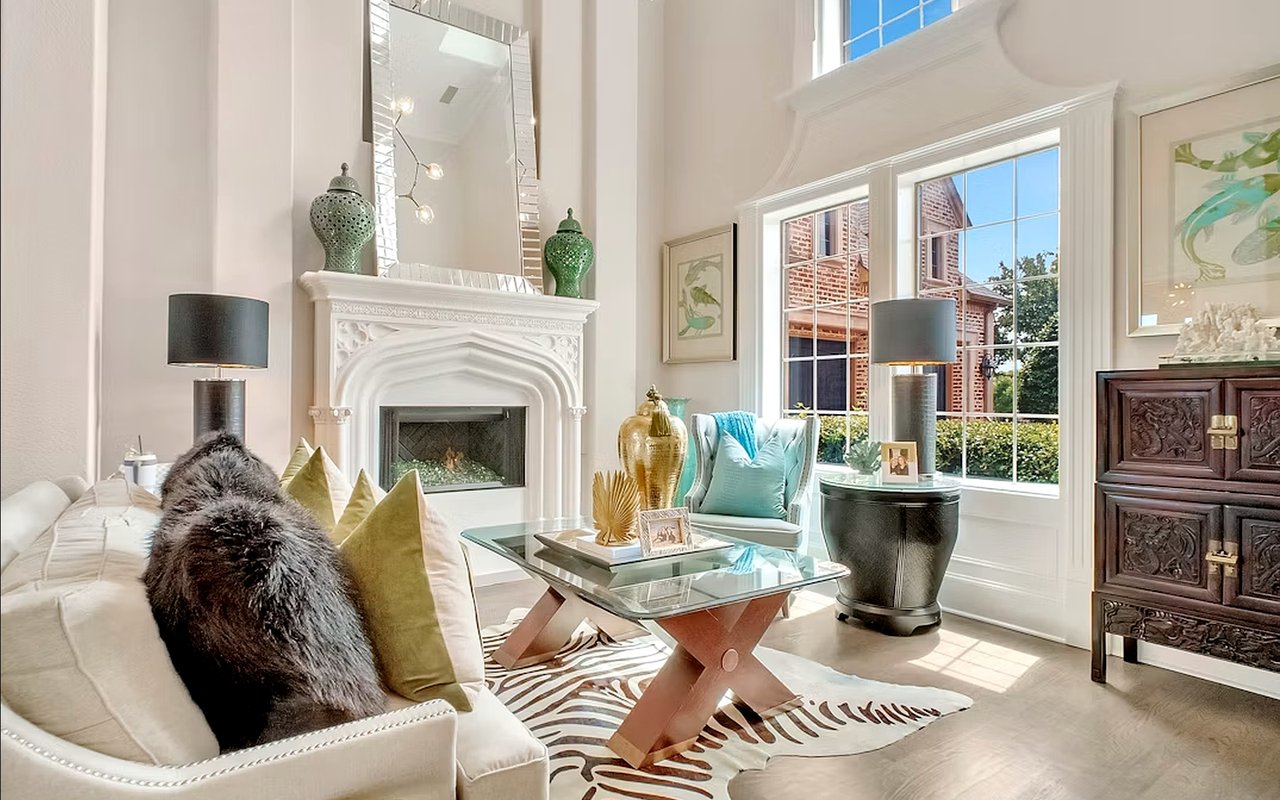
What to Know About Buying Pebble Beach Real Estate.
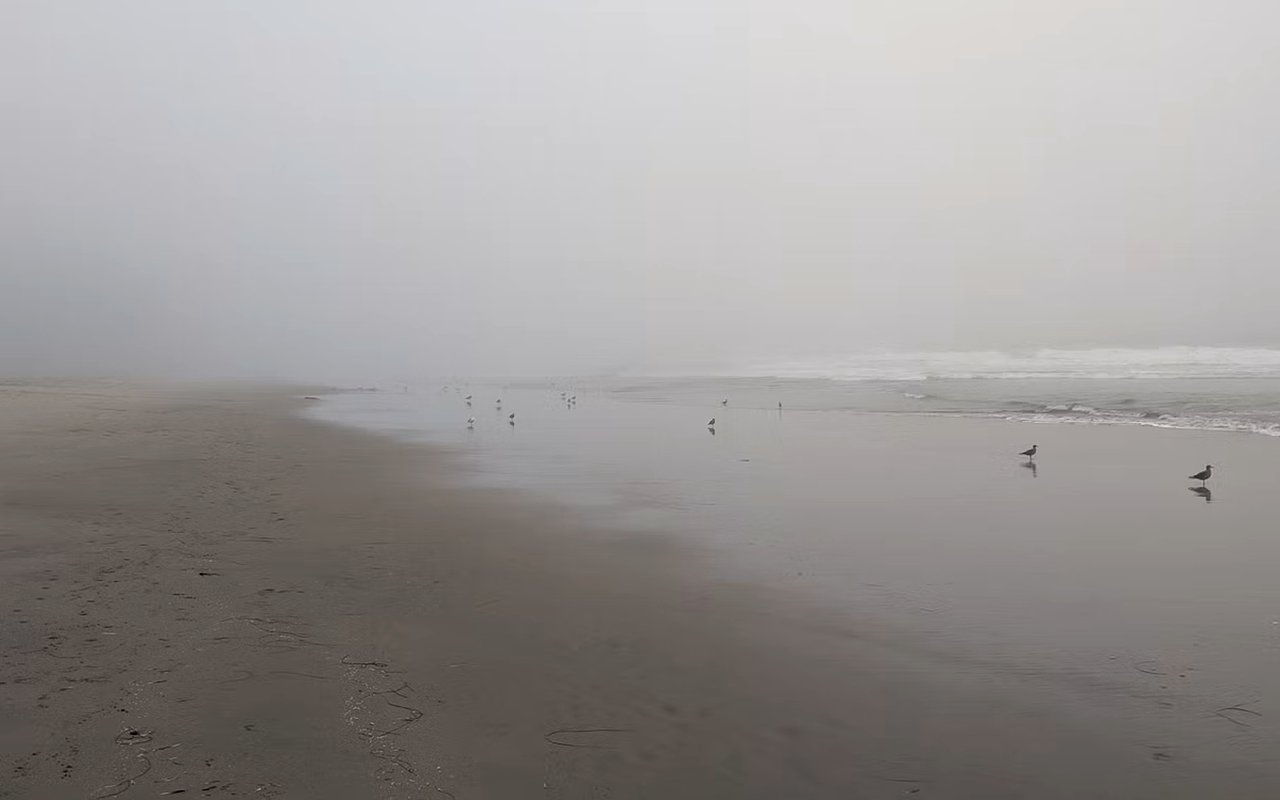
A Practical Guide to Coastal Home Maintenance on the Monterey Peninsula.
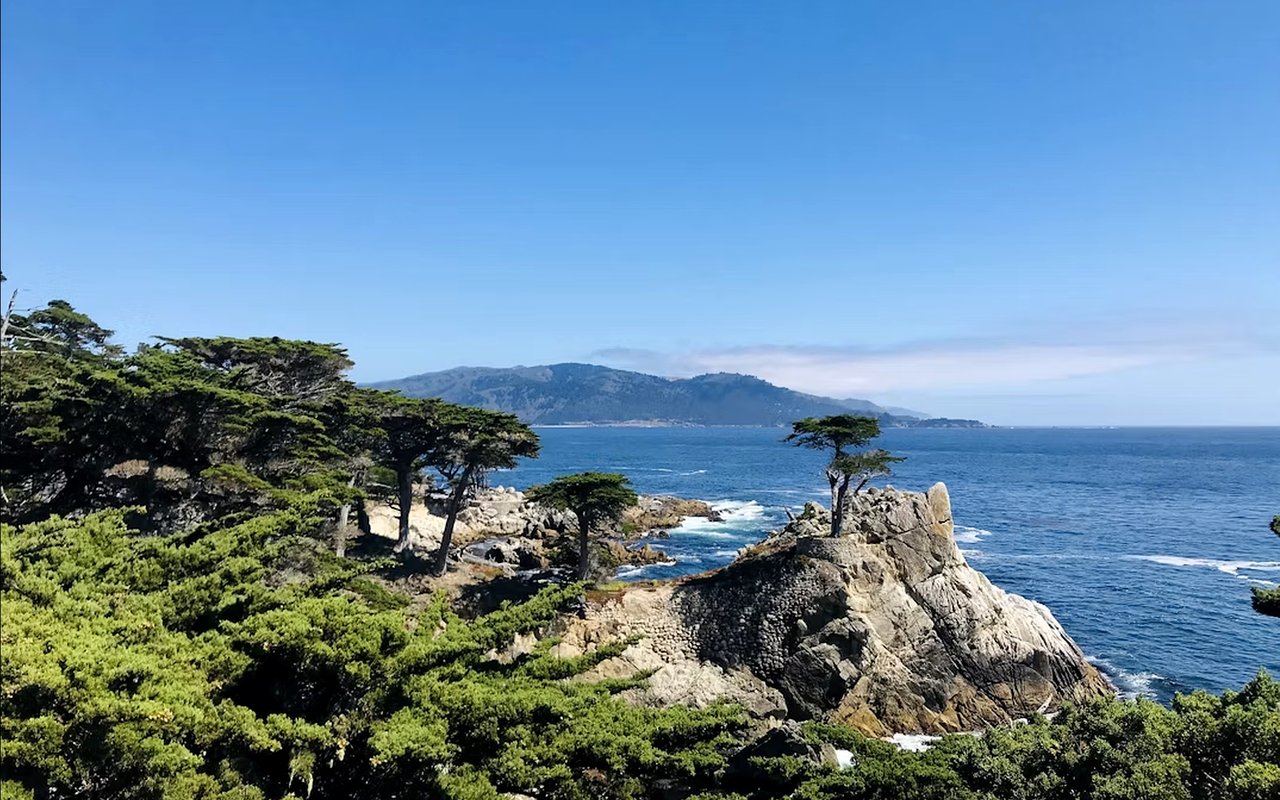
Everything to Know About Driving 17-Mile Drive in Pebble Beach.
Get assistance in determining current property value, crafting a competitive offer, writing and negotiating a contract, and much more. Contact Stacey today.