By Stacey Scherling
Carmel-by-the-Sea has one of the most recognizable residential architectures in California. The storybook cottages designed by Hugh Comstock in the 1920s and 1930s, the Arts and Crafts bungalows, the Tudor Revival stone homes, the Spanish Colonial adobes — the village's streets read like a living catalog of early-20th-century craft and vision. When you buy a historic home here, you're acquiring something genuinely irreplaceable. Knowing how to approach its interior design is what separates a thoughtful renovation from one that quietly erodes the very character that made the home worth buying.
Key Takeaways
-
Carmel's historic homes span several distinct architectural styles, each with defining interior features worth understanding before you renovate
-
The goal of historic home interior design is to identify what gives a space its character — and build around it rather than over it
-
Modern comfort and historic integrity are not in conflict when approached deliberately
-
Working with builders and designers experienced in Carmel's specific architecture makes a significant difference in outcome
-
Small material choices — flooring, hardware, paint, fixtures — carry disproportionate weight in a historic interior
Understanding Carmel's Historic Architectural Styles
Before any design decision, it's worth knowing what you're working with. Carmel's residential architecture draws from several distinct traditions, and the interior design vocabulary appropriate for each one differs.
The major styles you'll encounter in Carmel's historic housing stock:
-
Storybook/Fairy Tale cottages: Associated primarily with Hugh Comstock, these homes from the 1920s and 1930s feature irregular rooflines, hand-hewn timber, hand-carved details, stone chimneys, and curved archways. Interiors often include open beam ceilings, plaster walls, and small-scale rooms. The design instinct here is warmth and craftsmanship — not grandeur
-
Arts and Crafts bungalows: Emphasizing natural materials and honest construction, these homes showcase exposed wood beams, built-in cabinetry, brick or stone fireplaces, and a connection to the garden and landscape. The palette tends toward earthy tones — deep greens, warm browns, muted golds
-
Spanish Colonial and Mediterranean Revival: Defined by red tile roofs, stucco exteriors, arched doorways, and clay tile floors. Interiors often feature wrought iron hardware, carved wood accents, and a sensibility that blurs the line between inside and outside
-
Tudor Revival: Less common in Carmel but present, these homes carry steeply pitched rooflines, brick detailing, half-timbering, and interiors rich in dark wood and stone
What to Preserve and What to Update
The most common mistake in historic home renovations is treating original features as obstacles to modern living rather than as assets to build around. The character-defining elements of a Carmel cottage — its open beam ceiling, its stone fireplace, its original hardwood floors, its arched doorways — are precisely what create value, both emotionally and financially.
Elements worth protecting in almost every case:
-
Exposed wood beams: Refinishing rather than replacing maintains the original material while refreshing the appearance. Sanding, restaining, and sealing beams can transform a space without losing the authenticity of the original wood
-
Stone and brick fireplaces: These are architectural anchors. Even when surrounding walls are updated with cleaner finishes and simpler materials, keeping the original fireplace structure intact preserves the room's focal point and historic character
-
Original hardwood floors: Refinishing existing floors is almost always preferable to replacement. The patina and grain of old-growth wood found in Carmel's early homes cannot be replicated with new material
-
Built-in cabinetry and millwork: Well-crafted built-ins from the 1920s and 1930s represent a level of joinery rarely found in modern construction. Where they are structurally sound, restoring and repainting them is far more valuable than removal
-
Original windows and doors: Period-appropriate windows, particularly in Comstock-influenced homes, carry proportions and profiles that contribute to the home's overall character. Where single-pane glass creates energy efficiency concerns, interior storm inserts can be added without altering the exterior appearance
Integrating Modern Comfort Thoughtfully
A historic home does not have to feel like a period museum. The most successful renovations in Carmel are those that update kitchens, bathrooms, heating, and lighting in ways that feel compatible with the home's character rather than in conflict with it.
Practical approaches to modernization:
-
Kitchen updates: Choose natural stone countertops, simple shaker-style or flat-panel cabinetry in period-appropriate colors, and a farmhouse or apron sink. Avoid high-gloss contemporary finishes that read as out of place against plaster walls and timber ceilings
-
Bathroom updates: Hexagonal tile floors, marble countertops, and brushed brass or unlacquered bronze fixtures read as both historically grounded and current. Avoid trendy finishes that may date quickly
-
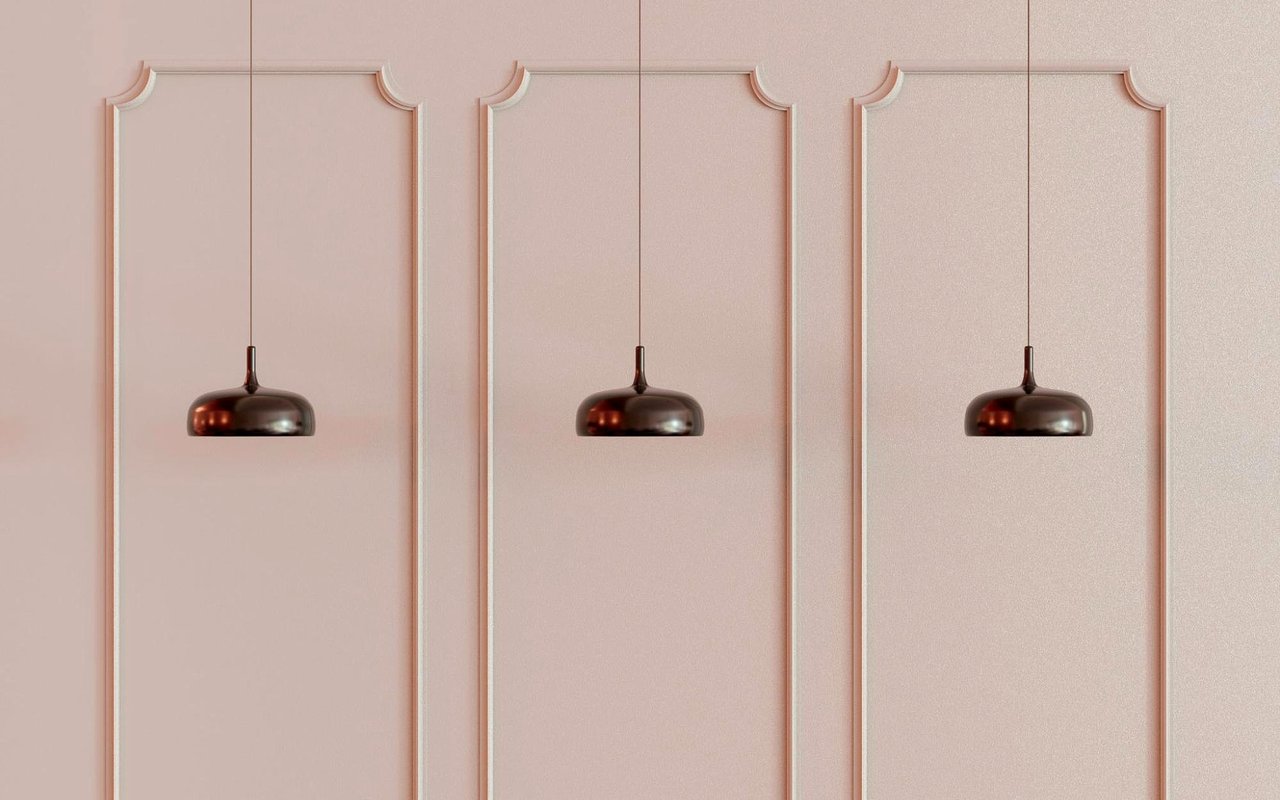
Lighting: Pendant lighting and wall sconces in brass, iron, or aged bronze complement most Carmel historic interiors far better than chrome or stainless. Recessed lighting, when needed for task purposes, should be used sparingly to preserve ceiling character
-
Heating and mechanical systems: Small-duct HVAC systems can be routed without the disruptive ductwork typical of standard systems, making it possible to heat and cool a historic home without compromising plaster walls or ceiling lines
-
Paint colors: Soft, muted tones — sage greens, warm whites, dusty blues, stone grays — tend to complement Carmel's historic interiors far more naturally than bright or stark modern palettes
Working Within Carmel's Design Review Process
Carmel-by-the-Sea has an active Historic Resources Board and a design review process that governs exterior changes to homes identified as historically significant. Interior renovations are generally subject to fewer restrictions, but structural changes and exterior alterations require careful navigation. Working with a builder or architect experienced in Carmel's specific review process is not optional — it's a practical necessity for any meaningful renovation project.
FAQ
How do I know which features of my Carmel cottage are worth preserving?
Start by identifying what drew you to the home in the first place. The features that gave the home its character when you walked through it are almost always the ones worth protecting. A designer or architect experienced in Carmel's historic architecture can help you distinguish original elements from later alterations and assess which are in good enough condition to restore rather than replace.
Can I open up the floor plan of a historic Carmel home without damaging its character?
In some cases, yes — but this requires careful evaluation of both the structural and aesthetic implications. Many historic Carmel cottages derive their character partly from their intimate, room-by-room scale. Selective removal of non-load-bearing walls can improve flow without compromising the home's overall proportions, but a structural engineer and an architect should be involved before any walls come down.
What materials age best in Carmel's coastal climate?
Natural materials tend to hold up and look better over time in Carmel's moist, salt-influenced coastal environment. Cedar, redwood, copper, stone, and clay tile all develop a patina that complements the village's aesthetic. Engineered hardwood performs well under Carmel's humidity conditions. High-gloss synthetics and chrome finishes tend to show wear more quickly and can feel out of place in a historic interior.
Buy or Sell a Historic Home in Carmel With the Right Guide
Historic homes in Carmel-by-the-Sea require a buyer and an agent who understand what they're working with. I know this market and these properties well, and I help clients think through the full picture of ownership — including what a home's design character means for its long-term value. Reach out to me to
learn more about buying and selling historic homes in Carmel-by-the-Sea — and let's find the right property for you.