
A Guide to Homeowners Insurance Coverage in Carmel
Scherling Properties April 22, 2026
Scherling Properties April 22, 2026
Homeowners insurance across Carmel-by-the-Sea, Pebble Beach, and the Monterey Peninsula bundles dwelling structure, personal belongings, loss of use, and liability protection into a standard package policy. However, standard California policies strictly exclude earthquake, flood, landslide, and mudslide coverage. Due to elevated FireLine scores and California insurance market shifts, obtaining fire coverage may require a California FAIR Plan policy paired with a Difference in Conditions (DIC) policy.
Insuring a home in Carmel, Pebble Beach, or Carmel Valley requires verifying replacement costs and FireLine ratings before closing.
Coverage Type | Policy Status | Protection Details & Provisions | Monterey Peninsula Consideration |
|---|---|---|---|
Dwelling Structure | Included in Standard | Repairs walls, roof, foundation, and built-in systems | Rebuild costs in Carmel often exceed assessed market value |
Earthquake Protection | Excluded (Separate Policy) | Available via CEA or private insurers; minimum 15% deductible for $1M+ homes | Essential for seismic active zones along the Central Coast |
Flood & Surface Water | Excluded (Separate Policy) | Purchased separately through National Flood Insurance Program (NFIP) | Crucial for low-lying coastal and canyon atmospheric river events |
High Fire-Risk (FireLine) | Variable / Conditional | California FAIR Plan (basic fire) + DIC policy for liability and theft | Applies to properties near Jacks Peak or open space corridors |
By Stacey Scherling
Buying a home in Carmel-by-the-Sea, Pebble Beach, or anywhere on the Monterey Peninsula is a major financial milestone. A standard homeowners policy operates as a package policy bundling structural, personal property, and liability protections into a single agreement.
For luxury estates throughout Carmel, Pebble Beach, and Carmel Valley, standard personal property caps are often insufficient. Property owners should arrange scheduled endorsement riders for fine art, jewelry collections, wine cellars, and rare antiques.
Understanding environmental exclusions prevents unexpected out-of-pocket costs during a claim event.
Underwriting guidelines in California have shifted dramatically. Insurance carriers evaluate properties using FireLine scores, which evaluate surrounding fuel vegetation, land slope, and municipal fire department access routes. Homes located in wooded pockets such as Jacks Peak or bordering open wilderness corridors often receive high FireLine ratings, restricting standard policy options.
Determining proper coverage limits requires distinguishing real estate market value from physical reconstruction costs. Market values on the Monterey Peninsula reflect prime land value and coastal location. Reconstruction costs reflect specialized architectural craftsmanship, custom materials, and regional labor demands. Ensuring dwelling coverage covers true replacement cost guarantees full recovery after a major loss event.
Stacey Scherling | Scherling Properties
Specializing in coastal real estate transactions across Carmel-by-the-Sea, Pebble Beach, and the Monterey Peninsula. Stacey Scherling offers comprehensive guidance on local market dynamics, property diligence, and navigating insurance prerequisites prior to escrow closing.
Yes, standard policies cover fire damage if a mainstream carrier writes the policy. If traditional insurers decline coverage due to high FireLine scores, property owners can secure basic fire coverage through the California FAIR Plan and supplement it with a DIC policy for complete coverage.
Given the active fault lines across the Central Coast, going without earthquake coverage leaves structural repairs entirely out-of-pocket. For high-equity properties, evaluating CEA or private seismic policies with tailored deductibles protects real estate assets against major loss.
Yes. Insurance companies periodically alter regional underwriting risk profiles and may issue non-renewal notices in elevated fire risk zones. Property owners should review policy standings annually alongside a broker monitoring state insurance market updates.
Sources: Official guidance from the California Department of Insurance, California Earthquake Authority (CEA), National Flood Insurance Program (NFIP), and California FAIR Plan underwriting guidelines.
Stay up to date on the latest real estate trends.


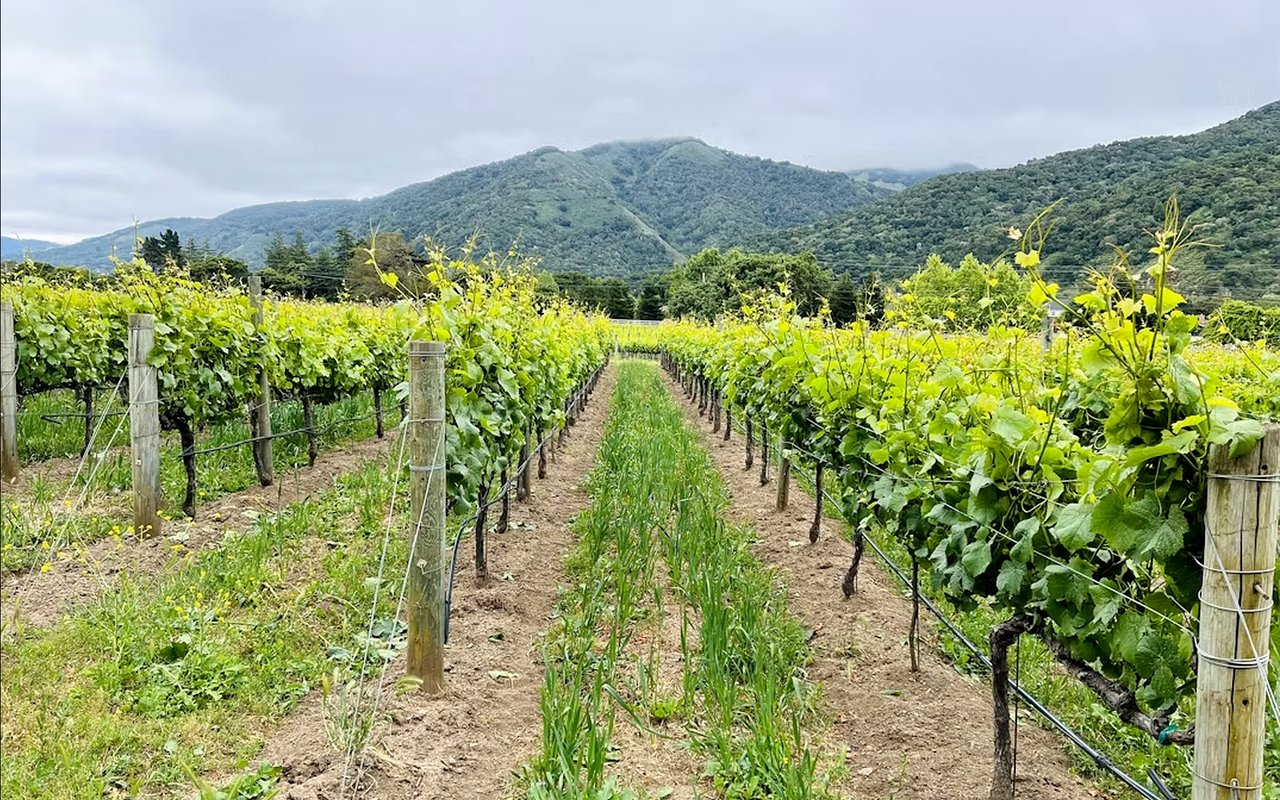
A Look at Carmel Valley Real Estate and Everyday Life.

A Guide to Pebble Beach Golf and the Wider Monterey Peninsula.

An Insider's Guide to the Pebble Beach Concours d'Elegance.

What to Know About Buying Pebble Beach Real Estate.
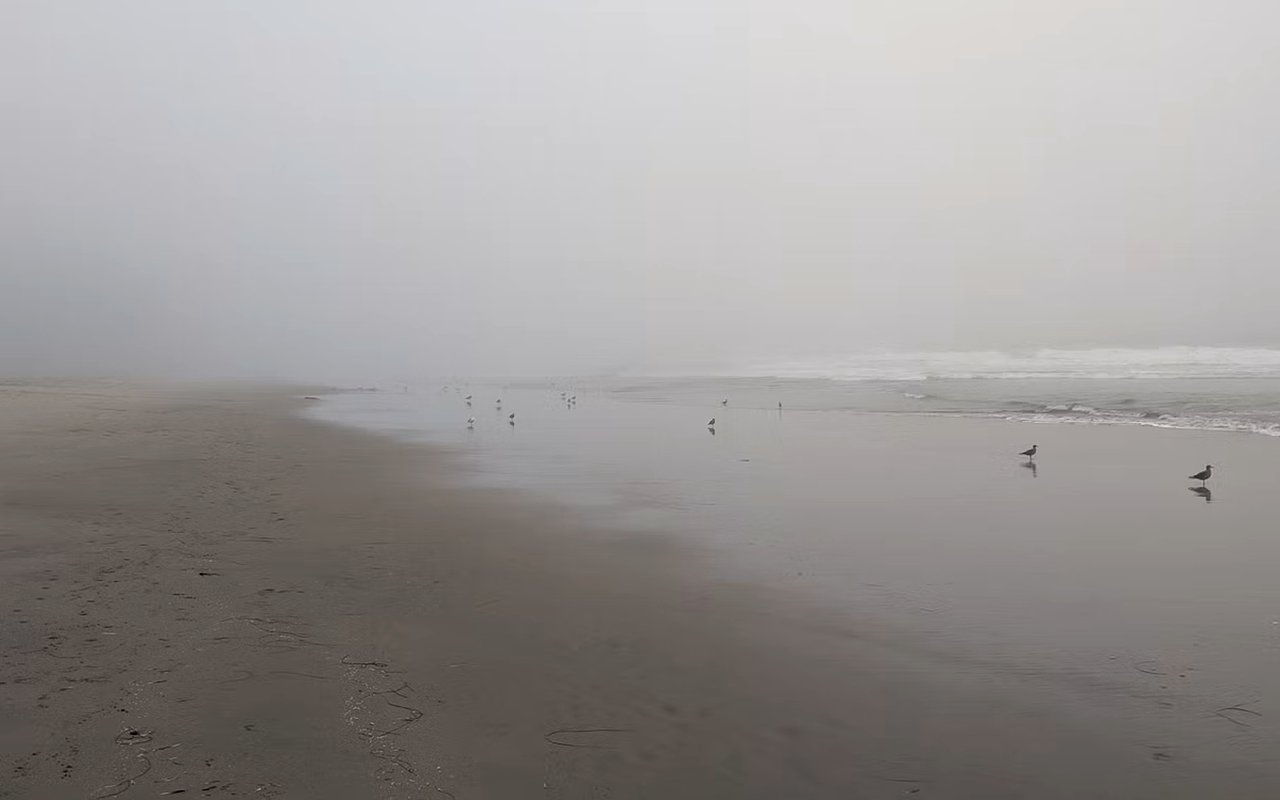
A Practical Guide to Coastal Home Maintenance on the Monterey Peninsula.

Everything to Know About Driving 17-Mile Drive in Pebble Beach.

Get assistance in determining current property value, crafting a competitive offer, writing and negotiating a contract, and much more. Contact Stacey today.